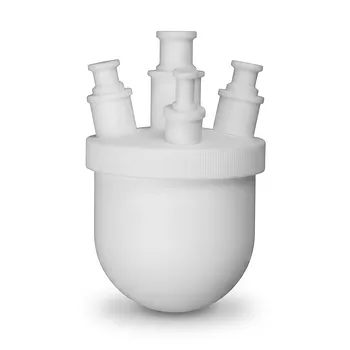
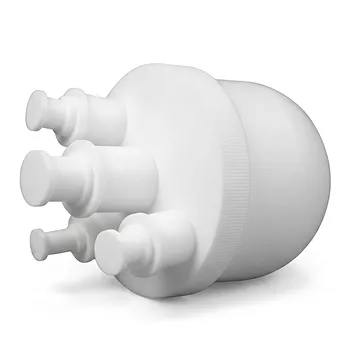
Hydrothermal synthesis reactors are essential for creating high-purity nanostructures that drive modern advances in pollutant degradation and high-sensitivity sensing. By leveraging high-pressure aqueous environments, these reactors produce materials with exceptional surface areas and structural uniformity that are often unattainable through conventional high-temperature methods.
Hydrothermal synthesis provides a controlled, closed-system environment that accelerates chemical kinetics to produce high-performance nanomaterials. This approach yields superior catalysts for environmental cleanup and more responsive sensors by enabling precise control over crystal morphology and dopant integration.
Enhancing Environmental Remediation Efficiency
High-Surface-Area Nanostructures
Hydrothermal reactors facilitate the growth of high-surface-area nanostructures, such as TiO2-based photocatalysts. These structures provide more active sites for chemical interactions, which directly translates to significantly higher pollutant degradation efficiencies.
Accelerated Reaction Kinetics
The closed, high-pressure conditions within the reactor significantly speed up the kinetics for dissolution and oxidation. This allows for the rapid breakdown of contaminants that would otherwise remain stable under ambient conditions.
Material Stability and Dispersibility
Nanomaterials produced via this method exhibit excellent dispersibility and stability in aqueous environments. This ensures that photocatalysts remain effective throughout the remediation process without prematurely aggregating or losing their active surface area.
Advancing Sensor Fabrication and Sensitivity
One-Pot Dopant Incorporation
Hydrothermal synthesis allows for the one-pot incorporation of dopants during the growth phase of metal-oxide gas sensors. This seamless integration is critical for enhancing sensor sensitivity and reducing response times to target chemicals.
Access to Metastable Phases
These reactors enable the synthesis of metastable phases and unique crystal habits that cannot be achieved through traditional high-temperature routes. These unique structures often possess superior electronic properties that are ideal for high-precision sensing applications.
High Purity through Sealed Environments
Because the process occurs within a sealed, high-pressure vessel, the risk of external contamination is virtually eliminated. This results in high product purity and uniformity, which are essential for the repeatable performance required in industrial-grade sensors.
Understanding the Trade-offs
Pressure and Safety Constraints
Operating at high pressures requires specialized autoclave equipment and rigorous safety protocols to prevent vessel failure. These requirements can increase the initial capital expenditure and complexity of the synthesis setup compared to open-air methods.
Scalability and Batch Processing
Most hydrothermal synthesis is performed in batch processes, which can limit high-volume throughput compared to continuous flow methods. While effective for specialized materials, scaling to industrial volumes requires careful engineering of larger, high-pressure infrastructure.
Solvent Limitations
While using water as a primary solvent is environmentally friendly, it limits the process to water-soluble or water-reactive precursors. Some specialized materials may require surfactants or co-solvents that complicate the waste stream or alter the final material properties.
How to Apply This to Your Project
To maximize the benefits of hydrothermal synthesis, align your reactor parameters with your specific performance targets:
- If your primary focus is Environmental Remediation: Prioritize the synthesis of TiO2 or similar metal-oxides with high surface-to-volume ratios to maximize the rate of photocatalytic pollutant breakdown.
- If your primary focus is Sensor Fabrication: Focus on one-pot doping and the manipulation of crystal habits to optimize the electronic response and selectivity of your gas or chemical sensors.
- If your primary focus is Sustainability: Leverage the closed-system nature of the reactor to minimize reagent loss and eliminate volatile organic emissions by using water as your primary solvent.
By mastering the high-pressure dynamics of hydrothermal synthesis, you can engineer the next generation of materials required for a cleaner and more connected world.
Summary Table:
| Application | Key Benefit | Resulting Impact |
|---|---|---|
| Environmental Remediation | High-Surface-Area Nanostructures | Significantly higher pollutant degradation efficiency |
| Sensor Fabrication | One-Pot Dopant Incorporation | Enhanced sensitivity and faster chemical response times |
| Material Synthesis | Closed-System Environment | Superior product purity and access to metastable phases |
| Sustainability | Aqueous Solvent Usage | Eco-friendly processing with minimal reagent loss |
Elevate Your Research with Precision-Engineered Fluoropolymers
To achieve the high purity and structural uniformity required in hydrothermal synthesis, your laboratory equipment must meet the highest standards of chemical resistance and thermal stability. KINTEK specializes in manufacturing an exhaustive range of high-performance labware crafted exclusively from PTFE and PFA.
From essential hydrothermal synthesis liners and microwave digestion vessels to complex custom CNC-machined parts, we provide the critical components your research demands. Whether you need everyday basic labware (beakers, crucibles, reagent bottles) or advanced reaction apparatus like electrochemical cells and fluid transfer components, KINTEK is your partner for both bespoke laboratory setups and high-volume orders.
Ready to optimize your synthesis process? Contact us today to discuss your custom requirements!
Related Products
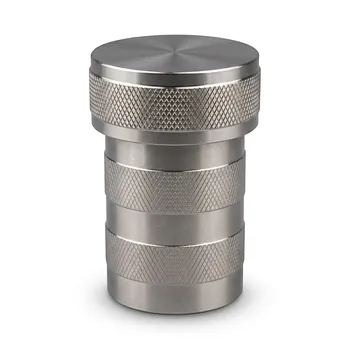
- High Temperature Corrosion Resistant Hydrothermal Synthesis Reactor with TFM Inner Liner and Straight Cylinder Design
- PTFE Lined High Pressure Digestion Vessel 50ml High Temperature Hydrothermal Synthesis Tank
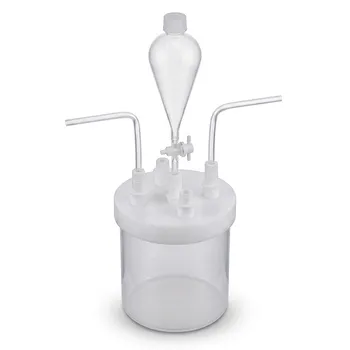
- Custom PTFE Reaction System with Hose Barb Fittings Corrosion Resistant High Sealing 2L 4L Lab Reactor with Separatory Funnel
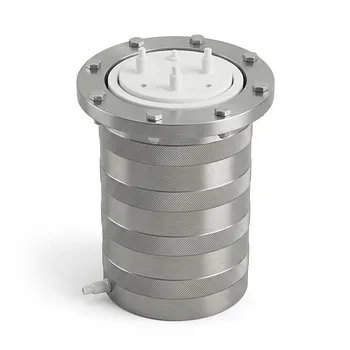
- High Pressure Custom TFM Reactor Stainless Steel Outer Vessel PTFE Inner Cup for Corrosive Synthesis
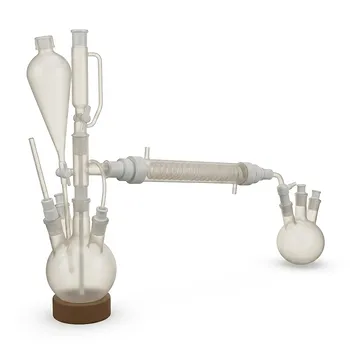
- High Purity PFA Reaction Vessel for Biopharmaceutical Synthesis and Corrosive Chemical Fluid Handling with Customizable Tube Fittings
People Also Ask
- What is the role of a corrosion-resistant reactor in the synthesis of lignin-based carbon dots? Ensure Maximum Purity
- What are the technical advantages of using hydrothermal synthesis reactors for advanced electronic & optical nanomaterials?
- How does a hydrothermal synthesis reactor facilitate the production of crystalline materials with tailored morphologies? Precision Crystal Growth
- Why is the sealing reliability of a hydrothermal synthesis reactor critical for 24-hour cycles? Ensure Nano-Precision
- What role do hydrothermal synthesis reactors play in CQD preparation? Achieve High-Purity Nanomaterial Synthesis