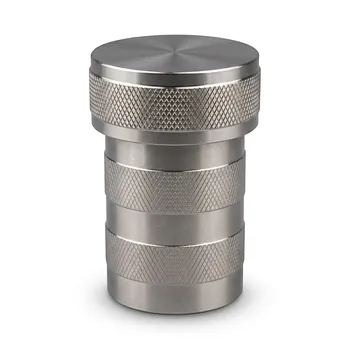
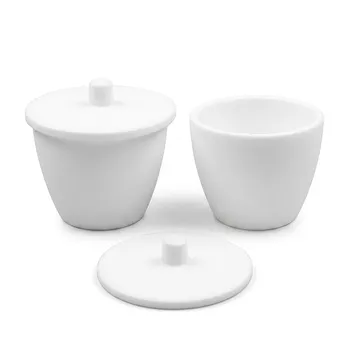
Stainless steel Teflon-lined hydrothermal autoclaves serve as the essential reaction vessels for fabricating high-performance carbon dot and carbon cloth composites. These devices create a controlled, high-pressure, and high-temperature environment that facilitates the in-situ growth of carbon dots directly onto the fibers of the carbon cloth. By combining the mechanical strength of a steel shell with the chemical resistance of a Polytetrafluoroethylene (PTFE) liner, these autoclaves enable complex chemical transformations like carbonization and heteroatom doping while maintaining extreme material purity.
The technical advantage of this system lies in its dual-component design: the stainless steel shell provides the structural integrity to withstand high autogenous pressures, while the PTFE liner ensures a chemically inert environment that prevents metal contamination and resists corrosive precursors.
Chemical Inertness and Material Purity
Protection Against Corrosive Precursors
The growth of carbon dots often requires aggressive reagents such as potassium hydroxide (KOH), thiourea, or ammonia solutions. The PTFE liner is exceptionally stable and prevents these corrosive precursors from attacking the stainless steel outer shell.
Prevention of Metal Ion Contamination
Maintaining the electrochemical integrity of carbon dot composites is critical for sensor applications. The liner acts as a barrier that prevents metal ions from the steel casing from leaching into the reaction medium, ensuring the final composite remains high-purity.
Facilitating Heteroatom Doping
A sealed environment allows for the effective doping of nitrogen and sulfur into the carbon dot structure. The chemical resistance of the liner ensures that these dopants react with the carbon precursor rather than the vessel walls.
Pressure Management and Structural Integrity
Creating Subcritical Conditions
The stainless steel sleeve provides the necessary mechanical strength to maintain high internal pressures during prolonged heating. These subcritical conditions are vital for the dehydration, polymerization, and carbonization of cellulose-based precursors.
Uniform In-Situ Nucleation
High pressure within the autoclave forces the precursors into the microscopic pores of the carbon cloth. This leads to uniform nucleation and ensures that the carbon dots grow tightly and securely on the carbon fiber surface.
Thermal Stability up to 220°C
The combination of materials allows the hydrothermal process to operate safely at temperatures reaching 220°C. This thermal range is necessary for the thorough molecular rearrangement required to form regular morphologies and high specific surface areas.
Practical Processing Advantages
Ease of Product Collection
PTFE is known for its non-stick, smooth surface properties. This allows researchers to easily remove the carbon cloth composite after the reaction without damaging the delicate in-situ growth.
Simplified Maintenance and Cleaning
Because the reaction precursors do not adhere to the PTFE walls, the cleaning process is significantly simplified. This prevents cross-contamination between different synthesis batches, which is essential for consistent experimental results.
Understanding the Trade-offs and Limitations
Temperature Ceiling Constraints
While PTFE is thermally stable, it has a hard limit typically around 220°C to 250°C. Exceeding these temperatures can cause the liner to soften or deform, potentially leading to a "pinch" that makes the liner impossible to remove from the steel sleeve.
Pressure and Filling Ratios
Users must be cautious with the filling ratio of the liquid precursors (typically 60-80% of total volume). Overfilling the liner can lead to excessive pressure buildup that exceeds the safety limits of the stainless steel shell, posing a significant laboratory hazard.
Cooling Rate Sensitivity
Rapid cooling of the autoclave can cause the PTFE liner and the steel shell to contract at different rates. This differential contraction can lead to mechanical stress or cracking of the liner, potentially compromising its inert properties for future use.
How to Apply This to Your Project
Implementation Strategy
The choice of autoclave parameters directly dictates the quality of your carbon dot/carbon cloth composite. Use the following guidelines to optimize your synthesis:
- If your primary focus is high electrochemical sensitivity: Prioritize the use of a high-purity PTFE liner to eliminate all traces of metallic impurities that could interfere with sensor signals.
- If your primary focus is robust mechanical bonding: Utilize the maximum safe pressure and temperature (up to 220°C) to ensure the carbon dots are deeply embedded into the carbon cloth matrix.
- If your primary focus is consistent heteroatom doping: Ensure the autoclave seal is perfectly maintained to prevent the escape of volatile nitrogen or sulfur precursors during the carbonization phase.
By leveraging the unique synergy between stainless steel and PTFE, you can achieve the precise environmental control necessary for advanced carbon-based material synthesis.
Summary Table:
| Feature | Technical Advantage | Research Impact |
|---|---|---|
| Stainless Steel Shell | High structural integrity | Supports subcritical conditions and safety up to 220°C |
| PTFE (Teflon) Liner | Superior chemical inertness | Prevents metal contamination and resists corrosive precursors |
| Sealed Environment | Precise pressure management | Facilitates uniform in-situ nucleation and heteroatom doping |
| Non-stick Surface | Smooth PTFE properties | Ensures easy product collection and prevents cross-contamination |
Elevate Your Material Synthesis with KINTEK
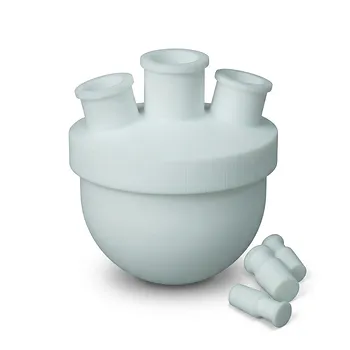
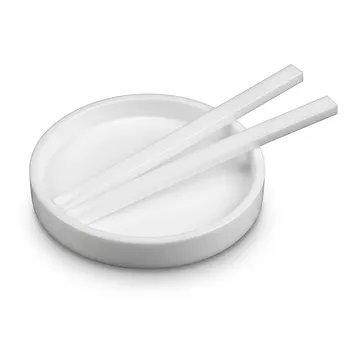
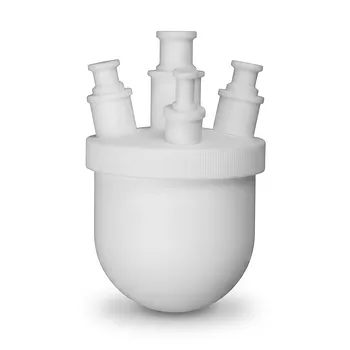
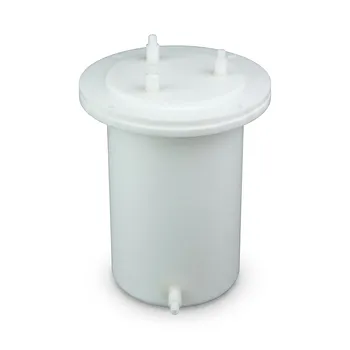
Achieving precision in carbon dot and composite fabrication requires the highest quality reaction vessels. KINTEK specializes in high-performance fluoropolymer solutions designed for the most demanding laboratory environments. From our standard stainless steel Teflon-lined hydrothermal reactors to custom microwave digestion vessels and hydrothermal synthesis liners, we provide the purity and durability your research demands.
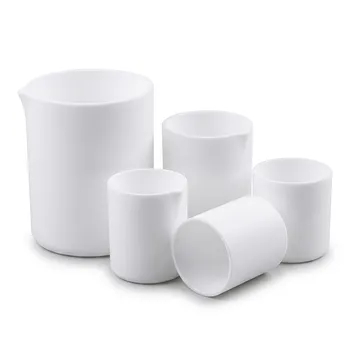
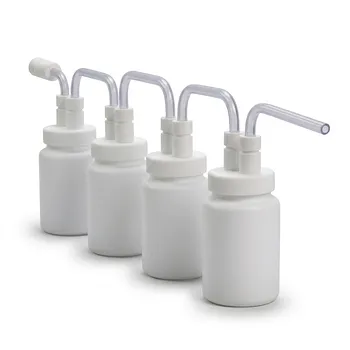
Whether you need basic labware like beakers, crucibles, and reagent bottles, or complex custom CNC-machined components, electrochemical cells, and fluid transfer fittings, KINTEK is your dedicated partner. Our absolute focus on high-performance PTFE and PFA materials ensures your samples remain free from contamination while withstanding aggressive chemical precursors.
Ready to optimize your lab setup with high-performance fluoropolymers? Contact us today to discuss your specific requirements and see how our end-to-end fabrication capabilities can support your next breakthrough.
References
- E Li, Yihang Xu. An Non-metallic Nitrite Electrochemical Sensor Based on In-situ Growth of Carbon Dots on Carbon Cloth. DOI: 10.33961/jecst.2025.00283
This article is also based on technical information from Kintek Knowledge Base .
Related Products
- High Temperature Corrosion Resistant Hydrothermal Synthesis Reactor with TFM Inner Liner and Straight Cylinder Design
- Custom TFM Reaction Vessel with Stainless Steel Jacket and PTFE Inner Cup for High Corrosion Resistance
- PTFE Lined High Pressure Digestion Vessel 50ml High Temperature Hydrothermal Synthesis Tank
- High Pressure Custom TFM Reactor Stainless Steel Outer Vessel PTFE Inner Cup for Corrosive Synthesis
- High Temperature PTFE Reaction Flask 1000ml Single Neck Round and Flat Bottom Laboratory Bottle
People Also Ask
- What is the role of a corrosion-resistant reactor in the synthesis of lignin-based carbon dots? Ensure Maximum Purity
- What are the technical advantages of using hydrothermal synthesis reactors for advanced electronic & optical nanomaterials?
- How does a hydrothermal synthesis reactor facilitate the production of crystalline materials with tailored morphologies? Precision Crystal Growth
- Why is the sealing reliability of a hydrothermal synthesis reactor critical for 24-hour cycles? Ensure Nano-Precision
- What role do hydrothermal synthesis reactors play in CQD preparation? Achieve High-Purity Nanomaterial Synthesis