The key difference is the degree of fluorination: fully perfluorinated polymers have backbones dominated entirely by carbon–fluorine bonds, while partially fluorinated polymers retain hydrogen, chlorine, or other non-fluorinated atoms. This structural difference generally gives perfluoropolymers—such as PTFE and PFA—superior chemical inertness, thermal stability, purity, and non-stick behavior. Partially fluorinated materials—such as PVDF, ETFE, and PCTFE—are usually harder, stiffer, tougher, and easier to process, but they offer less universal chemical and thermal resistance.
For maximum chemical compatibility, high-purity performance, and severe temperature exposure, choose a perfluoropolymer; for greater stiffness, hardness, toughness, or easier fabrication, consider a partially fluorinated polymer.
How the Polymer Structures Differ
Fully perfluorinated polymer structure
Fully perfluorinated polymers contain carbon chains in which the available hydrogen atoms have effectively been replaced by fluorine. PTFE has a highly fluorinated carbon backbone, while PFA also includes perfluoroalkoxy side-chain structures.
The resulting carbon–fluorine framework is chemically stable and strongly shields the carbon backbone from attack by acids, bases, solvents, and other aggressive reagents.
Partially fluorinated polymer structure
Partially fluorinated polymers retain some hydrogen or other non-fluorinated atoms in their molecular structure. PVDF and ETFE retain carbon–hydrogen bonds, while PCTFE includes chlorine in addition to fluorine.
These less-fluorinated structures expose more chemically reactive sites and generally provide a broader range of mechanical interactions between polymer chains.
How Structure Affects Laboratory Performance
Chemical resistance
Perfluoropolymers provide the highest level of chemical inertness among common fluoroplastics. PTFE and PFA are therefore preferred for aggressive acids, strong bases, solvents, digestion chemistry, and applications where broad chemical compatibility is essential.
Partially fluorinated materials can still provide excellent resistance to many laboratory chemicals, but their compatibility is more chemical-specific. The exact reagent, concentration, temperature, exposure time, and mechanical stress must be checked.
Thermal stability
The strong and chemically stable fluorinated structure gives perfluoropolymers exceptional thermal tolerance. PTFE and PFA are commonly selected for high-temperature laboratory apparatus, digestion vessels, and fluid-handling components.
Partially fluorinated polymers generally have lower continuous-use temperature limits than PTFE or PFA, although they may remain suitable for moderate-temperature laboratory service. Temperature ratings are grade- and design-dependent, so they should not be treated as universal material constants.
Purity and contamination control
Perfluoropolymers are favored where low extractables, low trace contamination, and minimal sample interaction are critical. This is particularly important in trace analysis, high-purity fluid transfer, and digestion vessels.
Partially fluorinated polymers may be fully adequate for routine handling, but they are not automatically equivalent to PTFE or PFA in the most demanding ultra-pure applications.
Physical and Mechanical Differences
Hardness and stiffness
Partially fluorinated polymers are generally harder and stiffer than fully perfluorinated materials. Their higher mechanical strength can make them better suited to rigid fittings, supports, housings, and structural components.
Perfluoropolymers are comparatively softer and often have lower elastic modulus. This can be useful for flexible tubing, seals, gaskets, and components that must conform to mating surfaces.
Toughness and dimensional stability
Partially fluorinated materials can offer useful toughness, wear resistance, and resistance to deformation under mechanical loading. These properties may improve the durability of threaded parts, valves, and mechanically stressed components.
PTFE, despite its chemical advantages, can be susceptible to creep or cold flow under sustained load. Component geometry, reinforcement, temperature, and loading conditions therefore matter when using it in structural or sealing applications.
Processing and fabrication
Some partially fluorinated polymers, including PVDF and ETFE, are easier to melt-process into precise molded or extruded parts. This supports efficient production of rigid tubing, fittings, valve parts, and engineered components.
PTFE is not conventionally melt-processable in the same way and is commonly shaped through specialized techniques such as compression molding, sintering, or machining. PFA is more readily melt-processable while retaining many of the chemical advantages associated with perfluorinated materials.
Surface behavior
Perfluoropolymers typically provide extremely low surface energy, strong non-stick behavior, and high hydrophobicity. These characteristics reduce adhesion and help minimize interaction between the laboratory material and the sample.
Partially fluorinated polymers may still have favorable low-friction and chemical-resistant surfaces, but their surface performance is generally not as extreme as that of PTFE or PFA.
Matching Material Choice to Laboratory Use
High-temperature reaction and digestion equipment
For digestion vessels, reaction liners, and apparatus exposed to severe chemical attack and elevated temperatures, PTFE or PFA is usually the safer choice.
The priority in these applications is not mechanical hardness; it is preservation of the vessel, prevention of reaction with the sample, and resistance to thermal and chemical degradation.
Ultra-pure fluid handling
Use fully perfluorinated materials when handling trace-analysis samples, highly pure reagents, or fluids where extractables could compromise results.
PFA may be particularly attractive when a perfluorinated material must also be formed into tubing or complex molded components. PTFE remains valuable for machined fittings, seals, liners, and chemically resistant components.
Rigid structural components
Partially fluorinated materials may be preferable for rigid supports, housings, protective components, and mechanically loaded fittings.
Their higher hardness and stiffness can provide better dimensional retention and resistance to mechanical damage, provided their chemical compatibility and temperature limits are acceptable.
Flexible tubing and sealing
Fully fluorinated polymers are often advantageous for flexible tubing, gaskets, and seals exposed to aggressive chemicals. Their chemical stability and low surface energy can outweigh their lower hardness.
However, the specific pressure, temperature, bending, compression, and creep requirements must still be evaluated.
Understanding the Trade-offs
Chemical resistance versus mechanical strength
The most chemically inert material is not always the strongest or hardest. Perfluoropolymers maximize chemical and thermal protection, while partially fluorinated polymers often provide better mechanical rigidity and toughness.
Selecting solely on hardness can lead to premature chemical damage; selecting solely on chemical resistance can lead to deformation or poor dimensional stability.
Flexibility versus creep resistance
The relative softness of PTFE can help it conform to surfaces and function effectively as a seal. Under sustained pressure or elevated temperature, however, creep may reduce sealing force or dimensional accuracy.
A harder partially fluorinated material may resist deformation better, but it may not provide the same chemical margin or conformability.
Universal resistance versus application-specific resistance
Perfluoropolymers offer a broad compatibility margin, but “chemically inert” does not mean immune to every condition. Molten alkali metals, highly reactive fluorinating environments, radiation, mechanical stress, and extreme temperature combinations may require separate evaluation.
Partially fluorinated polymers should be selected only after checking a compatibility chart or supplier data for the actual chemical and operating conditions.
Temperature rating versus real component performance
Published continuous-use temperatures are material guidelines, not guarantees for every component. Pressure, wall thickness, cycling, mechanical load, installation stress, and exposure duration can reduce practical operating limits.
For critical laboratory equipment, evaluate the complete component and service condition rather than comparing resin temperature numbers alone.
Making the Right Choice for Your Goal
Material selection should begin with the most demanding requirement: chemical exposure, temperature, purity, mechanical loading, or processing method.
- If your primary focus is maximum chemical resistance: Choose a fully perfluorinated polymer such as PTFE or PFA, especially for aggressive reagents, digestion vessels, and severe chemical containment.
- If your primary focus is ultra-high purity or trace analysis: Prefer PTFE or PFA because their highly fluorinated structures generally provide low extractables and minimal sample interaction.
- If your primary focus is stiffness and dimensional stability: Consider a partially fluorinated polymer such as PVDF, ETFE, or PCTFE after verifying chemical compatibility and temperature limits.
- If your primary focus is manufacturability: Consider a melt-processable grade, including PFA or an appropriate partially fluorinated polymer, while confirming that its performance meets the laboratory requirements.
- If your primary focus is flexible sealing or tubing: Use a fully perfluorinated material when chemical exposure is severe, but assess creep, pressure, and temperature under the actual service conditions.
The right choice balances fluorination-driven chemical protection with the mechanical and processing properties required by the laboratory component.
Summary Table:
| Property | Fully Perfluorinated (PTFE, PFA) | Partially Fluorinated (PVDF, ETFE, PCTFE) |
|---|---|---|
| Chemical Resistance | Superior, broad compatibility | Good but chemical-specific |
| Thermal Stability | High (e.g., PTFE up to 260°C) | Lower continuous-use limits |
| Purity | Very low extractables | May have higher extractables |
| Hardness/Stiffness | Soft, flexible | Harder, stiffer, tougher |
| Processing | Hard to melt-process (PTFE); PFA melt-processable | Easier melt-processing |
| Surface Energy | Extremely low, non-stick | Low but less extreme |
| Best Applications | High-temperature, aggressive chemicals, trace analysis | Rigid components, moderate chemical exposure |
Maximize your lab's performance with KINTEK's high-purity PTFE and PFA labware. Whether you need chemical-resistant beakers, digestion vessels, or custom-machined components, our perfluoropolymer products deliver superior purity and reliability. For distributors, we offer competitive margins, OEM/ODM support, and consistent supply. Contact us today to discuss your requirements and get a personalized quote!
Related Products
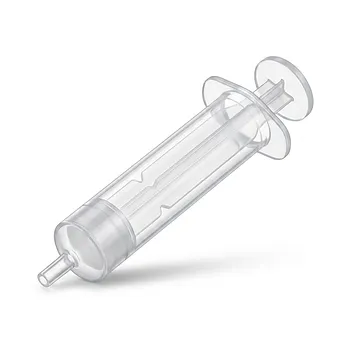
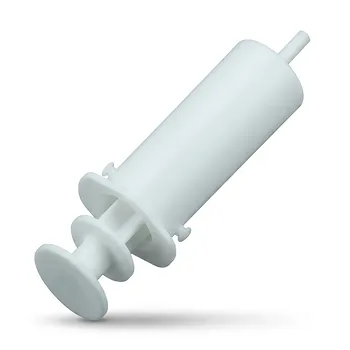
- Corrosion Resistant PFA Syringe Translucent Visual Fluoropolymer Labware 10ml Chemical Handling Tool
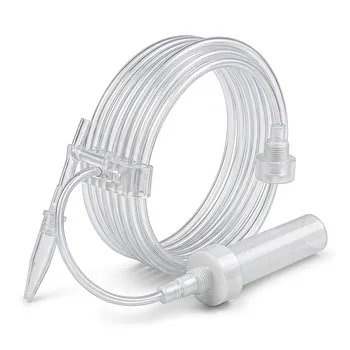
- Custom PFA Tubing 1/4 Inch High Purity Corrosion Resistant Fluoropolymer Tube with Welding and Machining Services
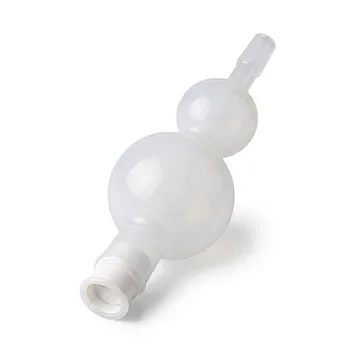
- High Purity PFA Chromatography Columns and Collection Bottles Corrosion Resistant Fluoropolymer Filtration Systems for Trace Analysis
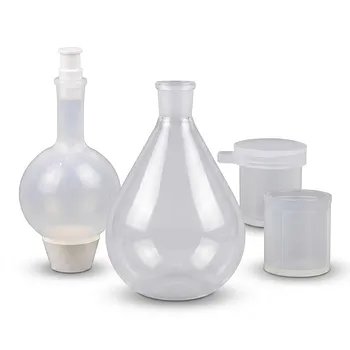
- PFA Eggplant Flask Custom Molded Pear Shaped Laboratory Flask Corrosion Resistant Glass Alternative
- Corrosion Resistant High Purity PFA Valve and Weldable Transparent Tubing for Semiconductor Fluid Transfer
People Also Ask
- How does the incorporation of comonomers such as perfluoropropyl vinyl ether (PPVE) alter the molecular structure and processing characteristics of TFE-based fluoropolymers like PFA compared to standard PTFE?
- Why do PFA fluoropolymer laboratory products offer different melt-processability and structural toughness compared to standard PTFE labware?
- Which material characteristics make fluoropolymers suitable for lithium-ion battery separators, and how do fluoropolymer laboratory supplies support separator performance testing?
- Why use PTFE/PFA for pH adjustment in dye studies? Ensure chemical purity and reliable adsorption data accuracy.
- How do the chemical properties of fluorinated materials support specialized processing requirements in semiconductor cleanrooms and analytical labs? Discover high-purity PTFE/PFA solutions.