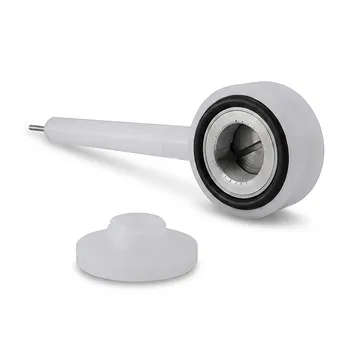
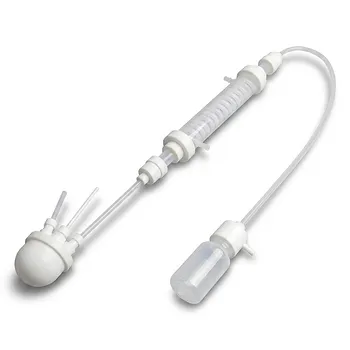
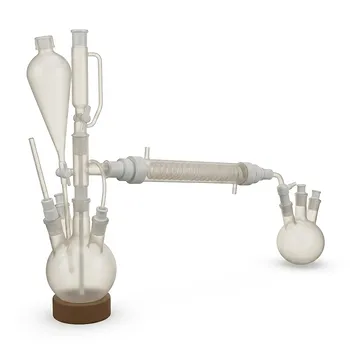
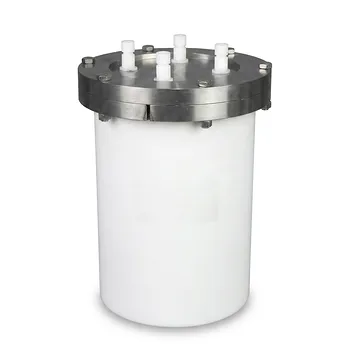
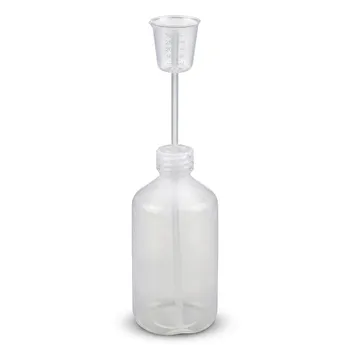
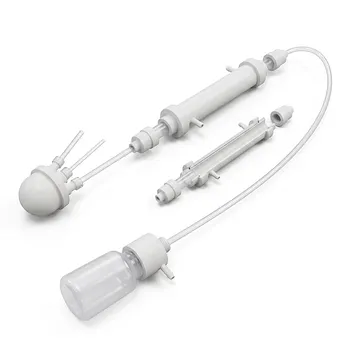
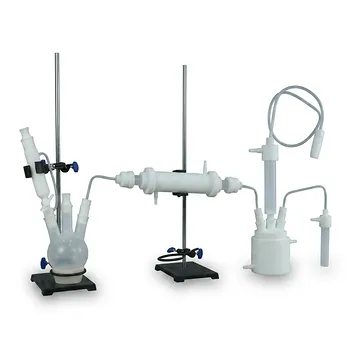
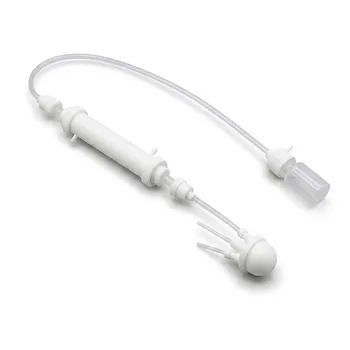
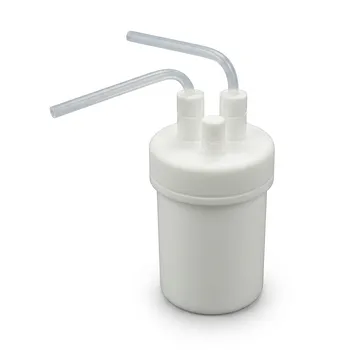
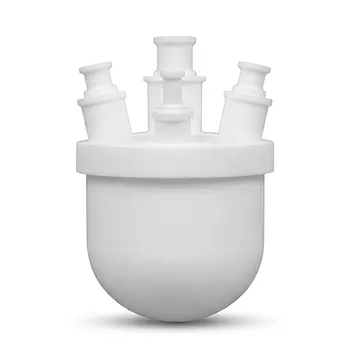
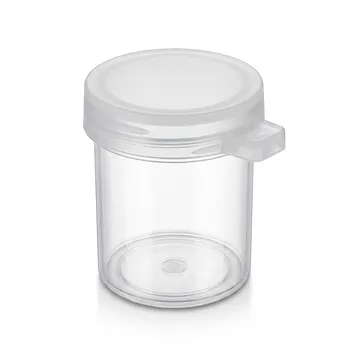
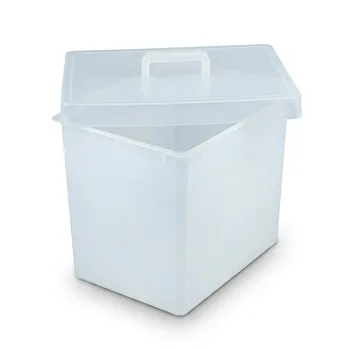
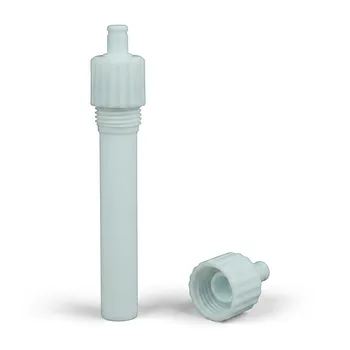
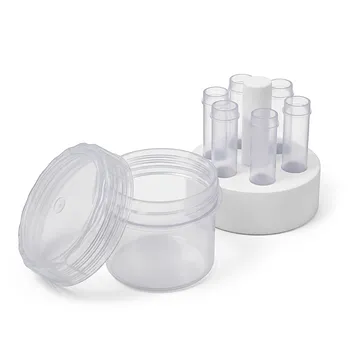
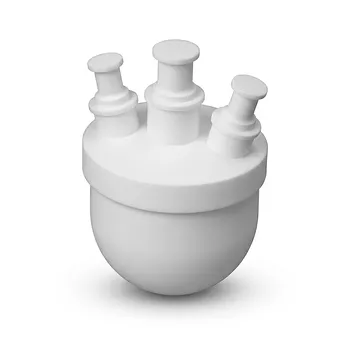
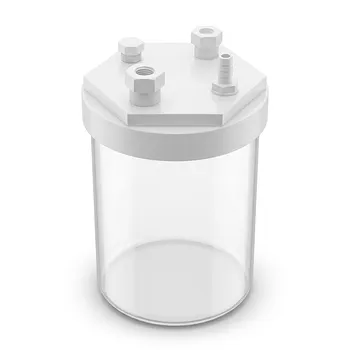
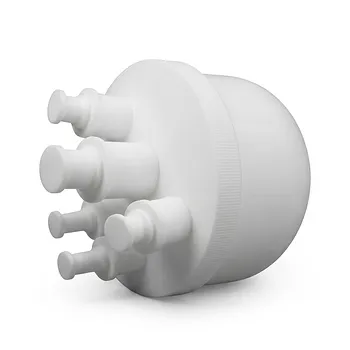
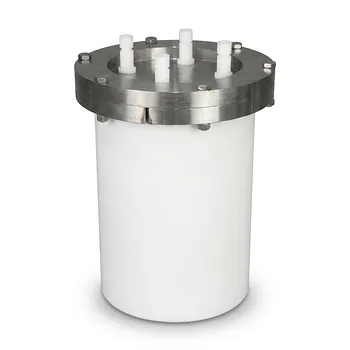
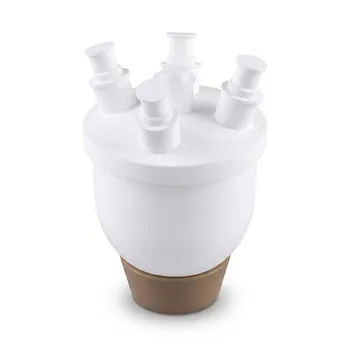
The primary challenge is controlling a highly reactive gas that is difficult to contain, meter, and polymerize efficiently. Monomers such as vinylidene fluoride (VDF), tetrafluoroethylene (TFE), and hexafluoropropene (HFP) are gaseous at room temperature, with VDF boiling near −83 to −84°C. Specialized low-pressure apparatus made from PTFE and PFA helps researchers transfer and contain these monomers while enabling small-scale photopolymerization at approximately 25–40°C, avoiding the cost and hazards of conventional high-pressure systems.
Specialized fluoropolymer apparatus addresses the core handling problem through chemical inertness, reliable gas containment, and compatibility with low-pressure workflows. Combined with visible-light photopolymerization, it reduces monomer consumption, lowers operating severity, and makes rapid catalyst or reaction-condition screening practical.
Why Gaseous Fluorinated Monomers Are Difficult to Handle
They are gases under ordinary laboratory conditions
VDF, TFE, and HFP do not behave like conventional liquid monomers such as styrene or acrylates. Their low boiling points make them difficult to store, transfer, weigh, and charge into a reaction vessel using standard liquid-handling equipment.
The challenge is operational as much as chemical: even a small change in temperature or pressure can affect whether the monomer remains in the desired phase.
They are highly reactive
Main-chain fluorinated alkene monomers can polymerize readily under the right conditions, but their reactivity is not always easy to control. VDF, in particular, has relatively low radical reactivity compared with common liquid monomers.
This creates a narrow operating window. The system must provide sufficient initiation and mixing for polymerization without introducing uncontrolled reaction, contamination, or pressure changes.
Conventional polymerization requires severe conditions
Traditional approaches commonly use 100–150°C reactions in expensive high-pressure metal reactors. These systems are designed to keep gaseous monomers contained and dissolved or condensed under pressure.
Although effective, they impose substantial requirements for pressure-rated equipment, temperature control, specialized operation, and post-reaction handling.
Why Small-Scale Screening Is Operationally Difficult
High monomer consumption limits experimentation
Conventional fluoropolymerization may use hundreds of grams of monomer. That scale is poorly suited to early-stage catalyst screening, where researchers may want to compare many formulations using approximately one gram of material per experiment.
Large material requirements increase cost and make failed or exploratory experiments less practical.
Pressure complicates workflow and safety
High-pressure metal reactors require pressure-rated vessels, compatible seals, specialized fittings, and procedures for charging and depressurizing gaseous monomers. Every additional connection becomes part of the containment and inspection burden.
The pressure itself also limits how quickly researchers can modify reaction conditions or run parallel experiments.
Contamination can compromise results
Fluoropolymer synthesis may involve aggressive solvents, initiators, catalysts, and reactive intermediates. Trace contamination from unsuitable tubing, seals, fittings, or vessel surfaces can affect polymerization behavior and make catalyst comparisons unreliable.
For screening work, this is especially important because an apparent catalyst effect may actually result from impurities or material incompatibility.
How Specialized Laboratory Apparatus Solves These Problems
PTFE and PFA provide chemical resistance
PTFE and PFA are chemically inert fluoropolymers that resist many aggressive solvents, initiators, and reactive intermediates used in fluoromonomer synthesis.
Using these materials for reaction vessels, tubing, fittings, and fluid-transfer components reduces the likelihood that the apparatus will degrade or release contaminants into the reaction mixture.
Custom fittings improve containment
Gaseous monomers require connections that remain reliable across the relevant pressure and temperature range. Custom-machined fittings and compatible seals can reduce leakage points and provide more consistent fluid transfer than improvised laboratory connections.
This allows the apparatus to be designed around the monomer and reaction geometry rather than adapted from equipment intended for ordinary liquid chemistry.
Low-pressure systems reduce equipment demands
Specialized apparatus supports polymerization under low-pressure conditions, reducing dependence on large, high-pressure metal reactors. This lowers the mechanical demands on the system and makes small-scale experiments more accessible.
Lower pressure also simplifies the overall workflow, although it does not eliminate the need for appropriate containment, ventilation, monitoring, and operating procedures.
Thermal stability supports controlled operation
PTFE and PFA components provide useful thermal stability for mild-temperature polymerization. This is compatible with reaction conditions around 25–40°C, where visible-light photopolymerization can replace more demanding high-temperature processing.
Maintaining a stable, mild temperature helps reduce thermal stress on the apparatus and makes experimental conditions easier to reproduce.
How Photopolymerization Changes the Screening Workflow
Visible light enables milder reaction conditions
Visible-light photopolymerization can initiate polymer formation without relying on the high temperatures traditionally used for gaseous fluoromonomers. This allows researchers to work at approximately 25–40°C in a lower-pressure setup.
The result is a more manageable experimental environment for evaluating catalysts, initiators, and formulation variables.
Small reaction volumes reduce material use
A low-pressure apparatus designed for small-scale operation can support experiments using roughly one gram of monomer, rather than hundreds of grams. This directly reduces material cost and allows more conditions to be tested from the same supply.
Small-scale work also makes iterative optimization faster because each experiment requires less preparation and cleanup.
More conditions can be compared efficiently
When containment, transfer, and reaction control are integrated into a compact apparatus, researchers can screen reaction conditions more rapidly. Variables such as catalyst identity, initiator loading, solvent choice, light exposure, and reaction time can be evaluated with less equipment overhead.
The value is not only lower consumption. It is the ability to obtain comparative data before committing to larger and more demanding reactor systems.
Understanding the Trade-offs
Lower pressure does not mean zero risk
Fluorinated monomers remain gaseous, reactive chemicals even when processed under mild temperature and low pressure. The system still requires suitable containment, leak prevention, ventilation, and procedures for charging and venting.
Specialized materials reduce equipment-related risks, but they do not replace formal process-safety controls.
Chemical inertness does not solve every compatibility issue
PTFE and PFA are broadly resistant materials, but compatibility must still be assessed for the complete chemical system, including solvents, catalysts, initiators, light exposure, temperature, and cleaning agents.
A chemically resistant tube or vessel can still be unsuitable if its fittings, seals, joints, or connection method are not equally compatible.
Small-scale results may not transfer directly
A one-gram screening reaction does not automatically reproduce the mixing, heat transfer, gas-liquid behavior, or mass-transfer conditions of a larger reactor. Conditions that perform well in a small apparatus may require adjustment during scale-up.
Small-scale systems are therefore best used to identify promising conditions, not to assume production-scale performance without further validation.
Photochemical control adds its own variables
Visible-light polymerization introduces factors such as light intensity, wavelength, exposure geometry, and optical access. These variables must be controlled if results from different experiments are to be meaningfully compared.
The apparatus should provide consistent illumination and prevent changes in vessel position or optical path from being mistaken for chemical effects.
Making the Right Choice for Your Goal
The appropriate setup depends on whether the priority is discovery, material conservation, process development, or scale-up preparation.
- If your primary focus is rapid catalyst screening: Use a low-pressure PTFE/PFA apparatus that supports approximately gram-scale reactions and mild-temperature visible-light polymerization.
- If your primary focus is contamination control: Use high-purity PTFE and PFA components, compatible fittings, and chemically inert tubing throughout the monomer-transfer and reaction path.
- If your primary focus is reducing operational hazards: Minimize unnecessary pressure and temperature while retaining engineered containment, leak control, ventilation, and appropriate laboratory procedures.
- If your primary focus is preparing for scale-up: Treat small-scale photopolymerization as a screening platform, then validate promising conditions in equipment that reproduces the relevant pressure, heat-transfer, and mass-transfer behavior.
With the right materials and reaction design, gaseous fluorinated monomers can be studied more safely, economically, and systematically without relying on high-pressure, high-consumption experiments from the outset.
Summary Table:
| Challenge | Conventional Approach | PTFE/PFA + Photopolymerization |
|---|---|---|
| Monomer State | Gas at room temp, hard to handle | Low-pressure apparatus designed for gas containment |
| Reactivity Control | High-temperature (100-150°C), high-pressure reactors | Mild temperature (25-40°C) via visible-light initiation |
| Material Consumption | Hundreds of grams per experiment | ~1 gram per screening run |
| Contamination Risk | Potential from poor seals or incompatible materials | Chemically inert PTFE/PFA reduces contamination |
| Safety and Workflow | Complex pressure-rated equipment | Lower pressure simplifies setup and increases safety |
| Screening Efficiency | Slower due to high resource demands | Rapid catalyst and condition screening enabled |
Streamline your fluoromonomer research with high-purity PTFE/PFA apparatus. At KINTEK, we specialize in custom lab equipment for handling reactive gases, from inert tubing and fittings to custom reaction vessels. Our PTFE/PFA solutions ensure chemical inertness, reliable containment, and support mild photopolymerization—reducing your monomer consumption and accelerating catalyst screening. Contact our experts today to design your low-pressure fluoropolymer setup: Request a Consultation
Related Products
- PVDF Sample Support Body for Corrosion Testing and Electrochemical Analysis
- Corrosion Resistant Hydrogen Fluoride Reflux Apparatus PTFE Flask Condenser Separatory Funnel Collection Bottle High Temperature Laboratory System
- PTFE Distillation Condensation Apparatus High Temperature Hydrofluoric Acid Resistant Fluorination Reaction Flask
- Corrosion Resistant PTFE Hydrogen Fluoride Diluter Reaction System with Flange Seals and Multi Port Valve Fittings
- Translucent PFA Bottle Top Dispenser for Corrosion Resistant Chemical Squeeze Extraction
People Also Ask
- How do PVDF, PTFE, and PFA compare for chemical process and filtration applications?
- What is the function of β-phase fluoropolymer interfaces in lithium dendrite suppression, and how does this guide the selection of fluoropolymer electrochemical testing apparatus?
- How to Balance Ionic Conductivity and Water Barrier in Amphiphilic Polymer Electrolyte Membranes? Optimize with Fluoropolymer Testing Supplies
- What role do non-stick fluoropolymer substrates play during the thermal processing and film casting of electroactive PVDF membranes? Optimize your fabrication with PTFE/PFA release surfaces.
- How does VA content affect PVDF ferroelectric properties? Boost breakdown strength with crosslinking