Polytetrafluoroethylene (PTFE) is the material of choice for high-precision laboratory connectors primarily due to its universal chemical inertness, extreme thermal range, and superior dielectric properties. These attributes allow PTFE connectors to maintain structural and chemical integrity in environments ranging from cryogenic storage to high-heat sterilization, all while ensuring that sensitive samples are not contaminated by the connector material itself.
Core Takeaway: PTFE provides a chemically neutral, non-stick interface that eliminates sample cross-contamination and withstands extreme environmental stress, making it indispensable for high-precision analytical and medical instrumentation.
Chemical Neutrality and Sample Purity
Exceptional Chemical Inertness
The carbon-fluorine bonds in PTFE are among the strongest in organic chemistry, rendering the material inert to almost all acids, bases, solvents, and oxidizers. This ensures that the connector does not react with the fluid or gas passing through it, maintaining the purity of the sample and the accuracy of the laboratory results.
Low Surface Energy and Hydrophobicity
PTFE possesses a very low surface energy, which creates its famous "non-stick" characteristic. In a laboratory setting, this prevents substance adhesion and material buildup, making the connectors easy to clean and significantly reducing the risk of cross-contamination between different test cycles.
Resistance to Environmental Degradation
Unlike many other polymers, PTFE is highly resistant to ultraviolet (UV) radiation and fatigue. This stability ensures that connectors do not become brittle or degrade over time when exposed to the harsh light or repetitive stresses common in laboratory environments.
Thermal and Mechanical Reliability
Wide Operational Temperature Range
PTFE maintains its mechanical properties across a massive thermal gradient, typically rated from −260 °C to +260 °C. This allows a single connector design to function reliably in applications ranging from liquid nitrogen cryogenics to high-temperature chemical synthesis.
Low Coefficient of Friction
With a coefficient of friction as low as 0.05 to 0.10, PTFE minimizes flow resistance and mechanical wear. In precision connectors, this property ensures smooth attachment and detachment, reducing the physical stress on delicate glass or plastic laboratory apparatus.
Thermal Stability and Melting Point
The material remains stable up to its melting point of 327 °C. This thermal resilience prevents the connector from deforming or "off-gassing" volatile organic compounds (VOCs) that could compromise sensitive analytical measurements at elevated temperatures.
Electrical Performance for Precision Instrumentation
Superior Dielectric Properties
PTFE is an exceptional electrical insulator, featuring a low dielectric constant of approximately 2.1 and an extremely low dissipation factor. These properties are critical for connectors used in electronic laboratory equipment, as they minimize signal loss and interference in high-frequency applications.
High Volume Resistivity
With a volume resistivity of approximately 10¹⁸ Ω·cm, PTFE effectively prevents electrical leakage. This makes it a primary material for connectors in sensitive diagnostic tools where even minor electrical fluctuations could lead to data errors.
Dielectric Strength
The material exhibits a high dielectric strength of approximately 60 MV/m. This allows PTFE connectors to safely handle high-voltage requirements without the risk of electrical breakdown or arcing within the laboratory setup.
Understanding the Trade-offs
Susceptibility to "Cold Flow" or Creep
One of the primary limitations of PTFE is its tendency to undergo mechanical creep, also known as "cold flow," under a constant load. In connector applications, this means that over-tightened fittings may gradually deform over time, potentially leading to leaks if not properly managed with reinforced designs or regular maintenance.
Mechanical Softness
PTFE is a relatively soft fluoropolymer compared to materials like PEEK or stainless steel. While this softness aids in creating a tight seal, it also means the material can be easily scratched or marred by abrasive particles or improper handling, which can eventually compromise the "non-stick" surface.
Cost and Processing Complexity
PTFE is more expensive than standard plastics and cannot be processed using traditional injection molding due to its high melt viscosity. It must be machined or compression molded, which can increase the unit cost for high-precision laboratory components.
How to Apply This to Your Project
Laboratory connector selection should be driven by the specific demands of your fluid path and environmental conditions.
- If your primary focus is Chemical Purity: Prioritize PTFE for its universal inertness to ensure that no trace elements from the connector leach into your high-purity samples.
- If your primary focus is Extreme Temperatures: Utilize PTFE for its ability to remain ductile at cryogenic temperatures and stable during high-heat sterilization cycles.
- If your primary focus is Signal Integrity: Leverage PTFE’s low dielectric constant to maintain high-frequency signal clarity in electronic sensing or diagnostic connectors.
By understanding these material properties, you can ensure your laboratory systems maintain the highest standards of accuracy and reliability.
Summary Table:
| Property | Key Benefit | Laboratory Application |
|---|---|---|
| Chemical Inertness | Resists nearly all acids and solvents | High-purity sample handling |
| Thermal Stability | Operates from -260°C to +260°C | Cryogenics & heat sterilization |
| Dielectric Strength | Low signal loss & high insulation | Precision electronic diagnostics |
| Surface Energy | Non-stick & hydrophobic | Preventing cross-contamination |
| Friction Coeff. | Minimizes wear (0.05 - 0.10) | Smooth mechanical connections |
Upgrade Your Lab with KINTEK’s Precision PTFE & PFA Solutions
Maintain absolute sample integrity and equipment longevity with KINTEK’s high-performance fluoropolymer products. As experts in PTFE and PFA manufacturing, we offer everything from everyday labware (beakers, cylinders, bottles) and fluid transfer components (tubing, fittings, valves) to advanced reaction apparatus like custom electrochemical cells and microwave digestion vessels.
Benefit from our end-to-end custom CNC fabrication, allowing us to deliver bespoke non-standard parts and high-volume orders tailored to your specific research needs. Don't compromise on precision—leverage our exclusive focus on high-performance materials to enhance your laboratory's efficiency.
Contact KINTEK today to discuss your custom laboratory requirements!
Related Products
- Corrosion Resistant PTFE Multi Layer Sieve with Threaded Connections for Bio Chemical Laboratory Extraction and Customizable Mesh Size
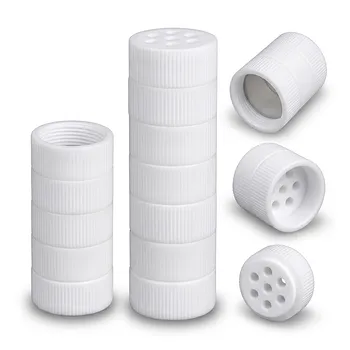
- High Temperature Resistant PTFE White Screw Plugs Custom T Shaped Sealing Hole Stoppers Waterproof Dustproof Chemical Inert Laboratory Fasteners
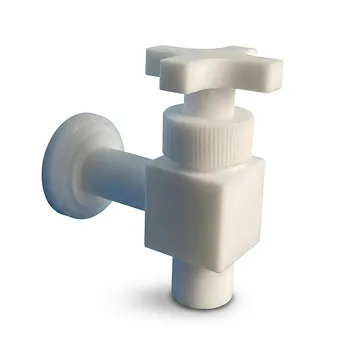
- Corrosion Resistant PTFE Polytetrafluoroethylene Valve and Customizable Laboratory Fluid Dispensing Faucet for Aggressive Chemical Handling in Industrial Storage Tanks and Plastic Drums
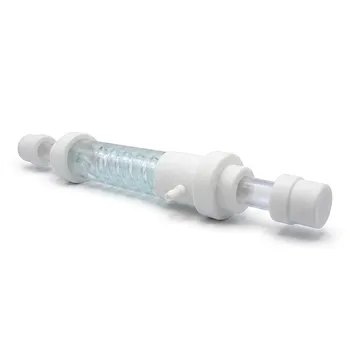
- Custom PTFE Condenser Tube 100ml Serpentine and Straight Fluoropolymer Laboratory Heat Exchanger with Flask Adapters
- Custom PTFE Laboratory Apparatus Corrosion Resistant Low Background Reaction Cells Precision CNC Fabrication
People Also Ask
- Which chemicals are fully compatible with PTFE filters? Discover Unmatched Chemical Resistance
- What temperature resistance do PTFE filters offer? Unmatched Thermal Stability from -200°C to +260°C
- How does the hydrophobicity of PTFE filters benefit their use? Ensure Uninterrupted Gas Flow and Solvent Filtration
- What steps are involved in selecting the proper PTFE filter? A 4-Step Guide to Optimal Filtration
- What sizes and pore options are available for PTFE filters? Choose the Right Filter for Your Application