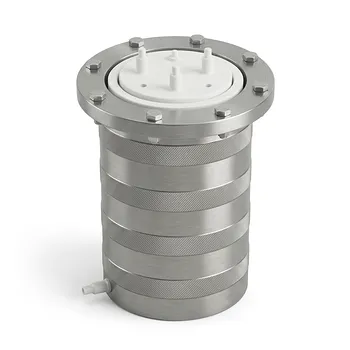
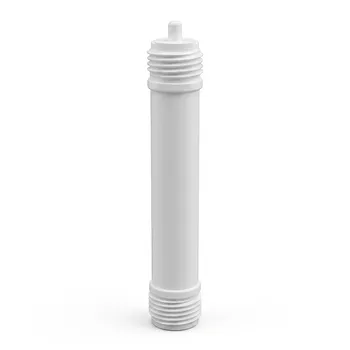
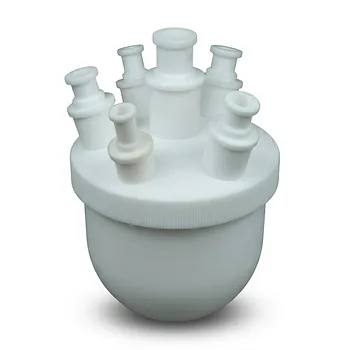
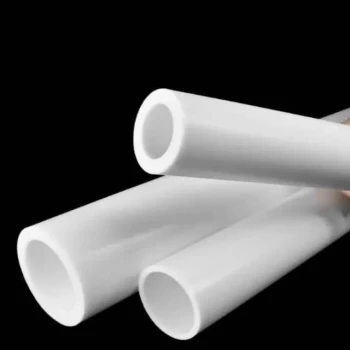
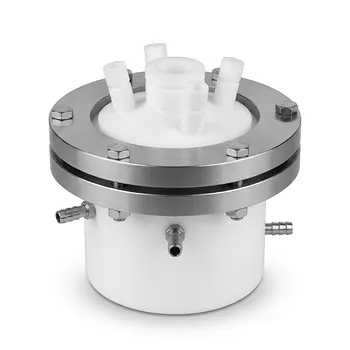
In the hydrothermal synthesis of nitrogen-doped carbon dots, the PTFE liner and stainless steel autoclave function as a complementary system. The PTFE liner provides a chemically inert, non-stick reaction chamber that prevents corrosion and metal contamination. Simultaneously, the stainless steel shell acts as a high-strength pressure vessel that maintains the extreme temperatures and pressures required for precursors to carbonize and dope.
The success of hydrothermal synthesis depends on isolating the reaction chemically while containing it mechanically. The PTFE liner ensures the chemical purity and optical performance of the carbon dots, while the stainless steel shell provides the structural containment necessary to reach high-pressure reaction conditions safely.
The PTFE Liner: Chemical Isolation and Purity
Superior Chemical Inertness
PTFE (Polytetrafluoroethylene) is highly resistant to the aggressive precursors used in nitrogen-doped carbon dot synthesis, such as ammonia, urea, or acidic solutions. This inertness prevents the reaction medium from attacking the autoclave's metal walls, even at elevated temperatures.
Prevention of Metal Contamination
By acting as a physical barrier, the liner ensures that metal ions from the stainless steel outer shell do not leach into the precursor solution. This is critical for achieving high quantum yields and ensuring the resulting carbon dots maintain consistent optical properties.
Non-Stick and Anti-Adhesive Properties
The non-stick nature of PTFE facilitates uniform nucleation and growth of the nanomaterials. It also prevents the carbonized products from adhering to the container walls, which simplifies the recovery of the dots and ensures the vessel can be cleaned effectively.
The Stainless Steel Autoclave: Mechanical Support
Pressure-Bearing Capacity
While PTFE is chemically resistant, it lacks the structural strength to contain the high pressures generated when heating solvents in a sealed volume. The high-strength stainless steel shell provides the necessary mechanical integrity to safely handle these internal forces.
Facilitating High-Temperature Environments
The autoclave allows the system to reach and maintain the temperatures required for synthesis, typically around 180°C. These conditions are essential for the dehydration, polymerization, and carbonization of organic precursors that lead to the formation of carbon dots.
Heat Distribution and Stability
The heavy metal shell helps distribute heat more evenly to the internal liner. This thermal stability is vital for maintaining a constant reaction rate, which influences the size distribution and quality of the final nitrogen-doped product.
Understanding the Trade-offs and Pitfalls
Temperature Limits and Deformation
PTFE has a maximum safe operating temperature, typically around 220°C. Exceeding this limit can cause the liner to soften, deform, or release hazardous vapors, potentially compromising the seal or damaging the autoclave.
Thermal Expansion Mismatch
PTFE expands at a much higher rate than stainless steel when heated. If a liner is not properly sized or if the reactor is cooled too rapidly, the resulting mechanical stress can cause the liner to crack or the steel shell to experience unnecessary fatigue.
The Danger of Overfilling
A common pitfall is overfilling the PTFE liner (typically beyond 70-80% capacity). Because liquids expand when heated, an overfilled liner can generate excessive pressure that exceeds the autoclave's safety ratings, leading to equipment failure.
How to Apply This to Your Synthesis
Making the Right Choice for Your Goal
- If your primary focus is maximum product purity: Use a high-quality, virgin PTFE liner and perform a "dummy" run with deionized water or acid to leach any surface residuals before your actual synthesis.
- If your primary focus is experimental safety: Always verify the pressure rating of your stainless steel shell and ensure you are using a burst disk or safety valve appropriate for your target temperature.
- If your primary focus is consistent quantum yields: Maintain a strict cooling protocol to ensure that the crystallization and carbonization processes are terminated identically across different batches.
By understanding the distinct roles of these two components, you can ensure a synthesis environment that is both chemically clean and mechanically safe.
Summary Table:
| Component | Primary Function | Key Benefit |
|---|---|---|
| PTFE Liner | Chemical Isolation | Prevents metal contamination and ensures high quantum yields. |
| Stainless Steel Shell | Mechanical Containment | Provides structural strength to handle high pressure and temperature. |
| The System | Controlled Reaction | Enables safe dehydration, polymerization, and uniform carbonization. |
Elevate Your Synthesis with KINTEK High-Performance Fluoropolymers
Precision in hydrothermal synthesis demands materials that never compromise on purity or safety. KINTEK specializes in the absolute focus of high-performance fluoropolymer materials, offering everything from everyday basic labware—like beakers, crucibles, and reagent bottles—to specialized hydrothermal synthesis liners and microwave digestion vessels.
Our end-to-end custom CNC fabrication allows us to deliver complex, non-standard machined parts and bespoke laboratory setups tailored to your specific research needs. Whether you require high-volume consumables (stirrers, O-rings, and seal tapes) or advanced reaction apparatus like electrochemical cells and microchannel reactors, KINTEK ensures your lab is equipped with the best in PTFE and PFA technology.
Ready to optimize your carbon dot synthesis? Contact our technical team today to discuss our custom solutions and high-purity laboratory supplies.
References
- Thammika Srisaman, Anyarat Watthanaphanit. Investigation into parameters affecting the synthesis of hybrid gold nanoparticle/ nitrogen-doped carbon dot colloids. DOI: 10.55713/jmmm.v35i1.2112
This article is also based on technical information from Kintek Knowledge Base .
Related Products
- PTFE Lined High Pressure Digestion Vessel 50ml High Temperature Hydrothermal Synthesis Tank
- High Pressure Custom TFM Reactor Stainless Steel Outer Vessel PTFE Inner Cup for Corrosive Synthesis
- Custom TFM Reaction Vessel with Stainless Steel Jacket and PTFE Inner Cup for High Corrosion Resistance
- High Purity PTFE Microwave Digestion Vessel for Soil and Food Analysis Acid Resistant Fluoropolymer Sample Preparation Liners
- High Purity TFM Microwave Digestion Vessels PTFE Acid Evaporation Liners Domestic GT-400 Equivalent Laboratory Reaction Containers
People Also Ask
- What are the benefits of using a PTFE-lined vessel for carbon-sulfur cathode treatment? Maximize Purity & Performance
- Why are PTFE-lined pressure digestion vessels required for the preparation of Ag/CeO2 catalysts? Purity & Performance
- What safety features are typically incorporated into high-pressure PTFE digestion vessel designs? Ensure Lab Safety
- What is the function of high-pressure PTFE digestion vessels in mineral analysis? Optimize Sample Mineralization
- What is the function of PTFE lined high-pressure vessels in g-C3N4 synthesis? Achieve High-Purity Material Growth