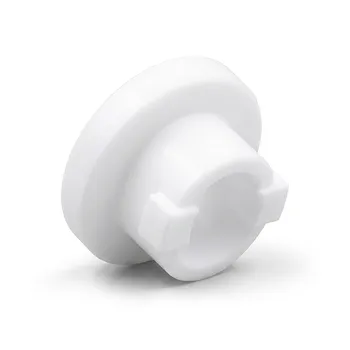
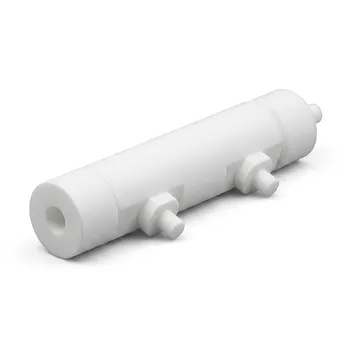
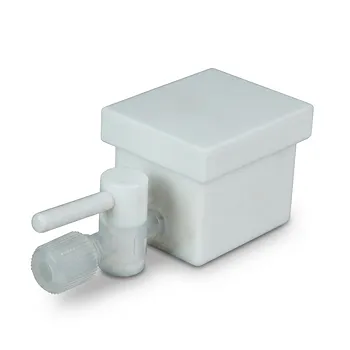
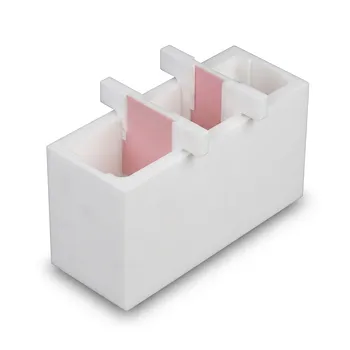
PTFE electrode jackets are specialized protective housings designed to isolate and protect electrochemical sensors in harsh environments. They function as a non-reactive barrier that provides high-performance electrical insulation while shielding internal conductors from chemical corrosion. By ensuring that electrochemical activity occurs only at the intended active tip, these jackets maintain measurement accuracy and extend the functional lifespan of working, reference, and counter electrodes.
PTFE electrode jackets provide a critical combination of chemical inertness and high dielectric strength, enabling precise electrochemical measurements in aggressive media. They serve as the primary defensive layer that prevents signal leakage and hardware degradation in environments where glass or metal housings would fail.
The Primary Functions of PTFE Jackets
Environmental Protection and Chemical Shielding
The most immediate function of a PTFE jacket is to act as a corrosion-resistant barrier for the electrode’s internal components. It protects the sensitive core and internal junctions from aggressive acids, bases, and volatile solvents that would otherwise degrade the sensor.
Signal Isolation and Precision
By encasing the electrode shaft, the jacket ensures that electrochemical reactions occur exclusively at the intended active tip. This isolation eliminates parasitic currents, side reactions, and "noise" that can occur along the length of the conductor, resulting in a cleaner and more accurate data signal.
Structural Support and Versatility
PTFE provides the necessary mechanical rigidity to support the electrode core while remaining lightweight. Because the material can be precision-machined or molded, it allows for various distal sealing zones and proximal connections to fit specific laboratory glassware or industrial process fittings.
Essential Material Properties
Unrivaled Chemical Inertness
PTFE features a robust carbon-fluorine backbone, making it virtually inert to almost all industrial chemicals and oxidizers. This property ensures the jacket does not react with the electrolyte or the sample, preventing contamination of the experiment.
Superior Dielectric and Electrical Insulation
With a volume resistivity exceeding 10¹⁸ Ω·cm and a dielectric strength of up to 60 MV/m, PTFE is an elite insulator. These properties minimize leakage currents and stray capacitance, ensuring the measured current represents only the faradaic processes at the electrode surface.
Wide Thermal Operating Range
PTFE jackets maintain their structural integrity and functional properties across an extreme temperature spectrum, typically from –200 °C to +250 °C. This stability allows for consistent performance in both cryogenic applications and high-temperature industrial reactions.
Hydrophobicity and Low Friction
The material’s hydrophobic nature and low coefficient of friction (as low as 0.05) prevent material buildup and "fouling" on the electrode body. This non-adhesive surface makes the sensors significantly easier to clean and maintain between uses.
Understanding the Trade-offs
Mechanical Creep and Deformation
While rigid, PTFE is susceptible to "creep," where the material slowly deforms under sustained mechanical load or high pressure. Engineers must account for this when designing seals or compression fittings to ensure the jacket maintains a tight fit over time.
Thermal Decomposition Limits
Although stable up to 250 °C, PTFE begins to undergo thermal decomposition if temperatures exceed 260 °C. At these extreme temperatures, the material can release irritant fumes and lose its structural properties, potentially compromising the sensor.
Potential for Slower Response Times
In ultra-low-conductivity media, the high electrical resistivity of the PTFE body can occasionally lead to a slower sensor response. While this is rarely an issue in standard electrolytes, it is a factor to consider in specialized high-purity water or solvent applications.
How to Apply This to Your Project
Making the Right Choice for Your Goal
- If your primary focus is Extreme Chemical Resistance: Utilize PTFE jackets for any application involving strong mineral acids or organic solvents where glass or epoxy would be etched or dissolved.
- If your primary focus is High-Precision Measurement: Rely on the high dielectric strength of PTFE to minimize "noise" and ensure that your potentiostat captures only the signals from the exposed electrode tip.
- If your primary focus is High-Temperature Operation: Ensure your process remains below the 250 °C threshold to prevent jacket deformation and the release of decomposition byproducts.
- If your primary focus is Easy Maintenance: Leverage the non-stick properties of PTFE in "dirty" samples to reduce cleaning frequency and prevent cross-contamination between batches.
By understanding the unique synergy between PTFE’s chemical stability and its electrical properties, you can significantly enhance the reliability of your electrochemical systems.
Summary Table:
| Feature | Primary Function | Key Material Property |
|---|---|---|
| Chemical Shielding | Protects internal components from corrosion | High Chemical Inertness |
| Signal Precision | Eliminates parasitic currents & signal noise | Superior Dielectric Strength |
| Thermal Stability | Reliable performance from -200°C to +250°C | Wide Temperature Range |
| Fouling Resistance | Prevents material buildup & easy cleaning | Hydrophobicity & Low Friction |
Optimize Your Electrochemical Performance with KINTEK
Upgrade your laboratory precision with high-performance fluoropolymer solutions from KINTEK. Whether you need standard labware or bespoke components, our expertise in PTFE and PFA fabrication ensures your equipment withstands the most aggressive environments.
Our Comprehensive Range Includes:
- Everyday Essentials: Beakers, measuring cylinders, crucibles, reagent bottles, and centrifuge tubes.
- Precision Instruments: High-purity trace analysis tools, cleaning tanks, and filtration equipment.
- Fluid Management: High-quality tubing, fittings, valves, and specialized seals.
- Advanced Reaction Apparatus: Custom electrochemical cells, battery testing fixtures, electrode accessories, and microwave digestion vessels.
From high-volume orders of general consumables to complex non-standard machined parts via our end-to-end custom CNC fabrication, KINTEK is your dedicated partner for high-performance fluoropolymer materials.
Ready to enhance your research reliability? Contact us today to discuss your custom project!
Related Products
- Custom PTFE Thermal Insulation Sleeves Laboratory Vessel Condensation Jackets Virgin Fluoropolymer Machined Components
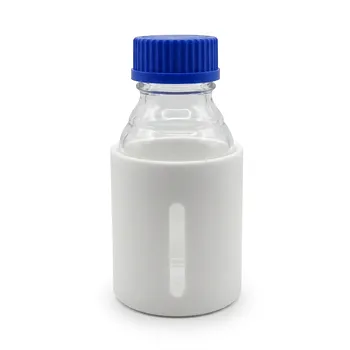
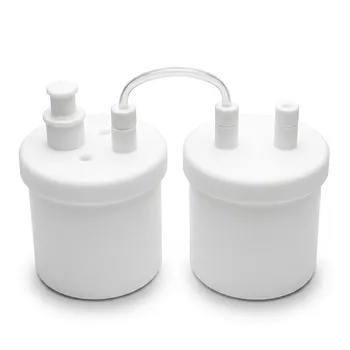
- Custom PTFE Absorption Bottle with Condensation Jacket Corrosion Resistant Low Background High Purity
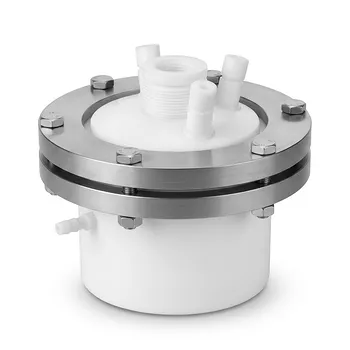
- Custom PTFE Reaction Apparatus Flange Sealed Corrosion Resistant Jacketed Vessel with Stirring Bar and Thermometer Ports
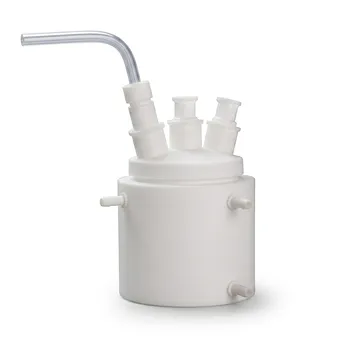
- PTFE Continuous Reaction System Jacketed Constant Pressure Dropping Funnel Corrosion Resistant HF Resistant Customizable
- PTFE Anti Scald Heat Insulation Sleeve Hot Plate Support Feet Laboratory Benchtop Protection Customizable Thermal Barrier
People Also Ask
- What is the temperature range for different types of PTFE polymer seal jackets? Find the Right Material for Extreme Temperatures
- Why is PTFE used in electrical applications? Unmatched Insulation for High-Performance Components
- How do PTFE electrode jackets benefit cyclic voltammetry and trace-metal analysis? Achieve High-Purity Precision
- What mechanical and fabrication advantages do PTFE electrode jackets provide? Strength & Precision for Lab Applications
- What are the technical limitations and safety considerations for PTFE electrode jackets? Master Thermal & Mechanical Limits