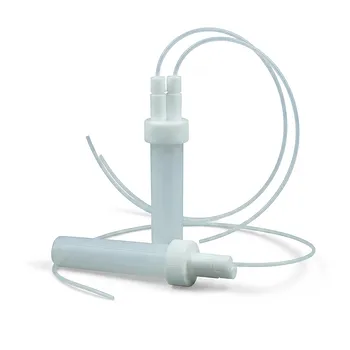
The hydrothermal synthesis process represents a paradigm shift in material fabrication. By leveraging pressurized aqueous environments, this method facilitates the creation of high-purity crystalline materials at significantly lower temperatures than conventional solid-state routes. Operationally, it streamlines production through shorter reaction times and precise phase control, while its sustainability is rooted in its use of water as a non-toxic solvent and its closed-system architecture.
Hydrothermal synthesis bridges the gap between high-performance material design and environmental responsibility. It utilizes pressurized water to achieve crystalline precision and purity at a lower energetic and environmental cost than traditional high-temperature manufacturing.
Enhancing Operational Efficiency and Product Quality
Superior Control Over Material Properties
Hydrothermal synthesis allows researchers to manipulate crystal habits and access metastable phases that are often unattainable through traditional high-temperature methods. This versatility enables the engineering of specific material characteristics that are critical for advanced technological applications.
High Purity and Uniformity
The process takes place within a sealed, controlled environment, which minimizes external contamination. This ensures that the final product achieves a level of high purity and structural uniformity that is difficult to replicate in open-system environments.
Optimized Production Timelines
Because the aqueous medium enhances chemical kinetics, the process operates at relatively low temperatures (typically 100°C to 300°C). These lower thermal requirements, combined with shorter reaction times, result in a more efficient use of energy and faster batch turnaround.
Sustainability Through Green Chemistry Principles
Utilization of Non-Toxic Solvents
The process uses water as the primary solvent, effectively replacing the hazardous or volatile organic solvents often required in other chemical synthesis routes. This shift drastically reduces the complexity of waste management and aligns with global green chemistry standards.
Zero-Emission Closed Systems
Operating within a sealed autoclave prevents the loss of reagents and virtually eliminates the release of volatile organic emissions into the atmosphere. This closed-loop approach ensures that materials are fully contained, maximizing reagent efficiency while protecting the laboratory environment.
Understanding Operational Risks and Trade-offs
High-Pressure Safety Requirements
The reliance on autogenous pressure—which can reach several hundred bars—necessitates strict adherence to safety protocols and the use of protective enclosures. Failure to respect the rated temperature or fill volume limits of the reactor can lead to catastrophic vessel failure.
Thermal Sensitivity and Cycle Times
To prevent thermal shock to the equipment or hazardous pressure releases, heating and cooling must be performed at gradual rates, typically ≤5 °C/min. While the core reaction time is short, the total operational cycle is extended by these mandatory, slow ramp-up and cool-down phases.
Equipment Corrosion and Maintenance
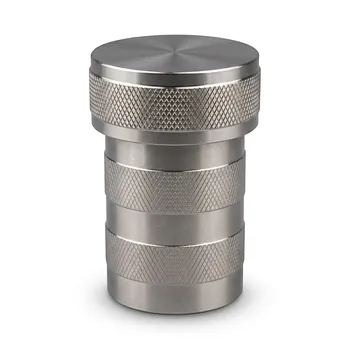
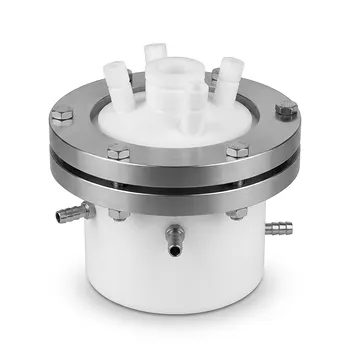
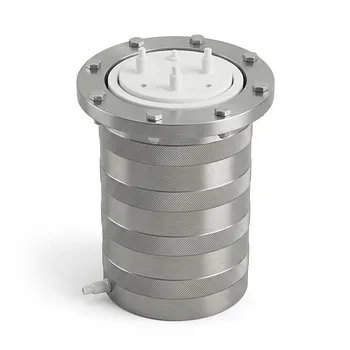
The combination of high pressure, heat, and aqueous solutions requires specialized hardware, such as stainless steel autoclaves with PTFE liners. Maintaining the integrity of these liners is critical to prevent the corrosive reaction environment from damaging the outer pressure vessel.
How to Maximize Benefits in Your Application
- If your primary focus is material purity: Prioritize the use of high-quality PTFE liners and sealed environments to eliminate cross-contamination during the growth phase.
- If your primary focus is energy reduction: Leverage the lower temperature requirements of the hydrothermal route to decrease the total carbon footprint of your synthesis protocols compared to kiln-based methods.
- If your primary focus is safety and compliance: Implement automated heating/cooling rate monitors and ensure fill volumes never exceed 80% to manage internal pressures safely and predictably.
By mastering the balance of pressure and temperature in an aqueous medium, you can produce superior materials while meeting the highest standards of operational efficiency and environmental stewardship.
Summary Table:
| Category | Key Benefit | Practical Impact |
|---|---|---|
| Operational | Precise Phase Control | Enables creation of high-purity crystalline materials and metastable phases. |
| Efficiency | Low Reaction Temperature | Operates at 100°C–300°C, reducing energy consumption and cycle times. |
| Sustainability | Aqueous Solvent | Uses water instead of hazardous organic solvents, simplifying waste management. |
| Environmental | Closed-Loop System | Prevents volatile emissions and maximizes reagent efficiency within sealed autoclaves. |
| Safety/Risk | Autogenous Pressure | Requires specialized hardware like PTFE-lined vessels to manage high-pressure safety. |
Optimize Your Hydrothermal Workflows with KINTEK
At KINTEK, we specialize in high-performance fluoropolymer solutions essential for the rigors of hydrothermal synthesis. Whether you are engineering advanced materials or scaling green chemistry protocols, our comprehensive range of PTFE and PFA laboratory supplies ensures unmatched purity and chemical resistance.
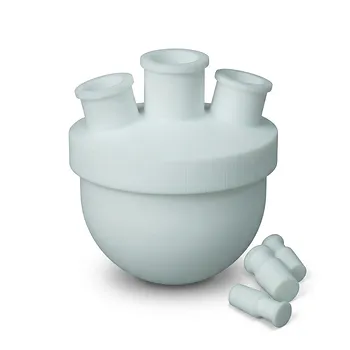
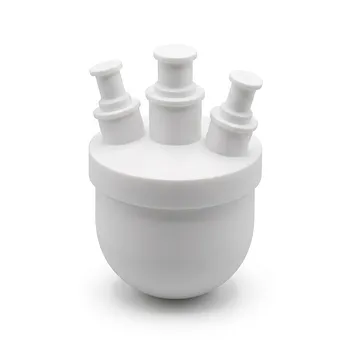
Our expertise spans from everyday labware—including beakers, crucibles, and high-purity tubing—to specialized reaction apparatus such as hydrothermal synthesis liners, microwave digestion vessels, and custom electrochemical cells. Backed by precision end-to-end custom CNC fabrication, we deliver everything from standard consumables like O-rings and gaskets to bespoke, non-standard machined parts tailored to your specific pressure and temperature requirements.
Ready to enhance your lab's efficiency and safety? Contact our fluoropolymer experts today to discuss your custom laboratory setup!
Related Products
- High Temperature Corrosion Resistant Hydrothermal Synthesis Reactor with TFM Inner Liner and Straight Cylinder Design
- PTFE Lined High Pressure Digestion Vessel 50ml High Temperature Hydrothermal Synthesis Tank
- High Temperature PTFE Reaction Flask 1000ml Single Neck Round and Flat Bottom Laboratory Bottle
- Custom High Purity PTFE Multi Neck Flask 200ml Chemical Synthesis Reaction Vessel
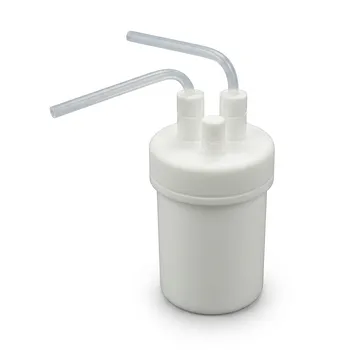
- Custom PTFE Continuous Reaction Bottles Virgin Fluoropolymer High Purity Low Background Synthesis Vessels
People Also Ask
- What is the role of a corrosion-resistant reactor in the synthesis of lignin-based carbon dots? Ensure Maximum Purity
- What are the technical advantages of using hydrothermal synthesis reactors for advanced electronic & optical nanomaterials?
- How does a hydrothermal synthesis reactor facilitate the production of crystalline materials with tailored morphologies? Precision Crystal Growth
- Why is the sealing reliability of a hydrothermal synthesis reactor critical for 24-hour cycles? Ensure Nano-Precision
- What role do hydrothermal synthesis reactors play in CQD preparation? Achieve High-Purity Nanomaterial Synthesis