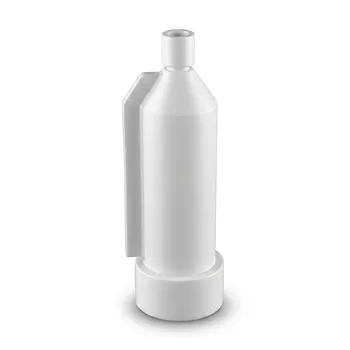
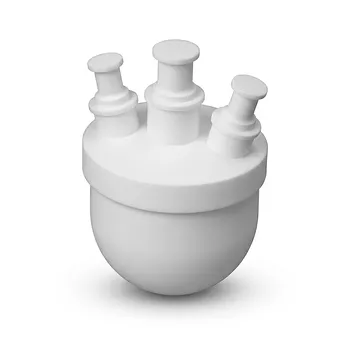
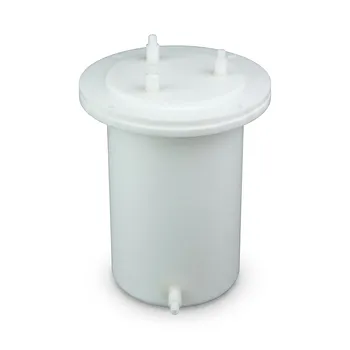
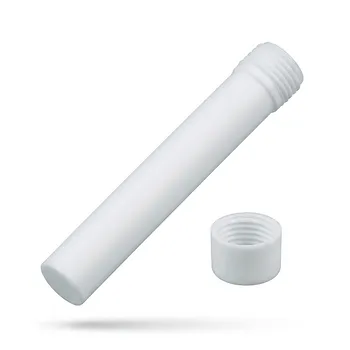
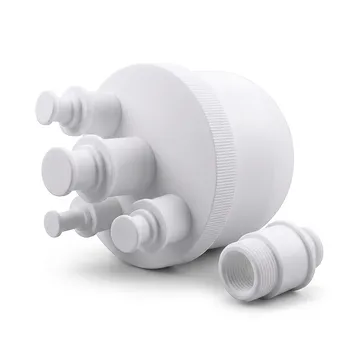
Selecting the correct reactor materials is the most critical step in ensuring experimental validity. For toluene oxidation experiments using organic electrolytes like acetonitrile (MeCN), you must utilize high-purity fluoropolymers—specifically PTFE (Polytetrafluoroethylene) or PFA (Perfluoroalkoxy)—for all wetted components, including reaction vessels, seals, and cap liners. These materials provide the necessary chemical inertness to withstand aggressive organic solvents without leaching impurities or allowing solvent loss.
To maintain the integrity of toluene oxidation studies, reactor components must prioritize chemical compatibility and hermetic sealing. Using high-purity fluoropolymers prevents system contamination and solvent evaporation, both of which are essential for the accurate calculation of product selectivity and reaction yields.
The Necessity of High-Purity Fluoropolymers
Superior Chemical Resistance
Acetonitrile and toluene are aggressive organic reagents that can degrade standard laboratory plastics or low-grade elastomers. PTFE and PFA are chosen because they offer near-universal chemical resistance, ensuring the reactor wall does not participate in or succumb to the reaction.
Mitigation of Impurity Leaching
Inferior materials can leach plasticizers, monomers, or metallic traces into the organic electrolyte. This leaching can lead to catalyst poisoning or the introduction of artifacts that interfere with sensitive quantitative analyses like Gas Chromatography (GC).
Preservation of Reaction Volume
MeCN is a volatile solvent, and any loss through evaporation can skew the concentration of the electrolyte and products. Using fluoropolymer-based cap liners ensures a tight seal that prevents evaporation, which is critical for the precision of quantitative analysis and selectivity calculations.
Critical Sealing and Structural Considerations
Seal Compatibility with MeCN
Standard O-rings made of materials like Nitrile or Viton may swell or fail when exposed to acetonitrile over long durations. Encapsulated PTFE seals or pure PFA components are required to maintain a secure environment without sacrificing chemical resistance.
Impact on Quantitative Analysis
The high purity of the reaction system is directly linked to the accuracy of product selectivity calculations. By eliminating external contaminants and preventing solvent loss, researchers ensure that the measured products originate solely from the toluene oxidation process.
Understanding the Trade-offs
Mechanical Strength and Creep
While PTFE is exceptionally inert, it is susceptible to "cold flow" or creep when subjected to sustained mechanical pressure. In high-pressure oxidation experiments, fluoropolymers are often used as internal liners within stainless steel vessels rather than as the primary structural material.
Thermal Conductivity Challenges
Fluoropolymers are effective thermal insulators, which can result in a significant lag in heat transfer. When conducting temperature-sensitive experiments, users must account for the slower thermal response compared to glass or metal reactors to ensure precise temperature control.
Cost and Material Handling
High-purity PFA and PTFE components are significantly more expensive than standard labware. Additionally, these materials can be softer than glass, requiring careful handling to avoid scratching surfaces where trace impurities could potentially lodge.
Making the Right Choice for Your Goal
- If your primary focus is maximum analytical purity: Use PFA vessels and liners, as PFA generally offers a smoother surface finish and lower trace-element leaching than standard PTFE.
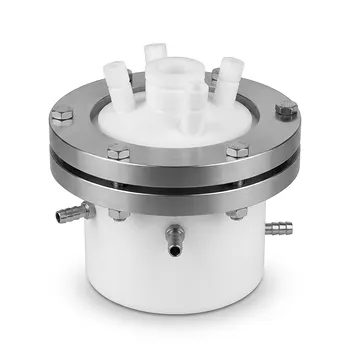
- If your primary focus is high-pressure safety: Employ PTFE-lined stainless steel reactors to combine the chemical inertness of fluoropolymers with the structural integrity of metal.
- If your primary focus is preventing solvent loss: Prioritize fluoropolymer-faced silicone septa or gaskets to ensure a gas-tight seal during long-duration experiments.
Selecting the correct fluoropolymer components transforms your reactor from a simple container into a controlled, high-integrity environment for advanced chemical synthesis.
Summary Table:
| Material | Key Advantage | Best Application Case |
|---|---|---|
| PTFE | Universal chemical resistance; cost-effective liners | High-pressure vessels and standard seals |
| PFA | Ultra-smooth surface; lowest trace-element leaching | High-sensitivity analytical experiments |
| Encapsulated PTFE | Maintains seal integrity without swelling | Gaskets and O-rings exposed to MeCN/Toluene |
| PTFE-Lined Steel | Combines chemical inertness with structural strength | High-pressure oxidation reactions |
Elevate Your Research with KINTEK’s Expertly Crafted PTFE and PFA Labware
Whether you require everyday basic labware—such as beakers, crucibles, reagent bottles, and digestion tubes—or high-purity trace analysis instruments and fluid transfer components (tubing, fittings, valves), KINTEK provides the chemical inertness your toluene oxidation experiments demand.
Our expertise extends from sample prep tools like separatory funnels and filters to advanced reaction apparatus, including custom electrochemical cells, battery testing fixtures, and hydrothermal synthesis liners. Backed by end-to-end custom CNC fabrication, we deliver everything from complex non-standard machined parts to high-volume orders with an exclusive focus on high-performance fluoropolymer materials.
Partner with KINTEK for your bespoke laboratory needs today.
References
- Haiwen Shi, Jingshan Luo. BiVO <sub>4</sub> /BiOCl heterostructure photoanodes for highly selective photoelectrochemical oxidation of benzylic C(sp <sup>3</sup> )–H bonds. DOI: 10.1039/d5sc03295d
This article is also based on technical information from Kintek Knowledge Base .
Related Products
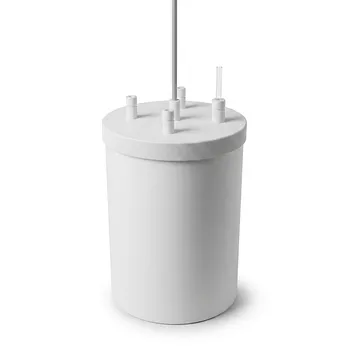
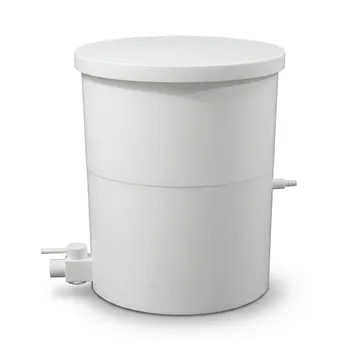
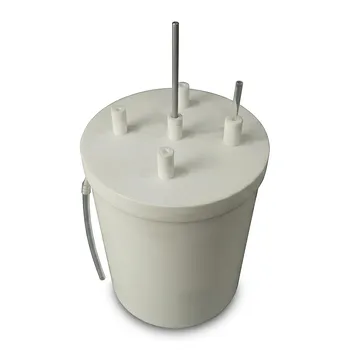
- High Purity PTFE Reaction Vessel Polyfluortetraethylene Cylindrical Tank Petrochemical Reaction Container
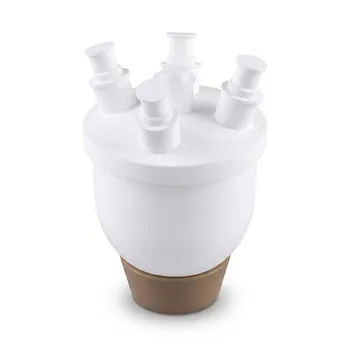
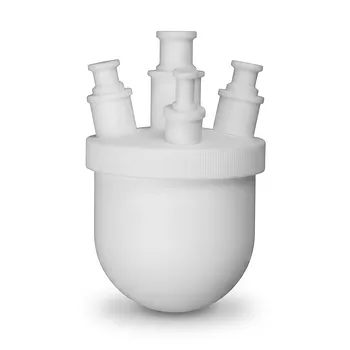
- High Performance Customizable PTFE Reaction Vessel and Corrosion Resistant Polytetrafluoroethylene Flask for Chemical Laboratory Use
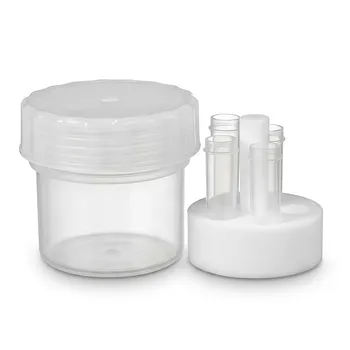
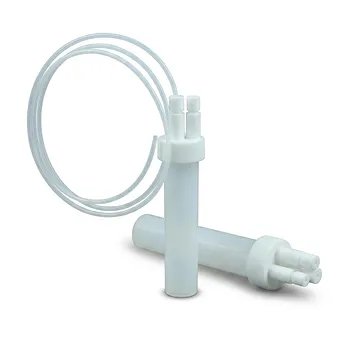
- Corrosion Resistant PTFE Support with PFA Transparent Reaction Tank and High Purity PFA Sampling Tube for Trace Analysis
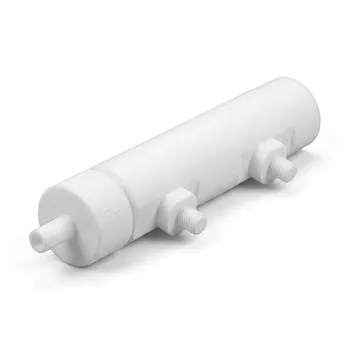
- High Purity Custom PTFE Laboratory Reaction Tank with Baffles for Low Background Trace Analysis
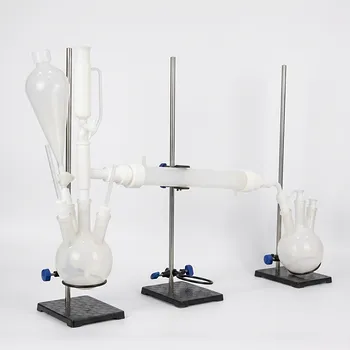
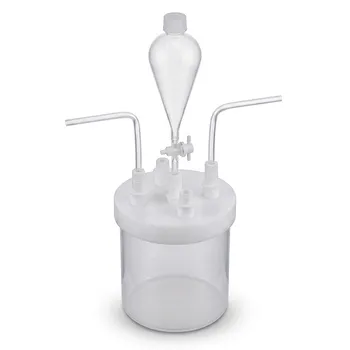
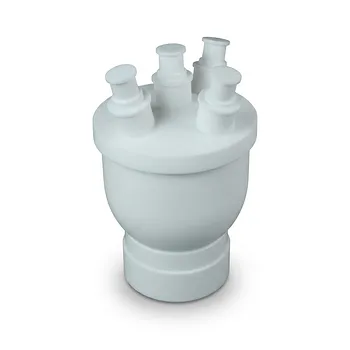
- High Purity PFA Constant Pressure Condensation Reaction System Acid Resistant High Temperature Customizable Teflon Labware
People Also Ask
- What reaction vessel and fluid handling considerations are necessary for living cationic polymerization of fluorinated monomers involving Lewis acid catalysts? Key design and safety tips
- Why are high-purity PTFE or PFA reaction vessels recommended for the synthesis of PANI-TiC hybrid materials? - Guide
- Ion Activation Reaction Vessel Requirements: Why PTFE is Critical for Membrane Performance
- Why are fluoroplastic (PTFE) reaction vessels recommended for Methylene Blue (MB) adsorption kinetic experiments?
- Why is a PTFE reaction vessel required for Ti3C2Tx MXene synthesis? Ensure Safe HF Etching & High Purity