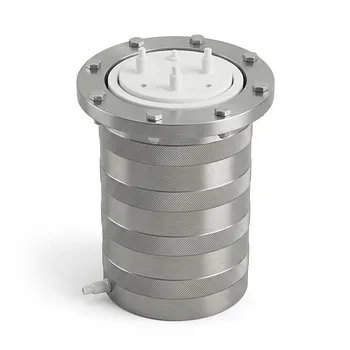
The solvothermal synthesis of hollow CuO/C composites demands specialized pressure-containment hardware. To safely execute this process using organic solvents like ethanol or ethylene glycol, you require a reaction vessel—typically a stainless steel autoclave—with a high-pressure safety rating and chemically resistant seals. These specifications are essential to withstand the significant autogenous pressure generated as solvents reach subcritical or supercritical states, which is necessary for the precise formation of hollow cubic structures.
Solvothermal synthesis relies on high-pressure autoclaves to facilitate the directional crystallization of metal precursors onto carbon templates. To achieve the desired hollow morphology, the equipment must maintain structural integrity and seal-tightness under extreme thermal and chemical stress.
Managing High Autogenous Pressure
The Necessity of High-Pressure Safety Ratings
Organic solvents used in this process, such as ethanol or ethylene glycol, expand rapidly when heated within a sealed environment. This creates high autogenous pressure that far exceeds atmospheric levels, requiring vessels specifically engineered and certified for high-pressure operations.
Achieving Subcritical and Supercritical Conditions
The equipment must be capable of reaching the subcritical or supercritical states of the chosen organic solvent. These states are vital for the directional crystallization of metal precursors, allowing them to form regular hollow cubic structures on the carbon templates.
Material Compatibility and Sealing
Solvent-Resistant Sealing Components
Standard seals may degrade or swell when exposed to organic solvents at elevated temperatures. It is critical that all sealing components are verified for chemical compatibility with the specific solvents used to prevent leaks and maintain internal pressure.
Ensuring Chemical Inertness
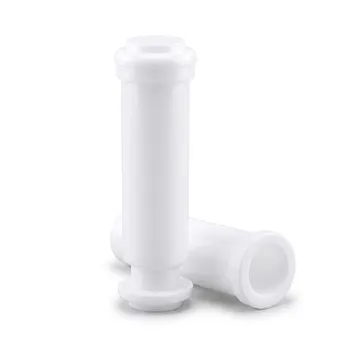
The internal surfaces of the reaction equipment should be resistant to both the organic solvents and the metal precursors. Using chemically inert liners ensures that the equipment does not interfere with the synthesis process or become corroded by the reaction mixture.
Understanding the Trade-offs
Safety Risks of Over-Pressurization
While high pressure is required for the synthesis, exceeding the vessel's rated capacity can lead to catastrophic mechanical failure. Operators must strictly adhere to filling degree limits to leave enough headspace for solvent expansion.
Degradation of Sealing Materials
Frequent thermal cycling can cause even solvent-resistant seals to become brittle or lose their elasticity over time. Routine inspection and replacement of seals are necessary costs to ensure consistent results and operator safety.
Optimizing Your Synthesis Environment
Selecting the right hardware is a balance between safety, chemical compatibility, and the specific structural goals of your composite material.
- If your primary focus is structural regularity: Ensure your vessel can reliably maintain the specific subcritical temperatures required for directional crystallization on carbon templates.
- If your primary focus is laboratory safety: Select equipment with integrated pressure-relief mechanisms and high-grade stainless steel construction that exceeds your calculated autogenous pressure.
- If your primary focus is solvent flexibility: Invest in high-performance sealing materials, such as specialized fluoropolymers, that are compatible with a wide range of organic solvents.
By prioritizing pressure-rated hardware and chemical compatibility, you create the stable environment necessary for the precise engineering of hollow CuO/C architectures.
Summary Table:
| Equipment Component | Key Requirement | Purpose in Synthesis |
|---|---|---|
| Reaction Vessel | Stainless Steel Autoclave | Withstand high autogenous pressure during heating |
| Inner Liner | PTFE or PFA Material | Ensure chemical inertness and protect the vessel from corrosion |
| Sealing System | Solvent-Resistant Fluoropolymer | Prevent leaks and maintain pressure at supercritical states |
| Safety Mechanism | Pressure-Relief Valves | Prevent mechanical failure due to over-pressurization |
| Temperature Control | High-Precision Thermal Unit | Achieve subcritical conditions for directional crystallization |
Elevate your solvothermal synthesis with KINTEK’s high-performance laboratory solutions. From standard PTFE and PFA liners for hydrothermal synthesis and microwave digestion to custom-machined fluid transfer components, we provide the extreme chemical resistance and pressure stability your research demands. Whether you need high-purity trace analysis tools, specialized reaction apparatus like electrochemical cells, or high-volume lab consumables like tubes and filters, KINTEK’s end-to-end CNC fabrication ensures precision for every non-standard part. Achieve superior CuO/C composite structures and ensure lab safety—contact KINTEK for bespoke fluoropolymer labware today!
References
- Oladipo Folorunso, Williams Kehinde Kupolati. Sustainable metal oxides and their composites for lithium-ion batteries and multifunctional applications. DOI: 10.1007/s10853-025-11231-8
This article is also based on technical information from Kintek Knowledge Base .
Related Products
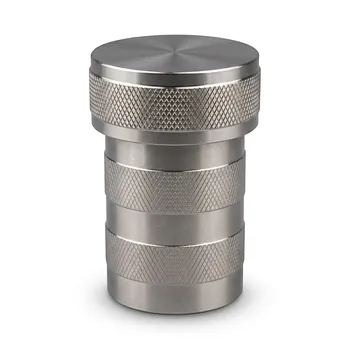
- PTFE Lined High Pressure Digestion Vessel 50ml High Temperature Hydrothermal Synthesis Tank
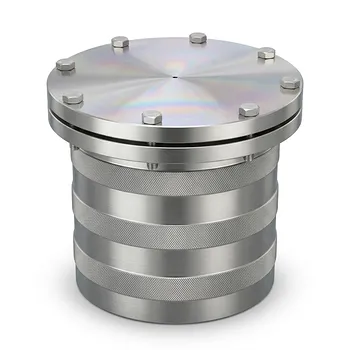
- High Temperature Corrosion Resistant Hydrothermal Synthesis Reactor with TFM Inner Liner and Straight Cylinder Design
- Custom TFM Reaction Vessel with Stainless Steel Jacket and PTFE Inner Cup for High Corrosion Resistance
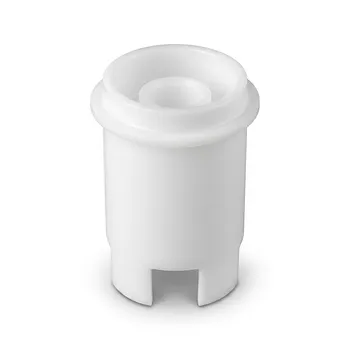
- High Pressure PTFE Digestion Vessel Inner Cup Holder Custom Corrosion Resistant Low Background Teflon
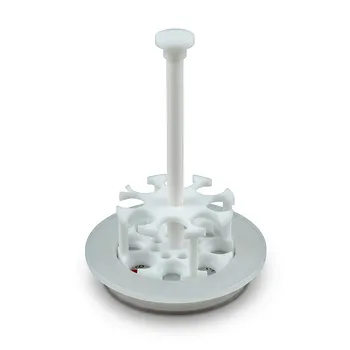
- High Performance TFM Microwave Digestion Vessel Rack 15 Position Customizable Sample Preparation Support
People Also Ask
- What are the benefits of using a PTFE-lined vessel for carbon-sulfur cathode treatment? Maximize Purity & Performance
- Why are PTFE-lined pressure digestion vessels required for the preparation of Ag/CeO2 catalysts? Purity & Performance
- What safety features are typically incorporated into high-pressure PTFE digestion vessel designs? Ensure Lab Safety
- What is the function of PTFE lined high-pressure vessels in g-C3N4 synthesis? Achieve High-Purity Material Growth
- Role of High-Pressure Digestion Tanks in Perovskite Synthesis: Achieve Superior Stability and Latent Heat