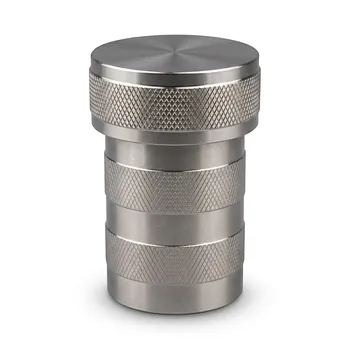
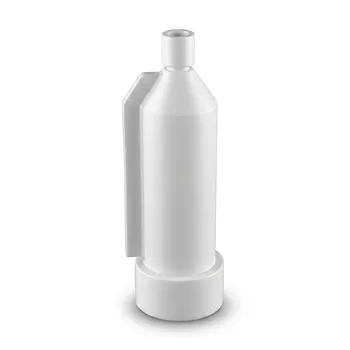
The standard wall thickness for hydrothermal reactor linings typically ranges from 2 mm to 5 mm. This specific thickness is engineered to provide a robust chemical barrier while maintaining high thermal efficiency. Because these linings are kept relatively thin, the reaction medium can reach the desired temperature quickly despite the naturally insulating properties of common lining materials.
Core Takeaway: To ensure efficient heat transfer, hydrothermal reactors utilize thin-walled linings (2–5 mm) made of PTFE or PPL. This design balances the need for extreme chemical resistance with the requirement for rapid temperature equilibration within the reaction chamber.
Standard Thickness Specifications for Linings
The 2 mm to 5 mm Standard
Most laboratory-grade hydrothermal reactors utilize a lining thickness between 2 mm and 5 mm. This range is widely considered the "sweet spot" for balancing structural integrity with thermal performance.
Material-Specific Thickness
While the 2–5 mm range is standard for PTFE (Polytetrafluoroethylene) and PPL (Polyphenylene polymers), specialized linings like quartz or precious metals may vary. However, even these specialty materials adhere to thin-wall principles to ensure the reactor remains responsive to external temperature changes.
Impact on Reaction Volume
The thickness of the lining directly influences the effective internal volume of the reactor. Manufacturers calibrate these measurements so that the specified capacity (e.g., 100ml) accounts for the space occupied by the 5 mm wall.
The Relationship Between Thickness and Heat Transfer
Overcoming Low Thermal Conductivity
Lining materials like PTFE and PPL are excellent insulators with significantly lower thermal conductivity than the stainless-steel outer shell. If these linings were significantly thicker, they would act as a heat shield, preventing the internal medium from reaching the set temperature.
Achieving Rapid Temperature Equilibration
The relative thinness of the lining (under 5 mm) ensures that overall temperature equilibration remains rapid. This allows heat to conduct through the steel and the liner efficiently enough to meet the experimental ramp-up times required for synthesis.
Thermal Lag Considerations
Even with a thin wall, there is a slight thermal lag between the external heating element and the internal solution. The 2–5 mm specification is designed to keep this lag predictable and manageable for researchers.
Understanding the Trade-offs
Chemical Protection vs. Thermal Responsiveness
A thicker lining (above 5 mm) provides a more substantial barrier against aggressive solvents and high pressures, potentially extending the liner's life. However, this comes at the cost of increased heating times and potential discrepancies between the controller's temperature and the actual internal temperature.
Mechanical Stability vs. Heat Flow
If a lining is too thin (below 2 mm), it may deform or crack under the high-pressure conditions of hydrothermal synthesis. The current industry standard ensures the liner is thick enough to maintain its shape while remaining thin enough to facilitate heat flow.
Temperature Limits of Lining Materials
The choice of material also dictates the safe operating window for heat transfer. PTFE is generally limited to 200–220 °C, while PPL can handle higher demands of 240–280 °C; exceeding these limits can cause the lining to soften, regardless of wall thickness.
How to Apply This to Your Project
Making the Right Choice for Your Goal
When selecting or maintaining a hydrothermal reactor, consider how the lining thickness aligns with your specific experimental requirements.
- If your primary focus is rapid thermal cycling: Ensure your liner is on the thinner end of the specification (closer to 2 mm) to minimize thermal lag.
- If your primary focus is long-term durability with aggressive acids: Opt for a higher-quality PPL liner or a standard 5 mm thickness to ensure the barrier remains intact over multiple uses.
- If your primary focus is extreme temperature synthesis (above 280 °C): Move away from polymer linings and consider specialty materials like quartz glass or gold-plated inserts.
By understanding the balance between wall thickness and thermal conductivity, you can ensure your hydrothermal synthesis is both safe and scientifically accurate.
Summary Table:
| Feature | Standard Specification | Impact on Performance |
|---|---|---|
| Wall Thickness | 2 mm – 5 mm | Balances structural integrity with thermal efficiency. |
| Common Materials | PTFE or PPL | Provides extreme chemical resistance and high-pressure stability. |
| Thermal Lag | Minimal | Thin-walled design ensures rapid temperature equilibration. |
| Volume Impact | Calibrated | Internal capacity (e.g., 100ml) accounts for the 5mm liner wall. |
| Temperature Limits | 200°C (PTFE) / 280°C (PPL) | Defines the safe operating window for heat transfer. |
Elevate Your Synthesis with KINTEK’s Fluoropolymer Expertise
Maximize the efficiency of your hydrothermal reactions with high-performance linings and custom laboratory solutions from KINTEK. We specialize in high-performance fluoropolymer materials, offering an unparalleled range of supplies from everyday basic labware (beakers, crucibles, and reagent bottles) to advanced reaction apparatus like hydrothermal synthesis liners, microwave digestion vessels, and custom electrochemical cells.
Our end-to-end custom CNC fabrication allows us to deliver everything from high-volume standard orders to complex, non-standard machined parts designed for your unique research needs. Whether you require fluid transfer components, sample prep tools, or specialized battery testing fixtures, KINTEK ensures absolute precision and durability.
Ready to optimize your lab’s thermal performance? Contact us today to discuss your custom PTFE and PFA requirements with our engineering team.
Related Products
- High Temperature Corrosion Resistant Hydrothermal Synthesis Reactor with TFM Inner Liner and Straight Cylinder Design
- PTFE Lined High Pressure Digestion Vessel 50ml High Temperature Hydrothermal Synthesis Tank
- High Pressure Custom TFM Reactor Stainless Steel Outer Vessel PTFE Inner Cup for Corrosive Synthesis
- Custom TFM Reaction Vessel with Stainless Steel Jacket and PTFE Inner Cup for High Corrosion Resistance
- High Purity PTFE Corrosion Resistant Reaction Vessel with Luer Fittings and Caps for Trace Analysis
People Also Ask
- What is the role of a corrosion-resistant reactor in the synthesis of lignin-based carbon dots? Ensure Maximum Purity
- What are the technical advantages of using hydrothermal synthesis reactors for advanced electronic & optical nanomaterials?
- How does a hydrothermal synthesis reactor facilitate the production of crystalline materials with tailored morphologies? Precision Crystal Growth
- Why is the sealing reliability of a hydrothermal synthesis reactor critical for 24-hour cycles? Ensure Nano-Precision
- What role do hydrothermal synthesis reactors play in CQD preparation? Achieve High-Purity Nanomaterial Synthesis