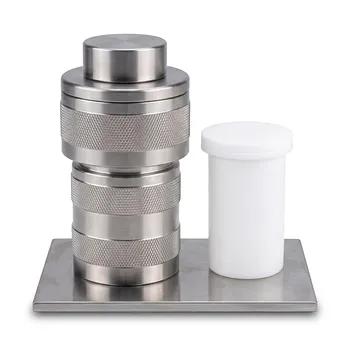
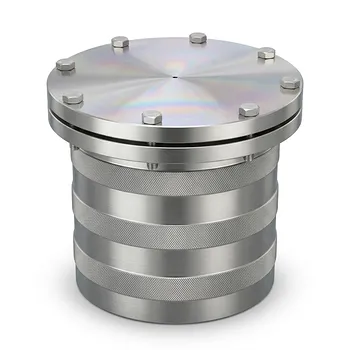
Hydrothermal synthesis reactor liners are primarily constructed from Polytetrafluoroethylene (PTFE) or Polyphenylene Polymer (PPL). PTFE is the standard choice for reactions up to 220 °C, while PPL liners are required for higher temperature applications, extending the safe operating range up to 280 °C.
The selection of a reactor liner is a balance between thermal stability and chemical inertia. While polymers like PTFE and PPL suffice for most laboratory syntheses, specialized applications involving extreme temperatures or aggressive solvents may necessitate the use of precious metals or quartz glass.
The Standard: Polymer-Based Liners
Polytetrafluoroethylene (PTFE) Properties
PTFE is the most common liner material due to its exceptional chemical resistance and non-stick surface. It is suitable for a wide range of acidic and alkaline environments, generally operating safely up to 200–220 °C.
Polyphenylene Polymer (PPL) for High Heat
When the synthesis requires temperatures exceeding the limits of PTFE, PPL (Polyphenylene Polymer) is the preferred alternative. This material maintains its structural integrity at elevated temperatures, typically providing a safe operating window of 240–280 °C.
Perfluoroalkoxy (PFA) for High Purity
PFA liners are often utilized alongside PTFE in environments requiring extreme chemical inertia. They are particularly effective when working with strong acids like sulfuric acid or organic solvents, ensuring no leaching occurs during the reaction.
Specialized and Metallic Liners
Precious Metals for Aggressive Chemistry
In specialized industrial or research applications involving extremely corrosive solutions, liners may be crafted from gold, platinum, or silver. these materials offer unparalleled resistance to oxidation and chemical attack at high pressures.
Alternative Industrial Materials
Liners can also be constructed from quartz glass, titanium, or copper. Quartz is often chosen for its transparency and resistance to thermal shock, while titanium and copper are selected based on specific catalytic or electrochemical requirements of the reaction.
The Functional Role of the Liner
Preventing Metal Ion Contamination
The liner acts as a critical barrier between the reaction mixture and the stainless steel autoclave wall. This isolation is essential to prevent metal ions from the reactor shell from leaching into the solution, which would otherwise compromise the purity of the synthesized crystals or catalysts.
Morphological Control and Recovery
The non-stick properties of polymer liners, particularly PTFE, are vital for the recovery of nanomaterials. A clean, inert interface ensures that the growth of crystals is not influenced by the vessel walls, allowing for precise control over the resulting morphology.
Protecting the Structural Shell
Hydrothermal synthesis involves high-pressure aqueous solutions that can be highly corrosive to metal. The liner prevents the reaction media from attacking the outer pressure-bearing vessel, extending the lifespan of the equipment and ensuring operator safety.
Understanding the Trade-offs and Risks
Temperature Overshoot Hazards
Exceeding the rated temperature of a polymer liner can lead to permanent deformation or "creeping." If a PTFE liner softens too much under heat, it may fuse with the stainless steel shell or leak, potentially causing the autoclave to fail.
Pressure Limitations
While the liner handles chemical compatibility, the outer stainless steel shell handles the pressure. If a liner fails or is improperly seated, the internal pressure can force corrosive liquids into the threads of the reactor, leading to catastrophic structural failure over time.
Material Compatibility and Cooling
Different materials expand and contract at different rates. Rapid cooling of a reactor can cause thermal stress between the liner and the shell, potentially cracking quartz liners or causing polymer liners to lose their seal.
How to Select the Correct Liner for Your Project
Choosing the right liner depends on the intersection of your chemical environment and your thermal requirements.
- If your primary focus is standard synthesis below 200 °C: Utilize a high-purity PTFE liner for its cost-effectiveness and excellent non-stick properties.
- If your primary focus is high-temperature reactions up to 280 °C: Opt for a PPL liner to ensure structural integrity and safety at elevated thermal levels.
- If your primary focus is avoiding metal trace contamination in catalysts: Stick strictly to high-purity PTFE or PFA to ensure a completely inert reaction environment.
- If your primary focus is using highly aggressive acids at high heat: Consider quartz or precious metal liners if polymer alternatives cannot withstand the specific chemical attack.
Matching the liner material to the specific thermal and chemical demands of your synthesis is the most critical step in ensuring both the purity of your results and the safety of your laboratory environment.
Summary Table:
| Material | Max Safe Temperature | Key Characteristics | Best For |
|---|---|---|---|
| PTFE | 200–220 °C | Non-stick, exceptional chemical resistance | Standard synthesis, cost-effective purity |
| PPL | 240–280 °C | High thermal stability, structural integrity | High-temperature hydrothermal reactions |
| PFA | ~220 °C | Ultra-high purity, extreme chemical inertia | Trace analysis, aggressive acid digestion |
| Quartz | High (Varies) | Transparency, thermal shock resistance | Visual observation, specialized industrial use |
| Precious Metals | High (Varies) | Oxidation resistance, extreme durability | Highly corrosive, specialized research |
Precision-Engineered Hydrothermal Solutions with KINTEK
Elevate your research with high-performance laboratory supplies from KINTEK. We specialize in high-performance fluoropolymer materials, offering an extensive range of products from everyday basic labware—including PFA beakers, crucibles, and reagent bottles—to advanced hydrothermal synthesis liners and microwave digestion vessels.
Whether you need standard PTFE/PPL liners or bespoke laboratory setups, our end-to-end custom CNC fabrication ensures we can deliver complex non-standard machined parts tailored to your exact specifications. From high-purity trace analysis instruments to comprehensive fluid transfer components (tubing, fittings, valves), KINTEK provides the chemical inertia and thermal stability your experiments demand.
Ready to optimize your synthesis workflow?
Contact KINTEK Today for Custom Lab Solutions
Related Products
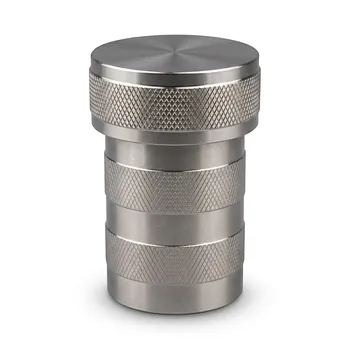
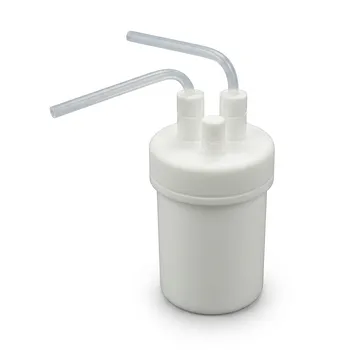
- High Temperature Corrosion Resistant Hydrothermal Synthesis Reactor with TFM Inner Liner and Straight Cylinder Design
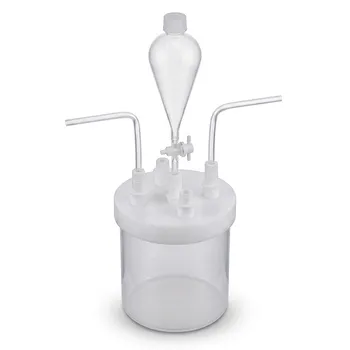
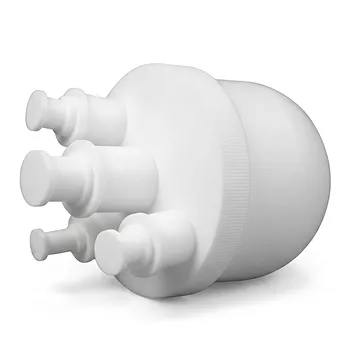
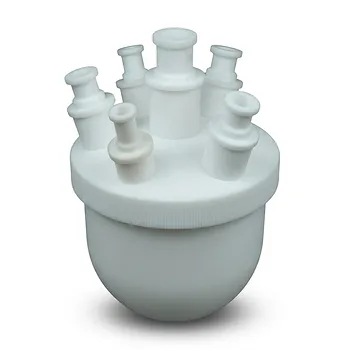
- High Purity PFA Reaction Vessel for Biopharmaceutical Synthesis and Corrosive Chemical Fluid Handling with Customizable Tube Fittings
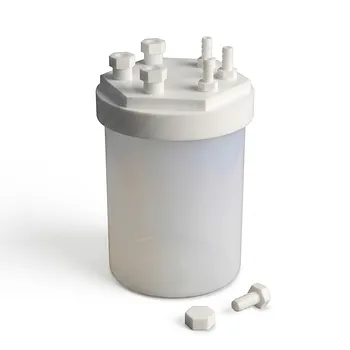
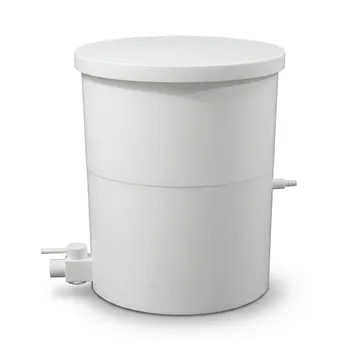
- PFA Reaction Tank 6L Customizable Fittings Corrosion Resistant Solvent Resistant PFA Reaction Bottle for New Material Synthesis
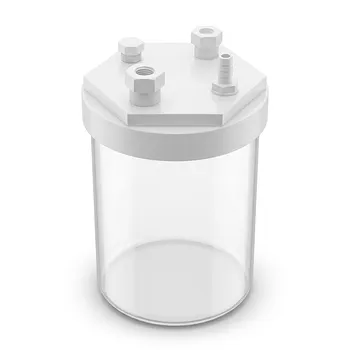
- PFA Chemical Reaction Tank with Customizable Fittings for Corrosive Solvent Synthesis and High Purity Lab Applications
- Customizable PFA Reaction Tank 6L High Purity Corrosion Resistant Reaction Bottle for New Material Synthesis and Chemical Processing
People Also Ask
- What is the role of a corrosion-resistant reactor in the synthesis of lignin-based carbon dots? Ensure Maximum Purity
- What are the technical advantages of using hydrothermal synthesis reactors for advanced electronic & optical nanomaterials?
- How does a hydrothermal synthesis reactor facilitate the production of crystalline materials with tailored morphologies? Precision Crystal Growth
- Why is the sealing reliability of a hydrothermal synthesis reactor critical for 24-hour cycles? Ensure Nano-Precision
- What role do hydrothermal synthesis reactors play in CQD preparation? Achieve High-Purity Nanomaterial Synthesis