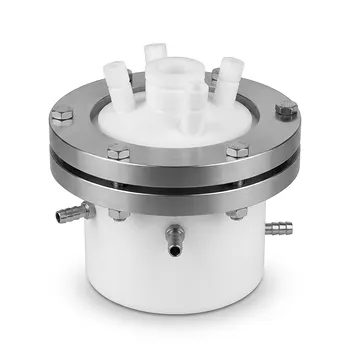
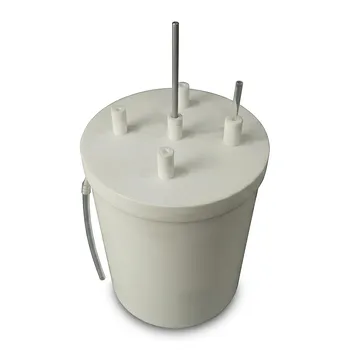
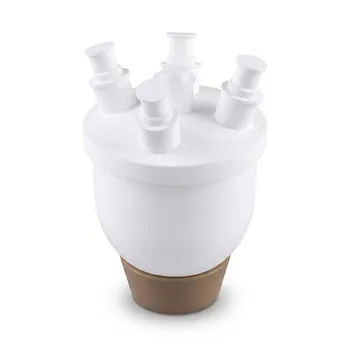
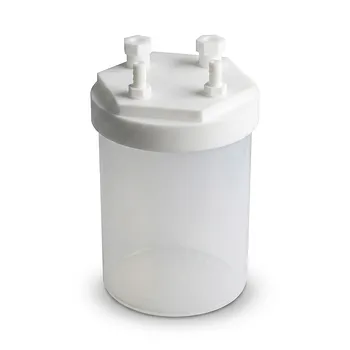
Pressurized reactors provide the critical thermal and kinetic energy required to dissolve Iridium, a process that is effectively stalled at atmospheric pressure. By operating at elevated temperatures (e.g., 120°C) and pressures (e.g., 4 bar) with hydrochloric acid and chlorine gas, these systems transform a sluggish, inefficient chemical reaction into a high-yield industrial operation.
Core Takeaway: Transitioning from atmospheric to pressurized vessels overcomes Iridium’s natural chemical resistance, enabling complete metal recovery and drastically shortening production timelines through accelerated reaction kinetics.
Overcoming the Kinetic Barriers of Iridium
The Limitation of Atmospheric Pressure
Iridium is one of the most corrosion-resistant metals known, dissolving very slowly in acids under normal conditions.
At atmospheric pressure, the boiling point of hydrochloric acid limits the maximum reaction temperature, which prevents the system from reaching the energy threshold required for efficient dissolution.
How Pressure Accelerates Reaction Rates
Elevating the internal pressure of the reactor to approximately 4 bar allows the liquid phase to remain stable at temperatures as high as 120°C.
This temperature increase, combined with the higher concentration of dissolved chlorine gas (Cl2) forced into the solution by pressure, significantly accelerates the chemical attack on the metal.
Operational Efficiency and Material Recovery
Shortening Production Cycles
Because the reaction occurs at a much higher velocity, the time required to process a single batch is substantially reduced.
This reduction in residence time allows precious metal refineries to increase their annual throughput and respond more quickly to market demands.
Achieving Complete Dissolution of PGMs
Pressurized environments ensure the total dissolution of both Iridium and its accompanying Platinum Group Metals (PGMs).
By eliminating undissolved residues, facilities can achieve higher resource recovery rates, ensuring that no valuable metal is lost in the solid waste stream.
Understanding the Trade-offs and Challenges
Equipment Complexity and Safety
Operating with chlorine gas and hydrochloric acid at high temperatures and pressures requires sophisticated, corrosion-resistant materials like tantalum or specialized polymers.
The increased pressure introduces safety complexities that necessitate robust pressure-relief systems, specialized seals, and advanced monitoring to prevent hazardous leaks.
Higher Capital and Maintenance Costs
The initial investment for a pressurized reactor system is significantly higher than that of a standard atmospheric vessel.
Additionally, the aggressive nature of the pressurized chemicals requires more frequent inspections and specialized maintenance to ensure the structural integrity of the reactor over time.
How to Apply This to Your Process
Achieving efficient Iridium dissolution requires balancing your recovery goals with your available infrastructure and safety protocols.
- If your primary focus is Maximum Metal Recovery: Utilize pressurized reactors to ensure that Iridium and other PGMs are fully liquified, leaving no valuable material in the dross.
- If your primary focus is Throughput and Velocity: Implement a 4-bar pressurized system to cut production cycles down from days to hours by exploiting the 120°C temperature threshold.
- If your primary focus is Minimizing Capital Expenditure: Consider atmospheric vessels only for less noble metals, as the slow dissolution of Iridium will likely create a bottleneck in your production line.
By leveraging pressurized technology, you move from a process limited by natural physics to one driven by controlled industrial precision.
Summary Table:
| Feature | Atmospheric Vessels | Pressurized Reactors (4 Bar) |
|---|---|---|
| Operating Temp | Limited by boiling point | Up to 120°C |
| Reaction Kinetics | Sluggish / Inefficient | Highly Accelerated |
| Iridium Recovery | Low / Incomplete | High-Yield / Complete |
| Cycle Time | Long (Days) | Short (Hours) |
| Complexity | Low | High (Requires specialized materials) |
Elevate Your Metal Recovery with KINTEK
Unlock the full potential of your refining processes with KINTEK’s high-performance fluoropolymer solutions. From everyday basic labware like PFA beakers, digestion tubes, and filtration tools to advanced reaction apparatus such as custom electrochemical cells and hydrothermal synthesis liners, KINTEK manufactures virtually all imaginable laboratory supplies crafted from high-purity PTFE and PFA.
Our end-to-end custom CNC fabrication allows us to deliver everything from complex non-standard machined parts to high-volume orders, ensuring your lab is equipped to handle the most aggressive corrosive environments. Whether you need fluid transfer components (valves, fittings, tubing) or specialized reaction vessels, our focus on high-performance materials guarantees durability and purity.
Ready to optimize your Iridium dissolution and PGM recovery? Contact KINTEK today to discuss your custom laboratory needs!
References
- Hyein Kim, Junmo Ahn. A Short Review on Hydrometallurgical Recovery of Iridium. DOI: 10.7844/kirr.2025.34.5.3
This article is also based on technical information from Kintek Knowledge Base .
Related Products
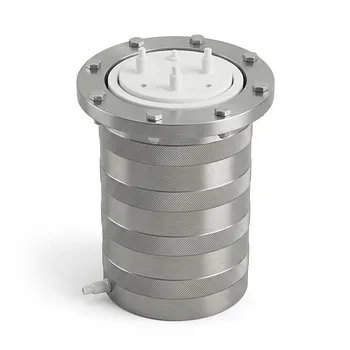
- High Pressure Custom TFM Reactor Stainless Steel Outer Vessel PTFE Inner Cup for Corrosive Synthesis
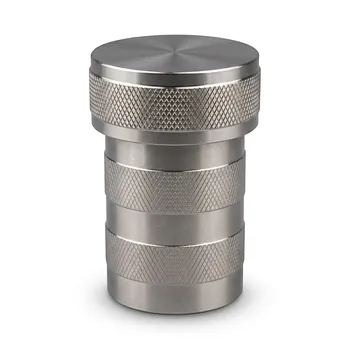
- High Temperature Corrosion Resistant Hydrothermal Synthesis Reactor with TFM Inner Liner and Straight Cylinder Design
- PTFE Continuous Reaction System Jacketed Constant Pressure Dropping Funnel Corrosion Resistant HF Resistant Customizable
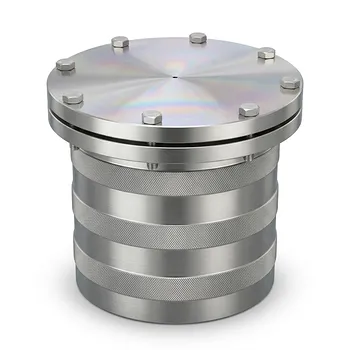
- Custom TFM Reaction Vessel with Stainless Steel Jacket and PTFE Inner Cup for High Corrosion Resistance
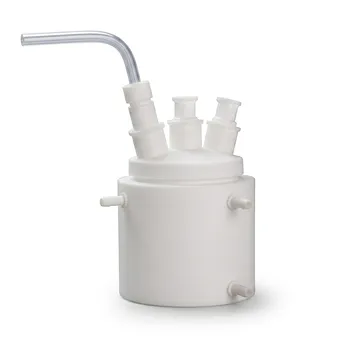
- Custom PTFE Reaction System with Hose Barb Fittings Corrosion Resistant High Sealing 2L 4L Lab Reactor with Separatory Funnel
People Also Ask
- Why is a PTFE-lined reactor required for Mn2O3 synthesis? Achieve High Purity & Corrosion Resistance
- What is the technical value of 180 bar pressure for MgO nanostructures? Unlock Superior Crystallinity and Morphology
- What are the technical advantages of using high-pressure PTFE reaction vessels during metal digestion? Expert Insights.
- How does the regulation of initial pressure within a high-pressure reaction system affect the production of MIL-100(Fe)?
- Why is a high-pressure reactor necessary for the esterification reaction between oleic acid and methanol at 150°C? Guide