Knowledge Hydrothermal synthesis reactor Why Use PTFE-Lined Autoclaves for BiNi Synthesis? Achieve High-Purity & Precise Catalytic Control
Author avatar

Tech Team · Kintek

Updated 1 month ago

Why Use PTFE-Lined Autoclaves for BiNi Synthesis? Achieve High-Purity & Precise Catalytic Control


The primary advantage of using PTFE-lined autoclaves is the creation of a chemically inert, high-purity reaction environment that prevents metallic contamination. This isolation is critical for the precise regulation of Bismuth-Nickel (BiNi) alloy active sites and the ordering of their electronic structures, which directly determines the catalyst's efficiency in two-electron oxygen reduction.

Core Takeaway: PTFE liners serve as a sacrificial but highly resistant barrier that ensures the chemical integrity of BiNi catalysts by eliminating impurity leaching from the autoclave’s metal body. This purity is the fundamental requirement for achieving the specific electronic configurations necessary for high-performance catalysis.

Ensuring Precise Control of Alloy Active Sites

Prevention of Metallic Contamination

Hydrothermal synthesis of BiNi alloys occurs in harsh environments that can easily corrode standard stainless steel containers. PTFE (Polytetrafluoroethylene) liners are exceptionally inert, preventing the leaching of iron, chromium, or nickel from the autoclave walls into the reaction solution. By eliminating these external impurity ions, researchers can ensure that the resulting catalyst's performance is derived solely from the intended Bismuth-Nickel interaction.

Regulation of Electronic Structure

The catalytic efficiency of BiNi alloys depends on the highly specific ordering of their electronic structures. Even trace amounts of foreign metal ions can disrupt this ordering, leading to sub-optimal active sites. The high-purity environment provided by the liner allows for the precise regulation of these sites, ensuring the catalyst performs reliably during the two-electron oxygen reduction process.

Maintaining Stoichiometric Accuracy

Achieving the correct ratio of Bismuth to Nickel is essential for creating effective heterojunctions or alloy phases. Because the PTFE liner does not participate in the reaction, it ensures that the stoichiometry of the precursors is preserved throughout the synthesis. This stability allows for the consistent growth of BiNi structures on substrates like nickel foam without interference from the vessel itself.

Durability in Harsh Hydrothermal Conditions

Resistance to Corrosive Precursors

Hydrothermal synthesis often requires strong alkaline environments, such as NaOH or LiOH solutions, or acidic media. PTFE liners offer superior chemical corrosion resistance, protecting the structural integrity of the outer stainless steel shell from chemical attack. This resistance is vital when synthesizing complex catalysts that require aggressive chemical environments to facilitate crystal growth.

Management of Autogenous Pressure

The high-pressure autoclave provides a sealed environment where autogenous pressure is generated as the temperature rises. This pressure facilitates the synergistic interaction between components, promoting uniform nucleation and the oriented growth of the BiNi alloy. The PTFE liner maintains a stable physical seal under these pressures, ensuring the reaction conditions remain constant throughout the duration of the synthesis.

Thermal Stability and Non-stick Properties

PTFE can withstand temperatures reaching up to 200°C–210°C, covering the typical range for BiNi hydrothermal synthesis. The material's non-stick properties prevent nanomaterials from adhering to the vessel walls during the growth process. This ensures a higher yield of the active catalyst and simplifies the recovery of the synthesized powder or coated substrate.

Understanding the Trade-offs

Temperature Limitations

While PTFE is highly stable, it has a definitive thermal ceiling, typically around 250°C, beyond which it begins to soften and deform. Exceeding these temperatures can lead to "creep," where the liner loses its shape and fails to provide a proper seal. For syntheses requiring extremely high temperatures, alternative liners like PPL (Polyphenylene polymers) or quartz may be necessary.

Cooling and Pressure Risks

Rapid cooling of a PTFE-lined autoclave can cause the liner to contract at a different rate than the metal shell, potentially leading to vacuum-induced deformation. Furthermore, if the liner is overfilled (exceeding 60-80% capacity), the internal pressure can lead to mechanical failure or "pinching" of the PTFE material. Proper handling and adherence to filling limits are essential to prevent safety hazards and ensure the longevity of the liner.

How to Apply This to Your Project

Recommendations for Catalyst Synthesis

  • If your primary focus is maximizing catalytic purity: Always use a high-grade PTFE liner to eliminate the risk of iron or chromium contamination from the autoclave walls.
  • If your primary focus is achieving specific electronic structures: Ensure the liner is thoroughly cleaned with dilute acid between runs to prevent "memory effects" from previous synthesis batches.
  • If your primary focus is synthesis safety at high temperatures: Monitor the reaction temperature strictly to stay below 200°C, and do not exceed 75% of the liner's total volume capacity.
  • If your primary focus is uniform crystal growth: Utilize the autogenous pressure of the sealed autoclave to promote even anchoring of the BiNi alloy onto your chosen substrate.

By leveraging the chemical inertness of PTFE-lined autoclaves, you can transform a volatile hydrothermal reaction into a controlled environment for engineering advanced BiNi catalysts.

Summary Table:

Feature Benefit for BiNi Catalyst Synthesis Technical Considerations
Chemical Inertness Eliminates metallic leaching (Fe, Cr, Ni) to ensure stoichiometric purity. Essential for precise active site regulation.
Corrosion Resistance Withstands aggressive alkaline (NaOH/LiOH) or acidic hydrothermal media. Protects the stainless steel outer shell.
Non-stick Surface Simplifies recovery of nano-powders and prevents material loss on vessel walls. Increases total yield of synthesized catalyst.
Thermal Stability Maintains integrity during critical nucleation phases up to 210°C. Avoid exceeding 250°C to prevent deformation.
Pressure Seal Supports autogenous pressure for uniform crystal growth and anchoring. Recommended filling capacity: 60-80%.

Elevate Your Research with KINTEK’s High-Performance Fluoropolymer Solutions

Precision in BiNi catalyst synthesis starts with the purity of your environment. KINTEK specializes in manufacturing high-performance laboratory supplies crafted exclusively from PTFE and PFA. From everyday basics like beakers, crucibles, and reagent bottles to advanced hydrothermal synthesis liners, microwave digestion vessels, and custom electrochemical cells, we provide the chemically inert tools necessary for high-purity trace analysis and complex reactions.

Whether you require standard consumables—such as stirring bars, tubing, and filters—or bespoke laboratory setups delivered through our end-to-end custom CNC fabrication, KINTEK ensures your equipment never compromises your results. Don't let metallic contamination derail your catalytic efficiency.

Contact us today to discuss your custom project or high-volume orders!

References

  1. Mengxue Yang, Sihui Zhan. Multiscale Catalyst Engineering for Stable, Selective, and Carbon‐Neutral Industrial Hydrogen Peroxide Electrosynthesis. DOI: 10.1002/cnl2.70017

This article is also based on technical information from Kintek Knowledge Base .

Related Products

People Also Ask

Related Products

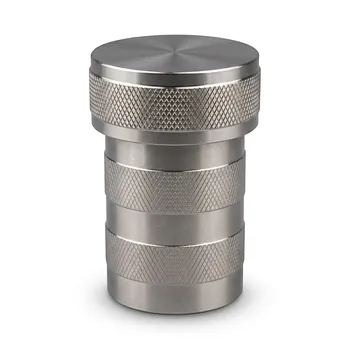
PTFE Lined High Pressure Digestion Vessel 50ml High Temperature Hydrothermal Synthesis Tank

PTFE Lined High Pressure Digestion Vessel 50ml High Temperature Hydrothermal Synthesis Tank

This premium 50ml high pressure digestion vessel features a precision-engineered PTFE lining for superior chemical resistance. Ideal for trace metal analysis and hydrothermal synthesis, this unit ensures high-purity results through robust, fully customizable industrial-grade construction and specialized engineering.

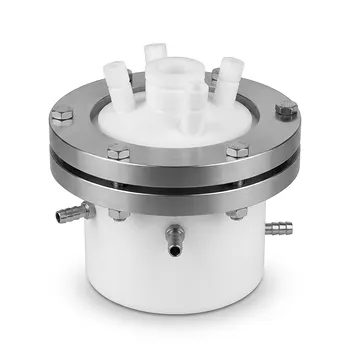
High Temperature Corrosion Resistant Hydrothermal Synthesis Reactor with TFM Inner Liner and Straight Cylinder Design

High Temperature Corrosion Resistant Hydrothermal Synthesis Reactor with TFM Inner Liner and Straight Cylinder Design

Professional grade high-pressure hydrothermal synthesis reactors featuring corrosion-resistant TFM liners and straight-wall geometry. These units are ideal for demanding chemical synthesis, trace analysis, and advanced material research where absolute purity and customizable performance are required for industrial lab excellence.

Custom TFM Reaction Vessel with Stainless Steel Jacket and PTFE Inner Cup for High Corrosion Resistance

Custom TFM Reaction Vessel with Stainless Steel Jacket and PTFE Inner Cup for High Corrosion Resistance

Premium custom TFM reaction vessel featuring a stainless steel jacket and PTFE liner for ultimate chemical resistance. This high-pressure system ensures zero contamination in aggressive synthesis environments, providing industrial-grade reliability for critical laboratory applications and advanced materials research.

High Pressure Custom TFM Reactor Stainless Steel Outer Vessel PTFE Inner Cup for Corrosive Synthesis

High Pressure Custom TFM Reactor Stainless Steel Outer Vessel PTFE Inner Cup for Corrosive Synthesis

Engineered for extreme chemical resistance, this custom TFM reactor combines a robust stainless steel outer vessel with a high-purity PTFE liner, ensuring safe, durable performance in demanding laboratory and industrial synthesis applications.

PTFE Condensation Reflux and Gas Collection Apparatus for Corrosive Biochemical Processing Customizable High Temperature System

PTFE Condensation Reflux and Gas Collection Apparatus for Corrosive Biochemical Processing Customizable High Temperature System

High-performance PTFE condensation reflux and gas collection apparatus designed for corrosive biochemical processing. This customizable system offers superior thermal stability and chemical inertness, ensuring reliable performance in demanding laboratory environments where standard materials fail.

High Purity PTFE Microwave Digestion Vessel for Soil and Food Analysis Acid Resistant Fluoropolymer Sample Preparation Liners

High Purity PTFE Microwave Digestion Vessel for Soil and Food Analysis Acid Resistant Fluoropolymer Sample Preparation Liners

Engineered for high-pressure microwave digestion these ultra-pure PTFE liners provide exceptional resistance to concentrated acids during soil and food sample preparation ensuring zero contamination and uniform heating for precise heavy metal trace analysis in laboratory environments.

High Purity TFM Microwave Digestion Vessels PTFE Acid Evaporation Liners Domestic GT-400 Equivalent Laboratory Reaction Containers

High Purity TFM Microwave Digestion Vessels PTFE Acid Evaporation Liners Domestic GT-400 Equivalent Laboratory Reaction Containers

Premium PTFE and TFM microwave digestion vessels designed as high-performance replacements for GT-400 systems ensuring trace metal purity and chemical resistance for demanding laboratory digestion and acid evaporation processes with full custom fabrication capabilities available for unique requirements and specifications.

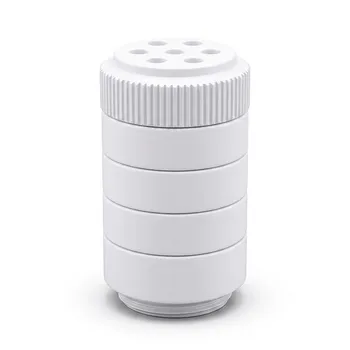
Custom PTFE Multilayer Reaction Apparatus High Temperature Corrosion Resistant Threaded Modular Sieve System

Custom PTFE Multilayer Reaction Apparatus High Temperature Corrosion Resistant Threaded Modular Sieve System

Enhance chemical processing with this custom PTFE multilayer reaction apparatus featuring corrosion-resistant threaded connections and integrated sieve plates. Designed for high-temperature stability and precision filtration in demanding laboratory environments across pharmaceutical and semiconductor research and advanced industrial applications.

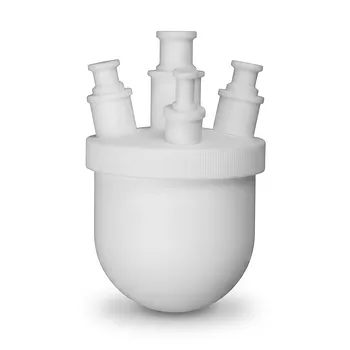
High Temperature Corrosion Resistant PTFE Reaction Flask Custom Multi Neck Laboratory Vessel with Flat or U Bottom

High Temperature Corrosion Resistant PTFE Reaction Flask Custom Multi Neck Laboratory Vessel with Flat or U Bottom

High-performance PTFE reaction flasks offer unmatched chemical resistance and thermal stability for aggressive laboratory synthesis. These customizable multi-neck vessels ensure high-purity results in pharmaceutical and semiconductor research through precision CNC fabrication and inert fluoropolymer construction.

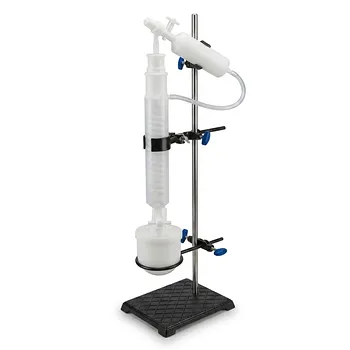
Custom PTFE Condenser Tube Hydrofluoric Acid Resistant Reflux Device Constant Pressure Separatory Funnel

Custom PTFE Condenser Tube Hydrofluoric Acid Resistant Reflux Device Constant Pressure Separatory Funnel

Engineered for extreme chemical environments, our custom PTFE condenser tubes and hydrofluoric acid resistant reflux devices offer unparalleled corrosion resistance and non-stick performance. These high-purity laboratory tools ensure zero sample contamination and long-term durability in demanding industrial applications.

High Purity PTFE Microwave Digestion Vessel Replacement Liner for Acid Sample Preparation and Trace Analysis

High Purity PTFE Microwave Digestion Vessel Replacement Liner for Acid Sample Preparation and Trace Analysis

Premium PTFE microwave digestion vessels designed for extreme acid resistance and high-pressure performance. Engineered for trace analysis and sample preparation in industrial laboratories, these customizable liners provide superior durability and chemical inertness.

Custom PTFE Reaction System with Hose Barb Fittings Corrosion Resistant High Sealing 2L 4L Lab Reactor with Separatory Funnel

Custom PTFE Reaction System with Hose Barb Fittings Corrosion Resistant High Sealing 2L 4L Lab Reactor with Separatory Funnel

Enhance laboratory efficiency with our custom PTFE reaction system featuring superior corrosion resistance, high-integrity sealing, and integrated separatory funnels. Designed for demanding chemical synthesis, this modular fluoropolymer apparatus ensures high purity and reliable fluid transfer in extreme environments.

High Purity PTFE PFA Plastic Crucible for Corrosion Resistant Acid Digestion and Trace Analysis

High Purity PTFE PFA Plastic Crucible for Corrosion Resistant Acid Digestion and Trace Analysis

High-purity PTFE PFA plastic crucibles designed for trace analysis and acid digestion. Offering extreme corrosion resistance and low background levels, these heat-resistant vessels withstand 250°C for reliable sample preparation in demanding laboratory and industrial environments worldwide.

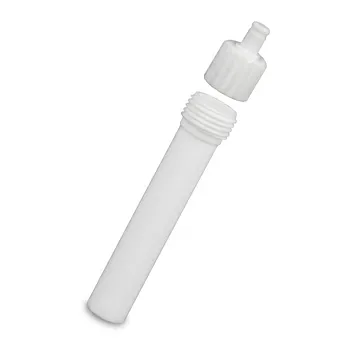
High Temperature Chemical Resistant 50ml PTFE Syringe Customized Teflon Injector with Threaded Seal for Trace Analysis

High Temperature Chemical Resistant 50ml PTFE Syringe Customized Teflon Injector with Threaded Seal for Trace Analysis

Engineered from virgin PTFE, this 50ml high-purity injector offers exceptional chemical resistance and thermal stability from -200°C to +250°C. Perfect for trace analysis, aggressive solvent handling, and precision dispensing in demanding laboratory environments.

PTFE Acid Steam Cleaning System HF Resistant Trace Analysis Beaker Digestion Tank Customizable

PTFE Acid Steam Cleaning System HF Resistant Trace Analysis Beaker Digestion Tank Customizable

Precision-engineered PTFE acid steam cleaning systems provide contaminant-free trace analysis environments. These high-purity PFA systems resist hydrofluoric acid, ensuring non-polluting results for digestion tanks and laboratory beakers through automated, customizable vapor cleaning protocols for demanding scientific laboratory research.

PTFE PFA Vacuum Filtration System Corrosion Resistant Customizable Shatterproof Laboratory Device

PTFE PFA Vacuum Filtration System Corrosion Resistant Customizable Shatterproof Laboratory Device

High-performance PTFE and PFA vacuum filtration systems designed for extreme chemical resistance. This customizable, shatterproof unit ensures trace-level purity and exceptional thermal stability for demanding laboratory processes and hazardous fluid transfers in industrial and research applications.

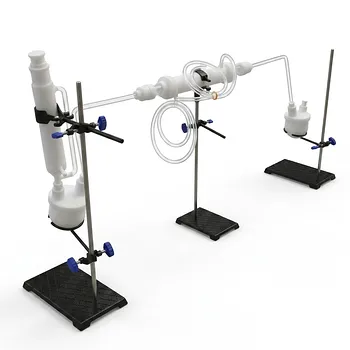
Custom PTFE Volatile Matter Condensation Reflux Reaction Device Corrosion Resistant Pressure Resistant

Custom PTFE Volatile Matter Condensation Reflux Reaction Device Corrosion Resistant Pressure Resistant

High-performance custom PTFE condensation reflux reaction device offering exceptional corrosion resistance and 0.1MPa pressure stability. Ideal for volatile matter recovery in trace analysis and aggressive chemical synthesis where high-purity laboratory standards are non-negotiable and strictly required.

High Purity PTFE Syringe 20ml Virgin Fluoropolymer Syringe Pump Compatible Chemical Resistant Sample Injection Tool

High Purity PTFE Syringe 20ml Virgin Fluoropolymer Syringe Pump Compatible Chemical Resistant Sample Injection Tool

Premium 20ml PTFE syringe crafted from 100% virgin material for extreme chemical resistance and syringe pump compatibility. Ideal for high-purity trace analysis and corrosive fluid handling in advanced laboratory research and industrial manufacturing environments.

High Purity Laboratory Grade PTFE Syringe Chemical Resistant Fluoropolymer Injector for Trace Analysis

High Purity Laboratory Grade PTFE Syringe Chemical Resistant Fluoropolymer Injector for Trace Analysis

Engineered for superior chemical resistance, this experimental grade PTFE syringe ensures zero contamination in trace analysis. With a wide operating temperature range and precision-machined graduations, it provides a reliable, unbreakable alternative to glass units.

Customizable PTFE Reaction Vessel with Electric Stirring Paddle and Buchner Funnel Vacuum Filtration System

Customizable PTFE Reaction Vessel with Electric Stirring Paddle and Buchner Funnel Vacuum Filtration System

High-performance customizable PTFE reaction vessel system featuring integrated electric stirring paddles and Buchner funnel vacuum filtration components designed for demanding laboratory environments requiring absolute chemical inertness, high-purity trace analysis, and bespoke engineering solutions for complex industrial applications.


Leave Your Message