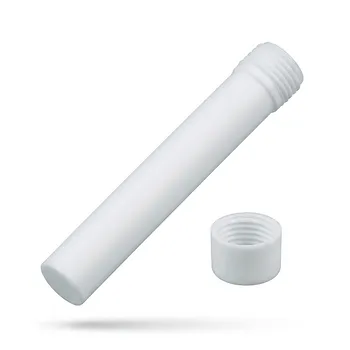
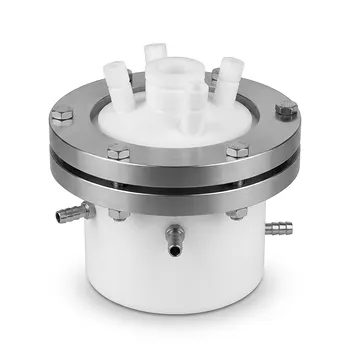
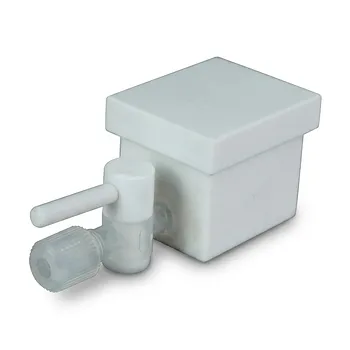
The PTFE-lined hydrothermal synthesis autoclave is the essential tool for creating high-quality MXene-BFO nanocomposites. It provides a controlled, high-pressure environment at temperatures like 160 °C, which is necessary to drive the chemical bond breaking and recombination required for strong interfacial bonding. By isolating the reaction from the metal reactor body, it ensures the resulting material is free from metallic impurities and structural defects.
Core Takeaway: A PTFE-lined autoclave enables the synthesis of MXene-BFO nanocomposites by providing the thermal and pressure energy needed for strong bond formation while simultaneously acting as a chemically inert barrier against corrosion and contamination.
Enhancing Interfacial Bonding through Pressure and Temperature
Accelerating Chemical Reaction Kinetics
The sealed environment of the autoclave allows the internal temperature to reach 160 °C, significantly exceeding the boiling point of many solvents. This elevated thermal energy facilitates the breaking of existing chemical bonds and the formation of new ones.
Promoting Strong Heterojunctions
High internal pressure forces the BiFeO3 (BFO) and MXene precursors into close contact, promoting "conformal deposition." This results in a robust bond between the materials, which is critical for the electronic and catalytic performance of the nanocomposite.
Facilitating Crystalline Development
The stable, high-pressure conditions support the growth of highly crystalline phases. This environment ensures that the BFO nanoparticles are securely anchored onto the MXene surfaces, preventing leaching or detachment during subsequent applications.
Protecting Material Purity and Reactor Integrity
Maintaining Chemical Inertness
The PTFE (polytetrafluoroethylene) liner is exceptionally resistant to the strong acids and organic solvents often used in MXene synthesis. This inertness ensures that the liner itself does not react with the precursors or degrade during the process.
Preventing Metallic Contamination
Without a liner, harsh reaction environments would corrode the stainless steel body of the autoclave. The PTFE barrier prevents metal ions from the reactor wall from leaching into the solution, ensuring the final nanocomposite remains pure.
Utilizing Non-Stick Properties
PTFE possesses a naturally hydrophobic and non-stick surface. This prevents nanomaterials from adhering to the vessel walls during synthesis, maximizing product yield and ensuring that the formed heterojunctions are precise and uniform.
Understanding the Trade-offs and Limitations
Temperature Ceiling Constraints
While PTFE is highly versatile, it has a functional temperature limit, typically around 250 °C. Exceeding this limit can cause the liner to soften or deform, potentially compromising the seal and safety of the high-pressure vessel.
Pressure Sensitivity and Deformation
Frequent use at maximum pressure can lead to "creep" or permanent deformation of the PTFE liner over time. Users must regularly inspect liners for thinning or warping to prevent accidental leaks or contamination.
Thermal Lag During Heating
PTFE is an effective thermal insulator, which can create a delay between the external furnace temperature and the internal reaction temperature. Precise synthesis requires calibration to account for this thermal gradient within the autoclave.
How to Apply This to Your Project
When selecting or operating a PTFE-lined autoclave for nanocomposite synthesis, your approach should be dictated by your specific material requirements.
- If your primary focus is Maximum Purity: Ensure the PTFE liner is thoroughly cleaned with acid between uses to remove any residual ions trapped in the microscopic pores of the material.
- If your primary focus is Strong Interfacial Bonding: Prioritize a high-pressure seal and a steady soak time at 160 °C to allow for complete bond recombination between the BFO and MXene layers.
- If your primary focus is High Crystallinity: Use a slower cooling rate after the synthesis is complete to allow the crystalline structures to stabilize within the pressurized environment.
By leveraging the chemical resistance and pressurized environment of a PTFE-lined autoclave, researchers can achieve the precise chemical architecture required for high-performance MXene-BFO nanocomposites.
Summary Table:
| Feature | Advantage for MXene-BFO Synthesis | Key Outcome |
|---|---|---|
| PTFE Liner | Complete chemical inertness and zero metallic leaching | Ultra-pure nanocomposites |
| High-Pressure | Forces conformal deposition and tight heterojunctions | Enhanced interfacial bonding |
| Thermal Stability | Provides stable 160 °C environment for kinetics | Superior crystalline growth |
| Non-stick Surface | Prevents nanomaterial adhesion to reactor walls | Maximum product yield |
Elevate Your Material Synthesis with KINTEK’s High-Performance Fluoropolymers
Achieving the precise chemical architecture required for MXene-BFO nanocomposites demands equipment that offers absolute purity and chemical resistance. KINTEK specializes in manufacturing a comprehensive range of laboratory supplies crafted exclusively from PTFE and PFA.
From essential hydrothermal synthesis liners, microwave digestion vessels, and high-purity cleaning tanks to advanced standard or custom electrochemical cells and microchannel reactors, we provide the tools needed for rigorous research. Our capabilities extend from everyday basic labware like beakers, crucibles, and centrifuge tubes to complex, bespoke non-standard machined parts delivered via our end-to-end custom CNC fabrication.
Ensure your synthesis remains free from contamination—contact KINTEK today for everything from high-volume consumable orders to custom laboratory setups!
References
- Sana Zainab, Sajal Fraz. Exploring electrolyte specific effects on multisheets 2-dimensional Ti3C2Tx-BiFeO3 nanocomposites electrodes for high-performance supercapacitors applications. DOI: 10.1038/s41598-025-90171-4
This article is also based on technical information from Kintek Knowledge Base .
Related Products
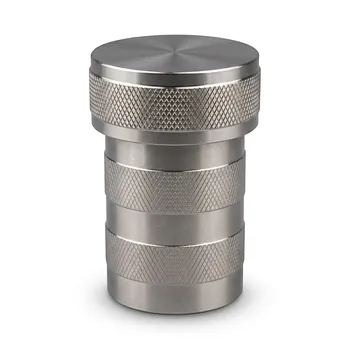
- PTFE Lined High Pressure Digestion Vessel 50ml High Temperature Hydrothermal Synthesis Tank
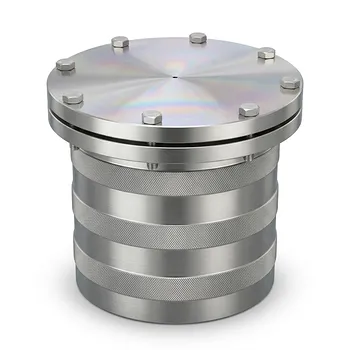
- High Temperature Corrosion Resistant Hydrothermal Synthesis Reactor with TFM Inner Liner and Straight Cylinder Design
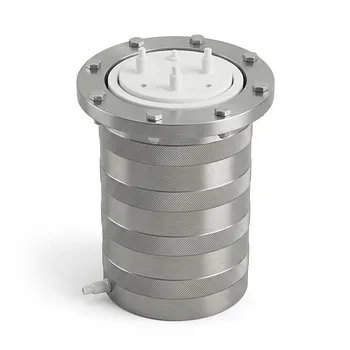
- Custom TFM Reaction Vessel with Stainless Steel Jacket and PTFE Inner Cup for High Corrosion Resistance
- High Pressure Custom TFM Reactor Stainless Steel Outer Vessel PTFE Inner Cup for Corrosive Synthesis
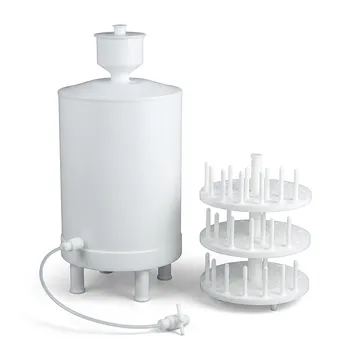
- PTFE Acid Steam Cleaning System HF Resistant Trace Analysis Beaker Digestion Tank Customizable
People Also Ask
- What are the benefits of using a PTFE-lined vessel for carbon-sulfur cathode treatment? Maximize Purity & Performance
- Why are PTFE-lined pressure digestion vessels required for the preparation of Ag/CeO2 catalysts? Purity & Performance
- What is the function of high-pressure PTFE digestion vessels in mineral analysis? Optimize Sample Mineralization
- What safety features are typically incorporated into high-pressure PTFE digestion vessel designs? Ensure Lab Safety
- What is the function of PTFE lined high-pressure vessels in g-C3N4 synthesis? Achieve High-Purity Material Growth