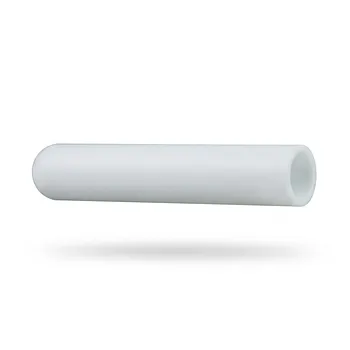
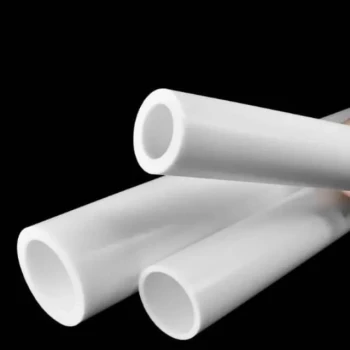
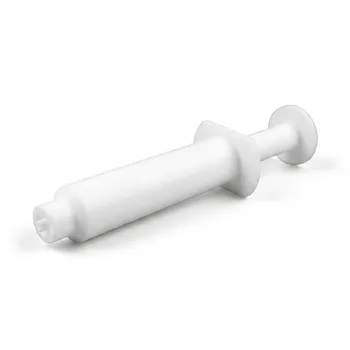
PTFE capillary tubing is a cornerstone of modern medical and pharmaceutical design due to its unparalleled chemical and biological neutrality. This material provides a non-thrombogenic, low-friction environment that is essential for both patient-facing applications and high-precision laboratory fluidics. By eliminating the risk of leaching and minimizing tissue trauma, PTFE ensures that medical devices remain both safe and effective under extreme sterilization and operating conditions.
Core Takeaway: The primary advantage of PTFE capillary tubing lies in its combination of near-universal chemical inertness and an ultra-smooth, low-friction surface, which collectively prevent contamination, reduce patient trauma, and ensure the integrity of sensitive biological reagents.
Enhancing Patient Safety Through Biocompatibility
Minimizing Thrombogenic Risk
PTFE features a non-thrombogenic surface, which is critical for devices that come into direct contact with blood. This property significantly reduces the risk of blood clot formation, making it a preferred material for catheters and infusion lines.
Reducing Tissue Irritation
The material's biocompatibility ensures that the body does not recognize the tubing as a harmful foreign object. This leads to a marked reduction in tissue irritation, allowing for longer-term use in clinical settings without adverse reactions.
Superior Fluid Dynamics and Navigation
Ultra-Low Friction Lumen
The inner diameter, or lumen, of PTFE tubing is exceptionally smooth, which minimizes insertion force. This allows medical professionals to navigate complex anatomical structures with greater ease, directly reducing patient trauma during procedures.
Integrity in Microfluidic Systems
In microfluidic and analytical applications, PTFE acts as a stable reaction channel that protects sensitive reagents. Its non-stick properties prevent surface-induced denaturation and minimize carry-over between different experiments, ensuring high-fidelity results.
Chemical Purity and Environmental Resilience
Preventing Leaching and Contamination
PTFE is chemically inert and does not react with strong acids, bases, or organic solvents. This prevents the leaching of contaminants into the drug stream or blood supply, maintaining the absolute purity of the fluid path.
Thermal and Sterilization Stability
The material can withstand operating temperatures up to 260 degrees Celsius and is hydrophobic, repelling water-based substances. It maintains its physical integrity across various sterilization methods, including autoclave, ethylene oxide, and gamma radiation.
Understanding the Trade-offs
Mechanical Limitations
While PTFE is flexible, it possesses different mechanical properties than softer elastomers like silicone. In high-pressure instrumentation, it requires specialized fittings and caps to ensure a leak-proof seal and to prevent material deformation under extreme stress.
Material Selection for Visibility
Standard PTFE is often opaque or translucent, which can hinder the monitoring of fluid flow. If real-time visual or spectroscopic monitoring is required, designers must specify optically transparent grades of the tubing to meet those analytical needs.
How to Apply This to Your Project
When selecting PTFE capillary tubing for your next medical or pharmaceutical application, consider your primary performance driver to choose the correct specification.
- If your primary focus is Patient Comfort: Prioritize tubing with an ultra-smooth, low-friction surface finish to minimize insertion force and tissue drag.
- If your primary focus is Chemical Purity: Ensure the PTFE is medical-grade and free of additives to prevent any risk of leaching into sensitive drug formulations.
- If your primary focus is Analytical Precision: Select thin-walled, optically transparent grades to allow for accurate sensor readings and visual flow verification.
- If your primary focus is Device Longevity: Opt for high-temperature stable PTFE that can survive repeated sterilization cycles without losing its mechanical properties.
By aligning the specific grade of PTFE with your device's core functional requirements, you ensure a reliable, high-performance solution that meets stringent regulatory and safety standards.
Summary Table:
| Advantage Category | Key Performance Benefit | Ideal Application |
|---|---|---|
| Biocompatibility | Non-thrombogenic; reduces tissue irritation | Catheters, infusion lines, and implants |
| Fluid Dynamics | Ultra-low friction lumen; non-stick surface | Microfluidics, reagent delivery, and navigation |
| Chemical Purity | Chemically inert; prevents leaching/contamination | Pharmaceutical drug streams and trace analysis |
| Resilience | Stable up to 260°C; supports all sterilization | Autoclave, Gamma, and EtO sterilized devices |
Elevate Your Device Performance with KINTEK’s Fluoropolymer Expertise
Precision in medical and pharmaceutical applications demands materials that never compromise. KINTEK specializes in high-performance PTFE and PFA solutions tailored to your exact specifications. From standard labware like beakers, reagent bottles, and tubing to complex fluid transfer components, filtration tools, and custom-engineered reaction apparatus, we provide the purity and reliability your project requires.
Whether you need bespoke CNC-machined parts or high-volume orders of standard consumables, our end-to-end fabrication capabilities ensure seamless integration into your medical or laboratory setup.
Ready to optimize your fluidic path? Contact our engineering team today to discover how KINTEK’s fluoropolymer solutions can enhance your device’s safety and efficiency.
Related Products
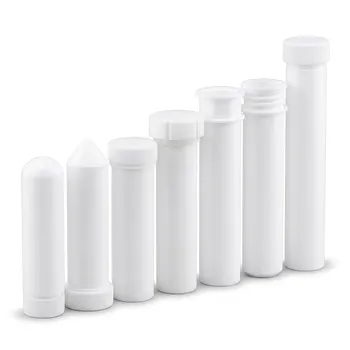
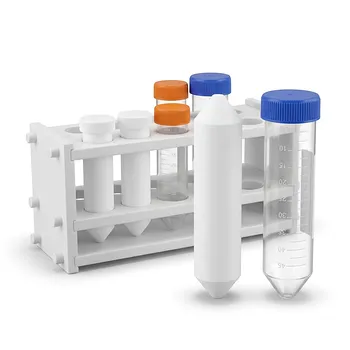
- Custom High Purity PTFE Digestion Tubes and Centrifuge Tubes for Trace Metal Analysis
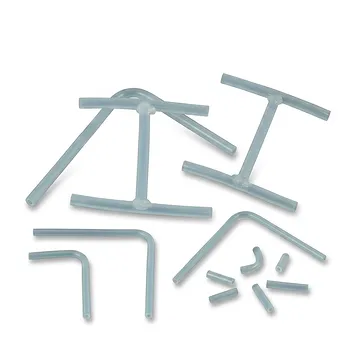
- High Performance PFA Coiled Spring Tubing and Custom PTFE Fabrication Services with Welded Fittings and Precision Bent Components
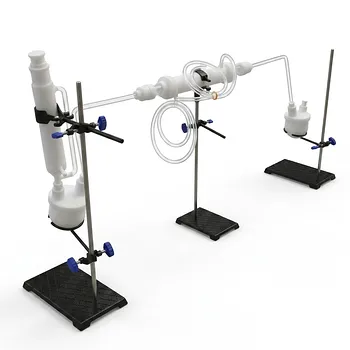
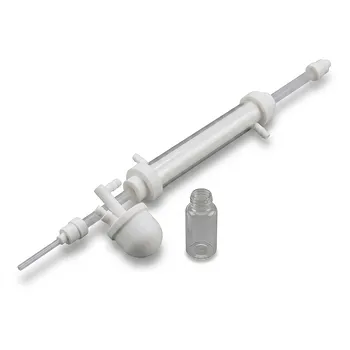
- Custom PTFE Condenser Tube Hydrofluoric Acid Resistant Reflux Device Constant Pressure Separatory Funnel
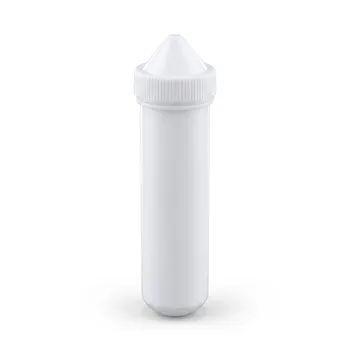
- High Purity PTFE Digestion Tubes and Custom Centrifuge Tubes 100ml for Trace Analysis and Chemical Digestion
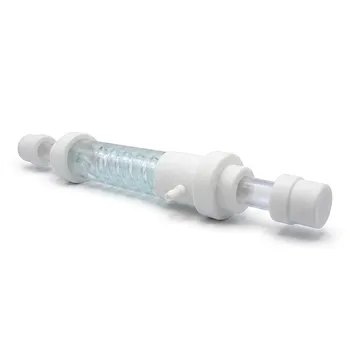
- Custom PTFE Condenser Tube Reflux Reaction Condensation Purification Device Semiconductor Chemical Lab Equipment
People Also Ask
- What are the common capacities and physical configurations available for PTFE digestion tubes? Expert Selection Guide
- What is the primary function of PTFE digestion tubes in a laboratory setting? Essential for Pure Sample Mineralization
- How do PTFE digestion tubes assist in pharmaceutical and biological sample preparation? Ensure High Recovery & Purity
- How do PTFE digestion tubes minimize contamination during ultra-trace elemental analysis? Achieve high-purity results.
- How does the synergy of pressure and temperature within a PTFE digestion tube improve digestion efficiency? Accelerate Sample Prep