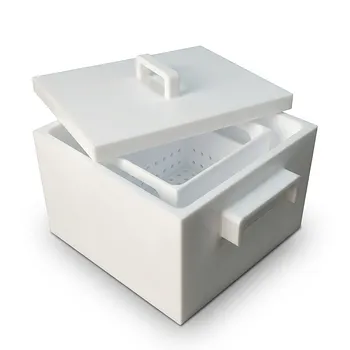
PTFE battery clamps are essential for modern energy storage because they provide a chemically inert barrier that prevents terminal corrosion, stabilizes electrical contact, and significantly reduces the risk of short circuits. By shielding sensitive metal conductors from acidic off-gassing and electrolyte mists, these clamps eliminate the primary cause of voltage drops and manual cleaning cycles in large-scale battery arrays.
PTFE (Polytetrafluoroethylene) clamps transform battery maintenance from a reactive process of cleaning corrosion into a proactive strategy of ensuring long-term system stability. Their unique combination of chemical passivity and high electrical resistivity makes them the definitive choice for high-reliability energy environments.
Preventing Chemical Degradation and Voltage Loss
Neutralizing the Impact of Electrolyte Leakage
Large-scale lead-acid or flow batteries frequently release sulfuric acid mist and other corrosive gases during normal operation. Standard copper or lead terminals react with these vapors, forming resistive crusts that degrade the connection over time. PTFE-coated clamps are immune to this chemical attack, ensuring the physical integrity of the terminal remains unchanged for years.
Sustaining Low-Resistance Connections
Corrosion at the terminal is the leading cause of unwanted voltage drops within energy storage systems. By preventing oxidation and chemical buildup, PTFE clamps maintain optimal contact integrity, which ensures the system operates at peak efficiency. This stability reduces the need for frequent torque checks and abrasive cleaning of the terminal surfaces.
Enhancing Maintenance Safety in Confined Spaces
Eliminating Accidental Short Circuits
Maintenance in confined battery rooms or offshore installations carries a high risk of tool-to-terminal contact. Full PTFE insulation acts as a physical safety barrier, preventing accidental short circuits that could lead to arc flashes or catastrophic system failure. This allows technicians to work with greater confidence and reduced personal protective equipment (PPE) strain in tight environments.
Reducing Stray Currents and Leakage
PTFE possesses an exceptionally high volume resistivity of approximately 10¹⁸ Ω·cm. This property effectively eliminates stray currents that can jump between the clamp body and the electrolyte or counter electrodes. The result is a safer working environment and a significant reduction in "phantom" power losses across the battery string.
Improving Monitoring and Data Fidelity
Minimizing Signal Noise for Impedance Spectroscopy
For systems utilizing Advanced Battery Management Systems (BMS), the low parasitic capacitance of PTFE is critical. These clamps do not distort high-frequency signals, allowing for cleaner electrochemical data with minimal background noise. This precision is vital when performing Electrochemical Impedance Spectroscopy (EIS) to determine the State of Health (SoH) of individual cells.
Preventing Galvanic Potentials
When dissimilar metals meet in a corrosive environment, they create galvanic cells that skew sensor readings. PTFE’s chemical passivity ensures it does not introduce these parasitic potentials into the circuit. This provides a "neutral" interface, ensuring that the reference signals essential for performance validation remain accurate and untainted.
Understanding the Trade-offs
Mechanical Strength and Cold Flow
While PTFE is chemically superior, it is softer than traditional metal-only clamps and can be subject to "cold flow" or creep under extreme pressure. Installers must use clamps designed with internal metal reinforcements to ensure the mechanical "grip" does not loosen over time due to material deformation. Overtightening can also damage the PTFE layer, potentially exposing the underlying conductor to the very corrosion it was meant to avoid.
Cost and Thermal Considerations
The initial procurement cost for PTFE-coated or solid PTFE components is higher than standard lead or brass alternatives. Additionally, while PTFE handles high temperatures well, it can begin to release toxic fumes if the system experiences a thermal runaway event exceeding 260°C. Decision-makers must weigh these upfront costs against the long-term savings in labor and the extended lifespan of the battery assets.
How to Apply This to Your Project
Implementation Strategies
- If your primary focus is reducing labor costs: Transition to PTFE clamps to eliminate the need for semi-annual terminal scrubbing and anti-corrosion grease application.
- If your primary focus is data accuracy: Utilize PTFE interfaces to ensure your BMS receives high-fidelity signals for precise State of Charge (SoC) calculations.
- If your primary focus is safety in high-density arrays: Deploy fully insulated PTFE clamps to minimize the risk of accidental shorts during routine inspections in cramped quarters.
By integrating PTFE technology into your battery infrastructure, you effectively insulate your energy storage system from the most common causes of electrical failure and maintenance fatigue.
Summary Table:
| Key Advantage | Maintenance Impact | Technical Property |
|---|---|---|
| Chemical Passivity | Prevents terminal corrosion from acid mists | Inert to electrolyte leakage |
| Electrical Insulation | Eliminates short circuit and arc flash risks | High volume resistivity ($10^{18}$ Ω·cm) |
| Signal Clarity | Reduces noise for BMS and EIS monitoring | Low parasitic capacitance |
| Contact Stability | Eliminates manual cleaning and voltage drops | Sustains low-resistance connections |
Upgrade Your Energy Storage Infrastructure with KINTEK’s Fluoropolymer Solutions
Don't let terminal corrosion and electrical instability compromise your high-density battery arrays. KINTEK specializes in manufacturing high-performance laboratory and industrial supplies crafted exclusively from PTFE and PFA to ensure maximum reliability in corrosive environments.
From everyday basic labware like beakers, reagent bottles, and centrifuge tubes to advanced components such as battery testing fixtures, electrochemical cells, and custom fluid transfer tubing, we provide the chemical resistance and electrical insulation your facility demands.
Our Value to You:
- End-to-End Customization: Precision CNC fabrication for complex, non-standard parts and bespoke laboratory setups.
- Scalability: We handle everything from specialized one-off prototypes to high-volume industrial orders.
- Unmatched Durability: Our focus on high-performance fluoropolymers ensures your components withstand the harshest chemical and electrical stresses.
Protect your assets and ensure precise system monitoring today.
Contact KINTEK to discuss your custom project requirements!
Related Products
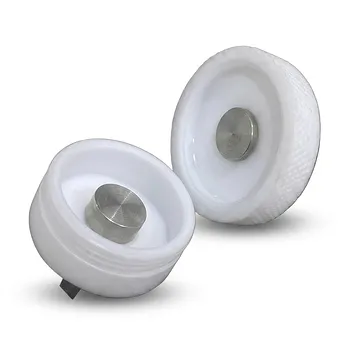
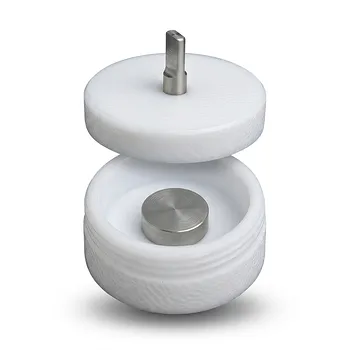
- Corrosion Resistant PTFE Coin Cell Battery Testing Clamps and Acid Proof Custom Fluoropolymer Battery Fixtures
- Acid Resistant PTFE Button Cell Battery Test Fixture Customizable Machining High Purity Electrochemical Testing Clamp
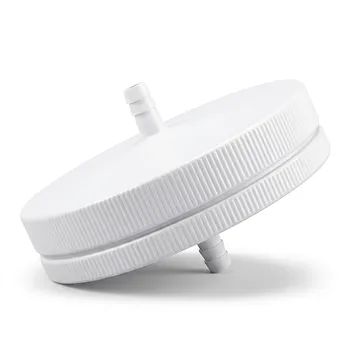
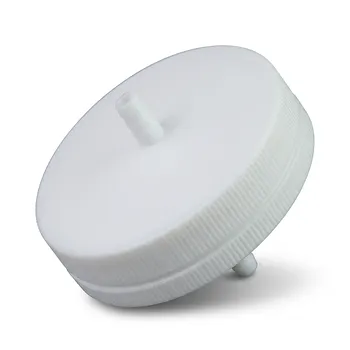
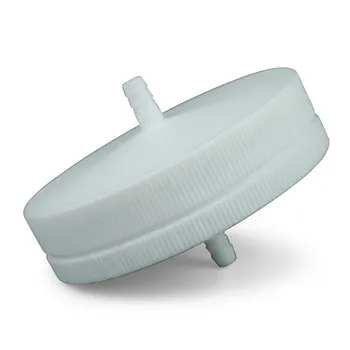
- PTFE Filter Membrane Holder for Hydrogen Chloride and Water Filtration 90mm Environmental Sampling Clamp Customizable
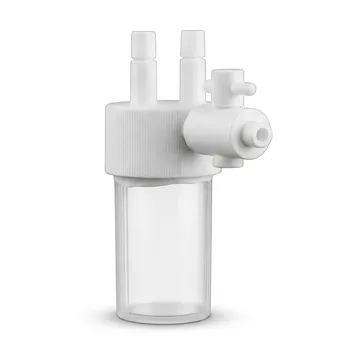
- Custom PTFE Reaction Lid with Integrated Valve and Fitting Corrosion Resistant No Leaching PFA FEP Bottle Cap System
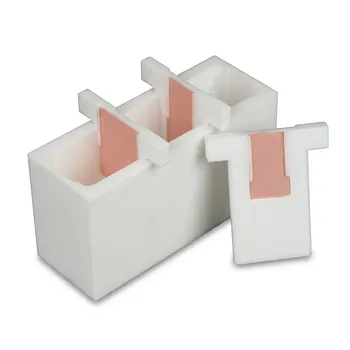
- White PTFE Electrolytic Cell with Movable Slider and Insulated Lid for Fluorine Corrosion Resistance
People Also Ask
- What is the thermal operating range for PTFE battery clamps in electrochemical research? Stability from -200°C to +260°C
- What are the primary functions and material compositions of PTFE battery clamps? Ensure Precision & Chemical Resistance
- How do coin cell testing fixtures evaluate ZIF-derived LCO cycling stability? Ensure Battery Research Precision
- What are the electrical insulation and signal integrity advantages of using PTFE battery clamps? Ensure Data Accuracy
- How does the chemical inertness of PTFE benefit laboratory-scale battery testing? Ensure high-purity research results.