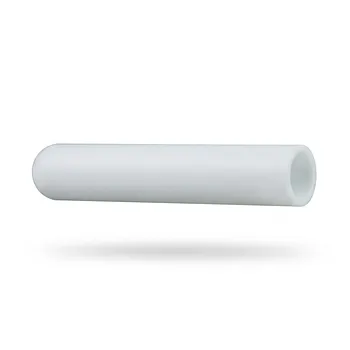
PTFE capillary tubing maintains biocompatibility and sterility through its extreme chemical inertness and exceptional thermal resistance. These properties allow the material to remain non-reactive when in contact with biological tissues or harsh reagents while surviving rigorous sterilization processes like autoclaving and gamma irradiation without structural degradation.
Core Takeaway: PTFE’s inherent molecular stability prevents the leaching of contaminants and the adhesion of biological matter, ensuring that the tubing remains both chemically pure and easy to sterilize for critical medical and analytical applications.
The Foundation of Biocompatibility
Chemical Inertness and Non-Leaching Properties
The primary reason PTFE is considered biocompatible is its chemical inertness, which prevents the material from reacting with drugs, reagents, or biological fluids. This stability ensures that no unwanted chemicals or leachables migrate from the tubing into the patient or the analytical sample.
Surface Architecture and Reduced Trauma
PTFE features an ultra-smooth, low-friction lumen that significantly reduces the force required for insertion into complex anatomy. This surface is also non-thrombogenic, meaning it helps minimize blood clot formation and tissue irritation during medical procedures.
Regulatory Compliance and Material Standards
To ensure safety in clinical settings, specific grades of PTFE are manufactured to meet USP Class VI and FDA standards. These certifications verify that the material has undergone stringent testing for biological reactivity and is safe for use in medical devices and pharmaceutical processing.
Maintaining Sterility through Material Resilience
High Thermal and Chemical Resistance
PTFE’s robust molecular structure allows it to withstand extreme temperatures and pressures without losing its physical integrity. This resilience is critical for repeated sterilization cycles where other plastics might warp, melt, or become brittle.
Diversity of Sterilization Methods
Because PTFE is resistant to heat and radiation, it can be sterilized using several industry-standard methods:
- Autoclaving: High-pressure steam sterilization.
- Gamma Irradiation: High-energy radiation to eliminate microbial life.
- Ethylene Oxide (EtO): A gas-based chemical sterilization process.
- Chemical Sterilization: Resistance to harsh disinfectants and cleaning agents.
Facilitating Clean-in-Place (CIP) Protocols
In pharmaceutical and biotech manufacturing, PTFE's hydrophobic and non-stick properties enable complete drainage. This facilitates efficient Clean-in-Place (CIP) and Sterilize-in-Place (SIP) cycles, which are essential for preventing cross-contamination in sterile media transfer.
Analytical Purity and Sample Integrity
Preventing Analyte Adsorption
In analytical instruments like HPLC or mass spectrometers, PTFE prevents skewed results by ensuring that analytes do not stick to the tubing walls. The material's non-wetting surface prevents droplet retention, ensuring that the entire sample volume reaches the detector.
Eliminating Sample Carry-Over
The smooth bore of PTFE capillary tubing reduces the risk of sample carry-over, where remnants of a previous test contaminate the next. This is vital for maintaining the high sensitivity and precision required in modern laboratory settings.
Understanding the Trade-offs and Pitfalls
Material Selection Errors
While PTFE is generally biocompatible, not all grades are suitable for medical use. It is a common mistake to use industrial-grade PTFE in applications requiring USP Class VI certification, which can lead to regulatory failures or patient safety risks.
Risks of Surface Damage
Although PTFE is highly durable, it is susceptible to mechanical damage or scratching if handled improperly. Scratches on the internal lumen can create microscopic "pockets" where microbes can hide, potentially compromising the sterility of the system.
Limitations of Irradiation
While PTFE can withstand gamma irradiation, repeated or excessive doses can eventually lead to material degradation or changes in tensile strength. Engineers must carefully calibrate the sterilization dose to balance sterility with long-term material performance.
Applying PTFE Standards to Your Project
Recommendations for Success
- If your primary focus is blood-contact medical devices: Prioritize grades with documented non-thrombogenic properties and USP Class VI compliance to ensure patient safety.
- If your primary focus is high-precision analytical chemistry: Select thin-walled, transparent PTFE to allow for visual flow confirmation and ensure a smooth bore to prevent sample carry-over.
- If your primary focus is pharmaceutical manufacturing: Use PTFE components that support SIP/CIP cycles to minimize downtime and ensure the purity of active pharmaceutical ingredients (APIs).
By leveraging PTFE's unique combination of chemical passivity and thermal endurance, professionals can ensure the highest levels of safety and accuracy in the most demanding environments.
Summary Table:
| Feature | Advantage for Biocompatibility & Sterility | Critical Application |
|---|---|---|
| Chemical Inertness | Prevents leaching and migration of contaminants | Patient-contact devices & API processing |
| Thermal Stability | Withstands autoclaving and SIP cycles without warping | Reusable medical instruments |
| Low-Friction Lumen | Non-thrombogenic; reduces tissue trauma during insertion | Catheters and surgical tubing |
| Non-Stick Surface | Prevents analyte adsorption and sample carry-over | HPLC and Mass Spectrometry |
| Radiation Resistance | Compatible with Gamma and Ethylene Oxide (EtO) sterilization | Sterile disposable medical kits |
Ensure Maximum Purity with KINTEK’s High-Performance Fluoropolymer Solutions
When your project demands absolute biocompatibility and sterility, KINTEK delivers. We specialize in high-performance laboratory supplies crafted exclusively from PTFE and PFA, ensuring your components meet the most rigorous medical and analytical standards.
From everyday labware (beakers, centrifuge tubes, and reagent bottles) and fluid transfer components (tubing, fittings, and valves) to advanced reaction apparatus like electrochemical cells and microwave digestion vessels, we provide the full spectrum of fluoropolymer equipment.
Why partner with KINTEK?
- End-to-End Customization: Benefit from our expert CNC fabrication for complex, non-standard machined parts and bespoke laboratory setups.
- Scalable Production: We handle everything from precision custom orders to high-volume industrial manufacturing.
- Material Expertise: Our absolute focus on PTFE and PFA ensures your products are non-reactive, heat-resistant, and USP Class VI compliant.
Optimize your clinical or laboratory performance today. Contact us now to discuss your custom requirements!
Related Products
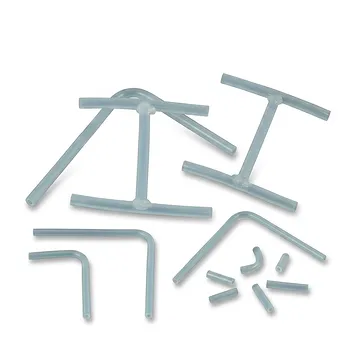
- High Performance PFA Coiled Spring Tubing and Custom PTFE Fabrication Services with Welded Fittings and Precision Bent Components
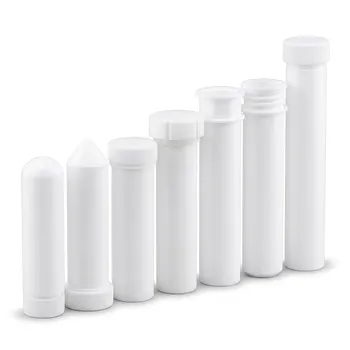
- Custom High Purity PTFE Digestion Tubes and Centrifuge Tubes for Trace Metal Analysis
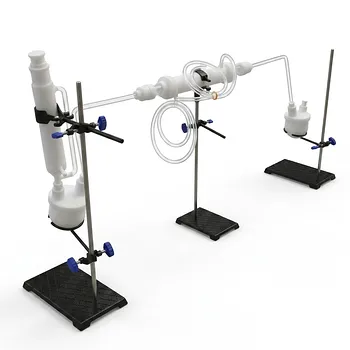
- Custom PTFE Condenser Tube Hydrofluoric Acid Resistant Reflux Device Constant Pressure Separatory Funnel
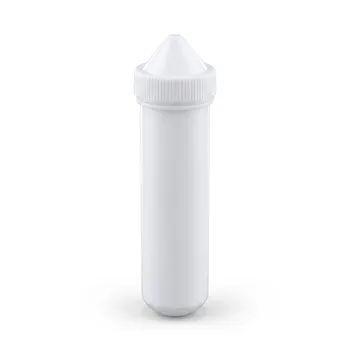
- High Purity PTFE Digestion Tubes and Custom Centrifuge Tubes 100ml for Trace Analysis and Chemical Digestion
- Custom PTFE Condenser Tube Reflux Reaction Condensation Purification Device Semiconductor Chemical Lab Equipment
People Also Ask
- What are the technical advantages of high-precision PFA tubing in MXene production? Maximize Purity and Yield.
- What technical advantages do PFA tubing and fittings offer? Master Precision Fluid Transfer and Flow Chemistry
- What are the technical advantages of high-quality PFA tubing? Achieve Ultimate Purity and Precision in Fluid Handling
- What are the key benefits of PTFE in custom fabrication? Unlock Performance in Extreme Conditions
- What fabrication services are available for PTFE? Shearing, Stamping, Laser Cutting, Molding & Machining