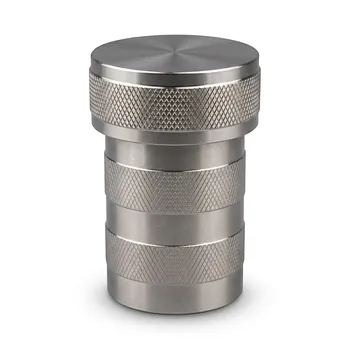
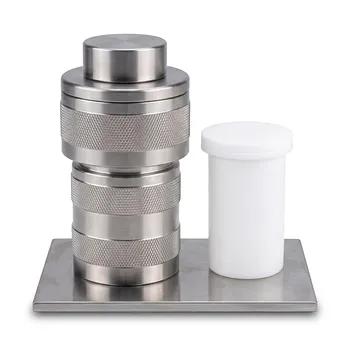
Catalyst-free hydrothermal synthesis dramatically streamlines laboratory workflows by eliminating the need for solid acids, bases, or heavy metal catalysts. By removing these additives at the start of the reaction, laboratories can significantly reduce their reliance on washing solvents, chromatography media, and disposable filtration materials. This shift not only simplifies purification but also aligns research operations with green chemistry principles and cost-reduction targets.
Catalyst-free hydrothermal synthesis minimizes the need for post-processing consumables by removing catalyst-related contaminants from the reaction mixture. This allows for high-purity product recovery using only minimal solvent volumes and simplified mechanical filtration.
The Impact on Laboratory Consumables
Reduction in Disposable Filtration Media
Traditional synthesis often requires multiple filtration steps to remove solid catalysts or neutralizing agents. In a catalyst-free hydrothermal environment, the absence of these solids means that laboratories can bypass high-volume disposable filters.
The process often requires only basic filtration equipment or minimal membrane usage to capture the final product. This reduction directly lowers the operational cost per reaction and minimizes laboratory waste streams.
Elimination of Complex Chromatography
Standard chemical synthesis frequently relies on column chromatography to separate products from catalyst residues or complex byproducts. This process is resource-intensive, consuming large quantities of silica gel, specialized resins, and glass or plastic columns.
Because hydrothermal methods leverage autogenous pressure and high temperatures to drive clean reactions, the resulting mixtures are often pure enough to avoid chromatography entirely. This saves both the physical media and the significant labor hours required for column preparation and monitoring.
Reducing Chemical Reagent Overhead
Minimal Solvent Consumption for Purification
In traditional methods, large volumes of organic washing solvents are necessary to leach catalysts out of the final product or to neutralize reactive species. Catalyst-free synthesis removes this requirement at the source.
Post-processing typically involves only minimal recrystallization solvents. This drastic reduction in solvent volume decreases the chemical procurement budget and lowers the costs associated with hazardous waste disposal.
Eliminating the Catalyst Procurement Cycle
The most direct impact is the complete removal of solid acids, bases, and heavy metal catalysts from the inventory. These reagents are often expensive, sensitive to environmental conditions, and require specialized storage.
By utilizing the unique properties of water at elevated pressure, the system provides the necessary molecular activation without these external additives. This simplifies the supply chain and removes the risk of heavy metal contamination in the final synthesized material.
The Role of Autogenous Pressure in Efficiency
Enhanced Mass Transfer and Activation
Enclosed hydrothermal reactors generate autogenous pressure during heating, which allows substrates to liquefy or gasify near their boiling points. This environment significantly enhances molecular activation and mass transfer without the need for chemical accelerators.
These conditions enable higher yields and shorter reaction times compared to traditional atmospheric pressure reactions. The efficiency of the reaction environment itself acts as the "catalyst," ensuring that reagents are converted to products with fewer side reactions.
Thermal Stability and Product Purity
The synthesis occurs at temperatures often below the decomposition point of the substrates, ensuring high selectivity. Because the reaction is "clean" from the start, the downstream requirement for reagents to stabilize or "quench" the reaction is virtually eliminated.
Understanding the Trade-offs
Equipment Integrity and Safety Requirements
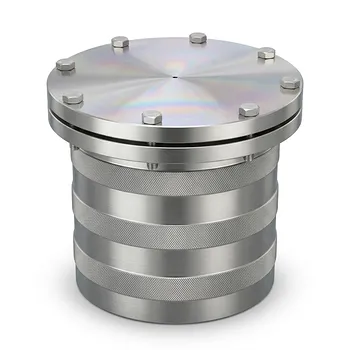
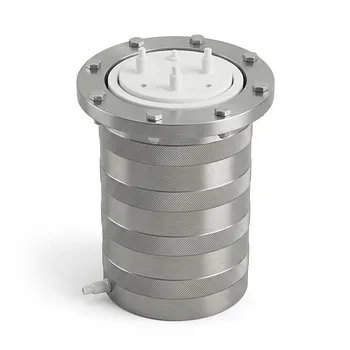
While consumable costs decrease, the reliance on high-pressure hydrothermal reactors increases the need for specialized hardware. These vessels must be regularly inspected for material fatigue and seal integrity to manage autogenous pressure safely.
Limitations in Scaling and Throughput
Hydrothermal synthesis is often performed in batch reactors, which can limit immediate throughput compared to continuous flow atmospheric systems. The time required for heating and cooling cycles must be factored into the overall laboratory timeline, even if the purification step is faster.
Specificity of Reaction Conditions
Not all chemical transformations are suitable for catalyst-free hydrothermal environments. Some reactions may still require specific catalysts if the activation energy cannot be overcome by pressure and temperature alone, meaning this approach is not a universal replacement for all synthetic pathways.
Applying This to Your Laboratory Workflow
How to Apply This to Your Project
Transitioning to catalyst-free hydrothermal methods requires balancing initial equipment investment against long-term consumable savings.
- If your primary focus is cost reduction: Prioritize hydrothermal methods to eliminate the recurring expense of expensive heavy metal catalysts and large-volume chromatography solvents.
- If your primary focus is environmental sustainability: Use this method to align with green chemistry goals by significantly reducing hazardous solvent waste and disposable plastic consumables.
- If your primary focus is product purity: Leverage the absence of catalyst residues to simplify your purification steps to basic filtration or recrystallization, ensuring a cleaner final material.
By leveraging the physics of high-pressure environments, laboratories can transition from reagent-heavy purification to a leaner, more efficient "clean synthesis" model.
Summary Table:
| Category | Impact of Catalyst-Free Method | Primary Lab Benefit |
|---|---|---|
| Filtration Media | Bypasses high-volume disposable filters | Reduced waste & operational costs |
| Chromatography | Eliminates need for resin/silica separation | Significant labor and material savings |
| Washing Solvents | Minimizes organic solvent volumes | Lower procurement and disposal fees |
| Catalyst Reagents | Removes solid acids/bases/heavy metals | Zero risk of catalyst contamination |
| Reaction Logic | Uses autogenous pressure for activation | Faster cycles and higher product purity |
Optimize Your Hydrothermal Workflow with KINTEK
Transitioning to catalyst-free synthesis requires equipment that can withstand extreme conditions without compromising purity. KINTEK specializes in high-performance fluoropolymer solutions tailored for precision research.
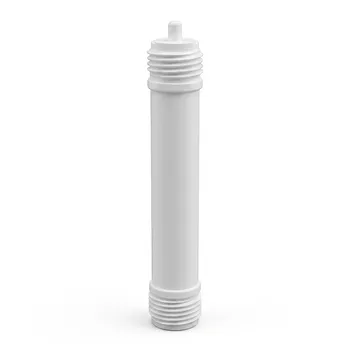
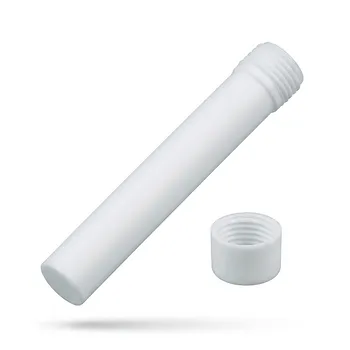
From everyday basic labware like PTFE/PFA beakers, crucibles, and reagent bottles to advanced hydrothermal synthesis liners and microwave digestion vessels, we provide the inert environment your reactions demand. Our capabilities extend to custom CNC fabrication, allowing us to deliver everything from complex non-standard machined parts to high-volume fluid transfer components (tubing, valves, and fittings).
Whether you are scaling up or refining trace analysis, KINTEK ensures your laboratory is equipped with the best in fluoropolymer technology.
Ready to elevate your lab's efficiency? Contact our experts today for a custom quote!
References
- Zhiqiang Wu, Wanyi Liu. Mild and Efficient Preparation of Organic Molecules with Different Structural Characteristics: Catalyst-Free and Solvent-Free Methods in Hydrothermal Synthesis Reactors. DOI: 10.2139/ssrn.4283399
This article is also based on technical information from Kintek Knowledge Base .
Related Products
- High Temperature Corrosion Resistant Hydrothermal Synthesis Reactor with TFM Inner Liner and Straight Cylinder Design
- PTFE Lined High Pressure Digestion Vessel 50ml High Temperature Hydrothermal Synthesis Tank
- Custom High Purity TFM Microwave Digestion Vessel 100ml Capacity Compatible Replacement Liner for Professional Analytical Instruments
- High Purity TFM Microwave Digestion Vessels for Trace Analysis and Custom Sample Preparation Systems
- Custom TFM Reaction Vessel with Stainless Steel Jacket and PTFE Inner Cup for High Corrosion Resistance
People Also Ask
- What is the role of a corrosion-resistant reactor in the synthesis of lignin-based carbon dots? Ensure Maximum Purity
- What are the technical advantages of using hydrothermal synthesis reactors for advanced electronic & optical nanomaterials?
- How does a hydrothermal synthesis reactor facilitate the production of crystalline materials with tailored morphologies? Precision Crystal Growth
- Why is the sealing reliability of a hydrothermal synthesis reactor critical for 24-hour cycles? Ensure Nano-Precision
- What role do hydrothermal synthesis reactors play in CQD preparation? Achieve High-Purity Nanomaterial Synthesis