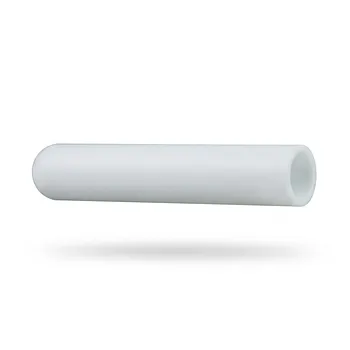
PTFE capillary tubing serves as a mission-critical component in aerospace fluid systems, providing a lightweight, chemically inert conduit for fuel transfer, hydraulic controls, and oxygen delivery. Its ability to maintain structural integrity under extreme thermal cycling—ranging from -55°C to +150°C—and resist degradation from aggressive aviation chemicals makes it indispensable for modern flight safety and efficiency.
PTFE capillary tubing is the definitive material choice for aerospace fluid systems because it combines near-universal chemical resistance with exceptional thermal stability and electrical insulation. This unique profile ensures reliable performance in high-vibration environments where traditional materials would succumb to corrosion or fatigue.
Resilience in Harsh Chemical Environments
Unmatched Resistance to Aviation Fluids
Aerospace systems rely on diverse and aggressive fluids, including aviation fuels, hydraulic fluids, and de-icing chemicals. PTFE’s carbon-fluorine backbone creates a protective sheath that is virtually non-reactive, preventing material degradation or leaching.
Hydrophobic Properties and Dimensional Stability
The tubing is inherently hydrophobic, featuring a water contact angle greater than 100° and water absorption levels below 0.01%. This prevents the material from swelling or changing dimensions, ensuring consistent flow rates and seal integrity even in high-humidity or submerged conditions.
Minimizing Friction and Fluid Drag
With an exceptionally low coefficient of friction (0.05 to 0.10), the tubing minimizes drag and prevents the accumulation of viscous residues. This "non-stick" characteristic is vital for maintaining laminar flow and reducing pressure drops within narrow capillary systems.
Thermal and Mechanical Performance Limits
Integrity Under Extreme Thermal Cycling
Aircraft operate in environments that shift rapidly from ground heat to high-altitude cold. PTFE tubing maintains its sealing integrity and flexibility throughout these cycles, supporting continuous operation from cryogenic levels up to 260°C in specific high-performance grades.
Vibration Dampening and Weight Reduction
The lightweight nature of PTFE contributes directly to reducing overall aircraft mass, which is critical for fuel efficiency. Furthermore, the material is engineered to withstand the high-vibration environments typical of engine compartments and hydraulic circuits without cracking.
Suitability for Vacuum and Spacecraft
In defense and space applications, PTFE exhibits low outgassing behavior, making it suitable for the vacuum conditions of space. This prevents the contamination of sensitive optical or electronic equipment by released volatile compounds.
Safety and Electrical Considerations
Dielectric Strength and Fire Safety
PTFE is non-flammable and possesses high dielectric strength, providing a critical safety barrier when fluid lines are routed near high-voltage electronics. It prevents electrical arcing, which is a significant fire hazard in oxygen delivery or fuel-transfer systems.
Purity in Microfluidic and Sensitive Systems
In specialized aerospace sensing applications, the chemical inertness of PTFE protects reagents from contamination. Its non-stick surface ensures that carry-over between different fluid samples is minimized, preserving the accuracy of onboard diagnostic systems.
Understanding the Trade-offs
Mechanical Limitations and "Cold Flow"
While PTFE is exceptionally durable, it is susceptible to creep or "cold flow" under sustained heavy loads. Engineers must account for this when designing mounting brackets or compression fittings to prevent the tubing from deforming over time.
Pressure-Velocity (PV) Constraints
Standard PTFE has limits regarding surface speeds and loading. While high PV-grade PTFE exists for use in bushings at speeds up to 30 m/s, standard capillary tubing must be properly rated for the specific pressure of hydraulic systems to avoid rupture.
Assembly and Installation Complexity
The very property that makes PTFE valuable—its low friction—can make it difficult to secure. Specialized fittings and installation techniques are required to ensure that the tubing does not slip or leak under the intense pressure and vibration of an active flight.
How to Apply This to Your Project
Making the Right Choice for Your Goal
- If your primary focus is weight reduction: Utilize PTFE capillary tubing in place of metal lines for non-structural fluid transfer to significantly lower the aircraft's take-off weight.
- If your primary focus is electronic safety: Leverage PTFE’s high dielectric strength and non-flammability for fluid lines routed through avionics bays or near engine igniters.
- If your primary focus is system longevity: Select high-grade PTFE to resist the corrosive effects of modern synthetic hydraulic fluids and de-icing agents that degrade standard elastomers.
- If your primary focus is vacuum performance: Ensure the specified PTFE grade meets low-outgassing standards to prevent the fogging of sensors or contamination in spacecraft environments.
By matching the specific grade of PTFE to the thermal and chemical demands of the environment, engineers can create fluid systems that are both safer and more efficient.
Summary Table:
| Feature | Aerospace Benefit | Performance Metric |
|---|---|---|
| Chemical Resistance | Withstands fuels, hydraulics, & de-icers | Near-universal inertness |
| Thermal Stability | Reliable in extreme altitude cycling | -55°C to +260°C range |
| Friction & Flow | Minimizes drag and residue buildup | 0.05 - 0.10 Coef. of friction |
| Mass Efficiency | Lowers take-off weight vs. metal lines | High strength-to-weight ratio |
| Dielectric Strength | Critical fire safety near avionics | High electrical insulation |
| Vacuum Integrity | Suitable for spacecraft environments | Low outgassing behavior |
Elevate Your Aerospace Systems with KINTEK’s Precision Fluoropolymers
Maximize the safety and efficiency of your fluid systems with KINTEK, your specialized partner in high-performance PTFE and PFA solutions. From everyday basic labware (beakers, measuring cylinders, crucibles, reagent bottles) to comprehensive fluid transfer components (tubing, fittings, valves) and advanced sample prep tools, we provide the mission-critical materials your project demands.
Why choose KINTEK?
- Unrivaled Material Focus: We maintain an exclusive focus on high-performance fluoropolymers, ensuring superior chemical and thermal resilience.
- End-to-End Customization: Backed by custom CNC fabrication, we deliver everything from complex non-standard machined parts and bespoke laboratory setups to high-volume orders.
- Advanced Engineering: Our range extends to advanced derivative apparatus, including electrochemical cells, battery testing fixtures, and microwave digestion vessels.
Don't settle for standard when you can have precision-engineered reliability. Contact KINTEK today to discuss your custom requirements!
Related Products
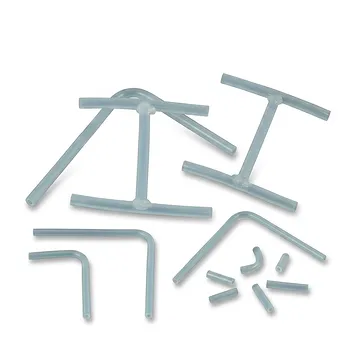
- High Performance PFA Coiled Spring Tubing and Custom PTFE Fabrication Services with Welded Fittings and Precision Bent Components
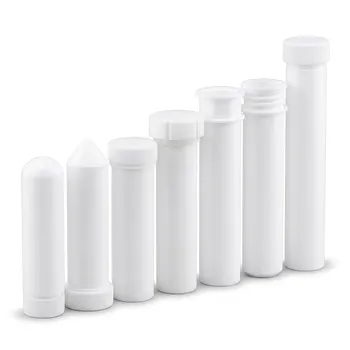
- Custom High Purity PTFE Digestion Tubes and Centrifuge Tubes for Trace Metal Analysis
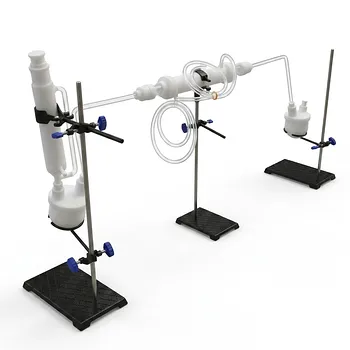
- Custom PTFE Condenser Tube Hydrofluoric Acid Resistant Reflux Device Constant Pressure Separatory Funnel
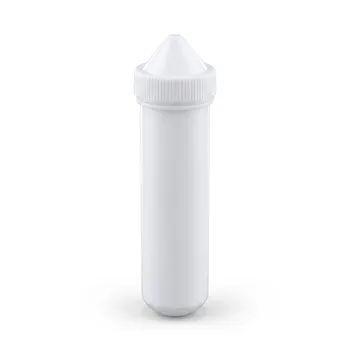
- High Purity PTFE Digestion Tubes and Custom Centrifuge Tubes 100ml for Trace Analysis and Chemical Digestion
- Custom PTFE Condenser Tube Reflux Reaction Condensation Purification Device Semiconductor Chemical Lab Equipment
People Also Ask
- What are the technical advantages of high-precision PFA tubing in MXene production? Maximize Purity and Yield.
- What technical advantages do PFA tubing and fittings offer? Master Precision Fluid Transfer and Flow Chemistry
- What are the technical advantages of high-quality PFA tubing? Achieve Ultimate Purity and Precision in Fluid Handling
- What are the key benefits of PTFE in custom fabrication? Unlock Performance in Extreme Conditions
- What fabrication services are available for PTFE? Shearing, Stamping, Laser Cutting, Molding & Machining