Low surface energy is the foundation of fluoropolymer non-stick performance, while low friction and chemical stability help protect laboratory components from wear. In materials such as PTFE and PFA, fluorinated molecular groups create weak intermolecular attractions at the surface. Liquids, particles, biological residues, and chemical compounds therefore wet the surface poorly and are less likely to adhere during fluid transfer, storage, digestion, or analysis.
Low surface energy reduces adhesion and residue retention; low friction reduces drag and mechanical interaction during repeated use. Together with fluoropolymers’ chemical inertness, these properties support clean fluid handling and help limit surface wear, although low surface energy alone does not make a component immune to abrasion.
Why Fluoropolymers Resist Sticking
Fluorine Reduces Surface Attraction
Fluorine has low polarizability, so fluorinated polymer chains generate relatively weak intermolecular attractions at the exposed surface. This produces exceptionally low surface energy compared with many conventional plastics and metals.
A liquid must expend less energy to separate from the fluoropolymer than from a higher-energy surface. The result is reduced wetting, spreading, and adhesion.
Low Wetting Limits Residue Retention
The surface is both hydrophobic and, for many oils and organic compounds, oleophobic. Water-based samples, reagents, oils, dissolved compounds, and biological macromolecules are less likely to form persistent films or bonded residues.
In tubing, valves, vessels, and linings, this helps fluids pass through with less material left behind on the internal walls.
Non-Stick Behavior Improves Sample Recovery
Reduced adhesion is particularly valuable in trace analysis and sample preparation. Less sample remains on vessel walls, tubing, fittings, or valve surfaces after draining or rinsing.
This supports more complete volumetric delivery, reduces sample loss, and lowers the risk that material from one batch will contaminate the next.
How Low Surface Energy Supports Abrasion Resistance
Low Adhesion Reduces Surface Drag
Low surface energy is closely associated with fluoropolymers’ low coefficient of friction and inherent lubricity. When fluid-borne particles, moving components, or contacting surfaces interact with the polymer, they encounter less resistance.
Lower friction can reduce scraping and shear forces during repeated fluid transport, valve operation, fitting assembly, and cleaning.
Less Residue Means Less Mechanical Cleaning
Adhered deposits can act as abrasive layers when they are scrubbed, flushed, or forced through narrow passages. Because fluoropolymer surfaces retain fewer residues, cleaning often requires less aggressive mechanical action.
That can reduce repeated scouring of tubing walls, vessel interiors, and valve surfaces, helping preserve the original finish over time.
Chemical Stability Protects the Surface
PTFE and PFA are highly chemically resistant. They are less likely to swell, soften, or degrade when exposed to many aggressive reagents, allowing the low-friction surface characteristics to remain useful across demanding laboratory workflows.
This is an important distinction: abrasion resistance comes from the combined material system, including low friction, polymer structure, chemical stability, and application conditions. It does not result from low surface energy in isolation.
What This Means in Laboratory Equipment
Tubing and Fluid Paths
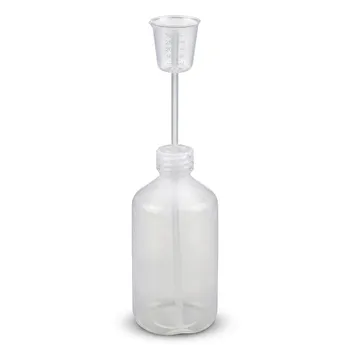
In PTFE and PFA tubing, low surface energy reduces droplet retention and sample adsorption along the internal wall. Low friction also helps maintain smooth fluid movement and limits interaction between the wall and suspended particles.
These effects are useful where complete transfer, low contamination, and repeatable cleaning are important.
Valves and Fittings
Valve seats, seals, and fittings can benefit from reduced adhesion during repeated operation. Fluids and residues are less likely to bind strongly to contact surfaces, while low friction can reduce operating resistance and mechanical surface interaction.
Proper design remains essential because abrasion can still occur at seals, threads, contact points, or areas exposed to particulate contamination.
Vessels, Linings, and Digestion Equipment
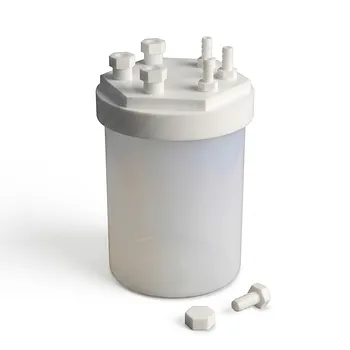
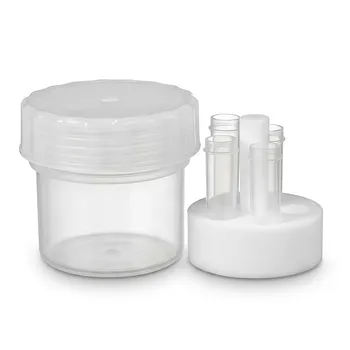
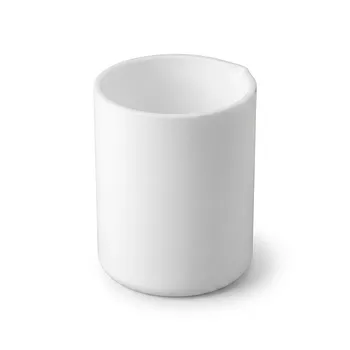
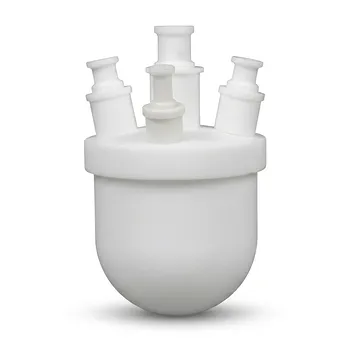
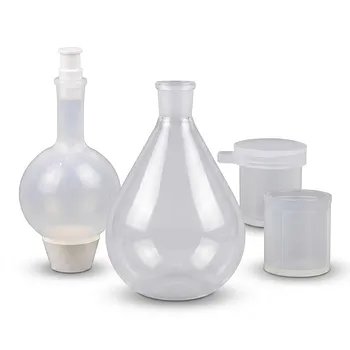
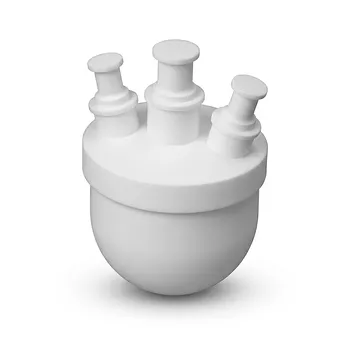
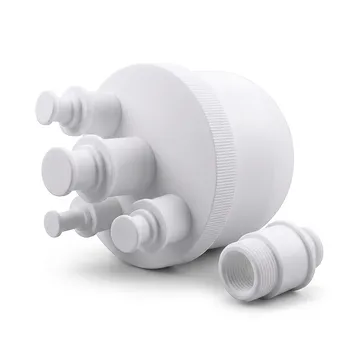
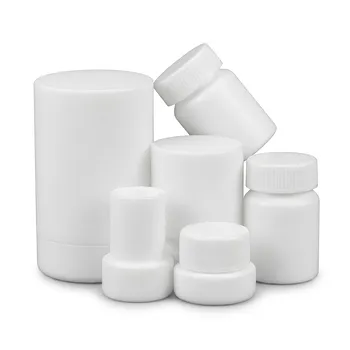
Fluoropolymer vessels and linings help prevent samples and reagents from forming persistent films on internal surfaces. This supports more complete recovery and simplifies rinsing after digestion, concentration, or trace-element analysis.
The same non-stick behavior reduces the amount of residue available to become a mechanically difficult deposit.
Understanding the Trade-offs
Low Surface Energy Does Not Prevent All Wear
A fluoropolymer can still be damaged by sharp particles, excessive contact pressure, rough mating surfaces, scraping tools, or repeated flexing. Low friction reduces mechanical interaction, but it cannot eliminate abrasive forces.
Equipment exposed to solid particulates or aggressive flow conditions should be evaluated for actual wear rather than selected solely on the basis of non-stick performance.
Surface Texture Changes Performance
Surface roughness, manufacturing marks, contamination, and mechanical damage can affect wetting and residue retention. A textured or damaged surface may trap material even when the underlying polymer has very low surface energy.
Claims such as extremely high contact angles also depend on surface texture and measurement conditions; they should not be treated as universal properties of every fluoropolymer component.
Long-Term Surface Stability Matters
Fluorinated segments tend to concentrate at interfaces because doing so lowers the system’s surface energy. In some formulations and aqueous environments, however, surface reorganization or phase separation can affect long-term consistency.
For critical equipment, engineers should consider formulation, processing, temperature, chemical exposure, and service life rather than assuming that initial surface behavior will remain unchanged indefinitely.
Temperature and Mechanical Limits Still Apply
Fluoropolymers offer strong chemical resistance, but their mechanical performance depends on temperature, load, pressure, and design. Creep, deformation, and wear at stressed contact points may become more important than surface adhesion in a poorly designed component.
Material selection must therefore match the full operating envelope, including pressure cycles and cleaning procedures.
How to Apply This to Your Project
Low surface energy is most valuable when the laboratory workflow depends on clean transfer, low residue, and repeated use.
- If your primary focus is sample recovery: Use PTFE or PFA fluid paths and vessels to reduce wetting, wall retention, and adhesion during transfer and rinsing.
- If your primary focus is cross-contamination control: Select fluoropolymer components that minimize residue retention and can be cleaned without aggressive mechanical scrubbing.
- If your primary focus is abrasion resistance: Combine fluoropolymer low friction with smooth mating surfaces, controlled particle levels, suitable loads, and an application-specific wear evaluation.
- If your primary focus is long-term reliability: Verify temperature, pressure, chemical compatibility, surface stability, and mechanical contact conditions rather than relying on low surface energy alone.
Understanding the difference between anti-adhesion and mechanical durability allows fluoropolymer equipment to be selected and designed for reliable, low-contamination fluid handling.
Summary Table:
| Aspect | Role of Low Surface Energy | Practical Benefit |
|---|---|---|
| Non-stick behavior | Reduces wetting and adhesion | Minimal residue retention, easier cleaning |
| Sample recovery | Lowers wall retention | More complete transfer, less cross-contamination |
| Abrasion resistance | Lowers friction and drag | Reduces mechanical wear, preserves surface finish |
| Chemical stability | Resists degradation | Maintains performance in aggressive environments |
| Trade-offs | Cannot prevent all wear | Requires design and operational considerations |
Upgrade Your Lab with High-Performance Fluoropolymer Solutions
At KINTEK, we specialize in precision PTFE and PFA laboratory equipment designed to maximize non-stick performance and durability. Whether you need tubing, valves, vessels, or custom machined parts, our products minimize sample loss, reduce contamination, and withstand demanding conditions. For distributors, we offer OEM/ODM support, certifications, and reliable supply chains to boost your business. Contact us today to find the perfect solution for your lab or customers – let's enhance your efficiency together. Get in touch now!
Related Products
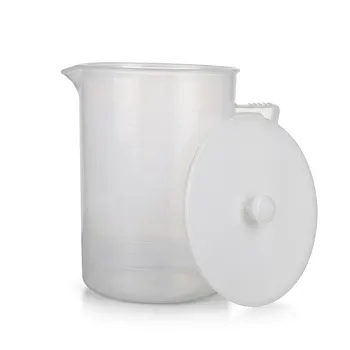
- High Purity PFA Beaker with Handle and Large Capacity Washable Soak Basket Multi Spec Teflon Laboratory Labware
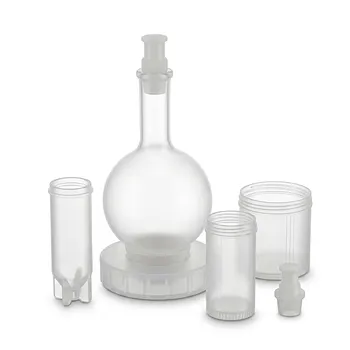
- Custom PFA Pear Shaped Flask High Purity Corrosion Resistant Labware Custom Molded Fluoropolymer Flask Glass Replacement Solution
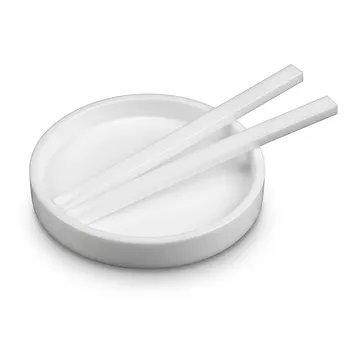
- Custom PTFE Petri Dish 120mm Diameter Corrosion Resistant Low Background High Purity Labware
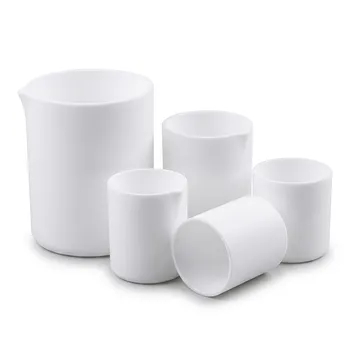
- Large Scale PTFE Beakers and Flasks for High Temperature Corrosion Resistant Laboratory Applications with Custom CNC Fabrication
- Custom Polytetrafluoroethylene PTFE Petri Dishes 60mm Corrosion Resistant Low Background Labware
People Also Ask
- Why use chemical-resistant labware for magnesium etching? Ensure High-Purity Results with PFA Beakers
- What are the advantages of high-purity PFA labware for NiFe catalyst prep? Ensure Precision and Trace-Level Purity.
- Why Use PFA Labware for MnFe2O4/rGO Precursors? Ensure Stoichiometric Precision and Purity
- Why are high-purity vessels critical for BiFeO3 synthesis? Ensuring Phase Purity
- What role does PFA labware play in semiconductor manufacturing? Ensuring Ultra-Pure Yields and Zero Contamination