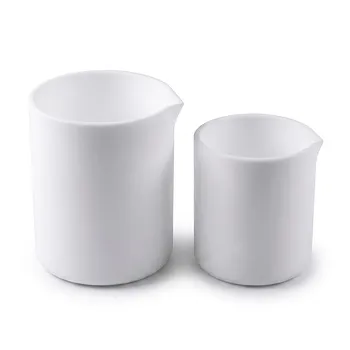
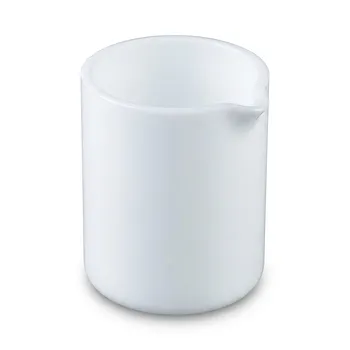
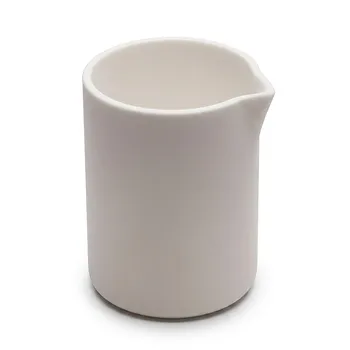
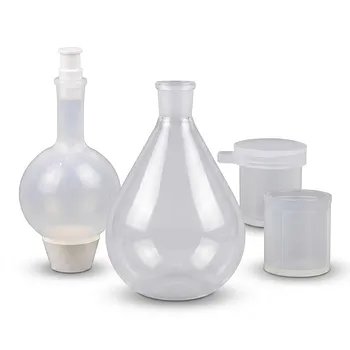
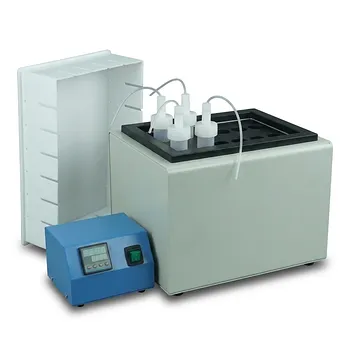
Chemical etching of magnesium alloys requires high-purity, chemical-resistant labware like PFA beakers to prevent the leaching of impurities into highly aggressive acidic solutions. Because magnesium etching involves intense redox reactions using reagents like nitric acid and copper chloride, standard glass or low-grade plastics can react with the solution, contaminating the sample and compromising the reproducibility of the microscopic surface morphology.
Core Takeaway: Utilizing chemically inert materials like PFA or PTFE is critical for maintaining the purity of the etching environment, ensuring that experimental results reflect the material's inherent properties rather than contamination from the container.
The Role of Aggressive Reagents in Magnesium Etching
Managing Intense Redox Reactions
The chemical etching process for magnesium alloys utilizes highly corrosive substances, including nitric acid, copper chloride, and various sulfates. These chemicals are designed to aggressively remove oxide layers and create a specific microscopic roughness on the metal surface.
Ensuring Morphological Reproducibility
If the etching container is not chemically resistant, the solution may react with the beaker walls, altering the chemical concentration of the etchant. This shift prevents the reproducibility of the etched morphology, leading to inconsistent surface textures across different experimental runs.
Prioritizing Laboratory Safety
Using specialized containers like PFA beakers or custom tanks protects the integrity of the vessel during these violent reactions. This prevents structural failure of the container, ensuring safety during operations involving these hazardous and corrosive reagents.
Protecting Data Integrity through Chemical Inertness
Preventing Ion Leaching
During long-term immersion or electrochemical testing, standard labware can leach impurity ions into the electrolyte. High-purity materials like PFA (Perfluoroalkoxy) and PTFE (Polytetrafluoroethylene) are extremely inert, ensuring that no foreign elements enter the solution.
Accuracy in Trace Corrosion Analysis
When collecting trace corrosion products, even microscopic amounts of contamination from a container can cause significant experimental errors. Using PFA ensures that the analysis accurately reflects the inherent corrosion resistance of the magnesium alloy being studied.
Parallels in Advanced Material Synthesis
Similar to the synthesis of MXenes, where LiF and HCl are used to etch aluminum layers, magnesium etching requires a stable reaction environment. Maintaining high purity prevents impurity ions from compromising the electrical or mechanical properties of the final material.
Understanding the Trade-offs
Cost vs. Performance
The primary drawback of PFA and PTFE labware is the significantly higher initial cost compared to borosilicate glass or standard polypropylene. However, the longevity and the prevention of failed experiments usually justify the investment in a professional laboratory setting.
Physical Limitations
While PFA is chemically superior, it is often translucent rather than transparent, which can make visual monitoring of the etching reaction slightly more difficult than with glass. Additionally, while these materials have high thermal stability, they have specific temperature thresholds that must not be exceeded to avoid deformation.
Making the Right Choice for Your Goal
To achieve the best results in your magnesium etching or corrosion studies, select your labware based on the specific requirements of your protocol:
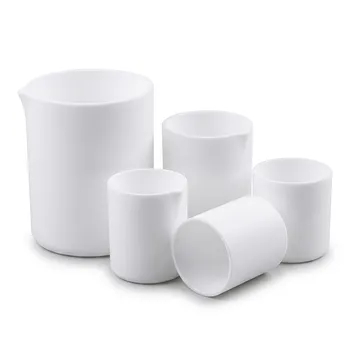
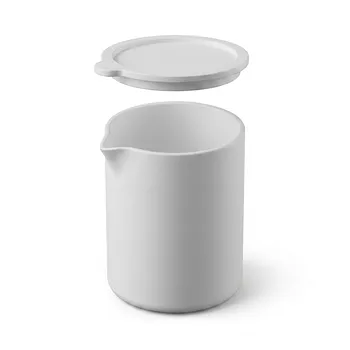
- If your primary focus is surface morphology reproducibility: Use PFA beakers to ensure the etchant concentration remains stable and uncontaminated by container reactions.
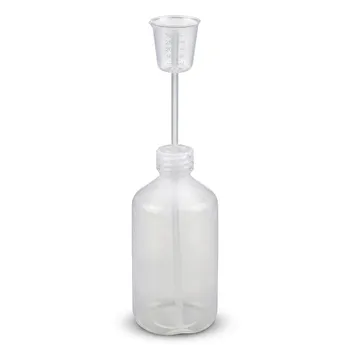
- If your primary focus is trace element analysis or electrochemical testing: Prioritize high-purity PTFE or PFA sampling bottles to prevent the leaching of impurity ions into your electrolyte.
- If your primary focus is safety during aggressive acid handling: Invest in heavy-walled PFA tanks designed to withstand the heat and pressure of intense redox reactions without degrading.
By selecting the appropriate chemically inert materials, you secure both the safety of your laboratory and the absolute integrity of your scientific data.
Summary Table:
| Feature | PFA/PTFE Labware Benefit | Importance in Magnesium Etching |
|---|---|---|
| Chemical Inertness | Resistance to nitric acid & copper chloride | Prevents etchant concentration shifts and vessel degradation. |
| High Purity | Near-zero ion leaching | Ensures accuracy in trace corrosion analysis and electrochemical data. |
| Thermal Stability | Resists heat from redox reactions | Maintains structural integrity during violent exothermic etching processes. |
| Surface Property | Non-stick & hydrophobic | Facilitates easy cleaning and recovery of all corrosion products. |
Secure Your Research Integrity with KINTEK
Precision in magnesium alloy etching demands a contamination-free environment. KINTEK provides an exhaustive range of high-performance fluoropolymer solutions tailored for the most demanding laboratory workflows. From everyday basics like PFA beakers, centrifuge tubes, and spatulas to advanced custom-machined electrochemical cells, hydrothermal synthesis liners, and microwave digestion vessels, our products ensure your data reflects the material, not the container.
Backed by end-to-end custom CNC fabrication, we deliver everything from high-volume consumables to bespoke non-standard parts with an exclusive focus on PTFE and PFA excellence. Contact us today to upgrade your lab setup and experience the KINTEK advantage in chemical resistance and purity.
References
- Zainab Sabah Abbas, Xi Liu. Innovative Fabrication Techniques of Superhydrophobic Coatings for Corrosion Protection of Magnesium Alloy (AZ31): A Review. DOI: 10.51173/jt.v7i3.2699
This article is also based on technical information from Kintek Knowledge Base .
Related Products
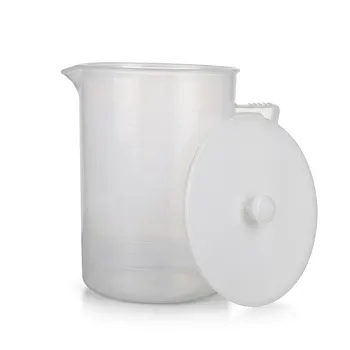
- High Purity PFA Beakers with Handles and Cleaning Baskets for Trace Analysis and Industrial Chemical Processing
- High Purity PFA Beaker with Handle and Large Capacity Washable Soak Basket Multi Spec Teflon Laboratory Labware
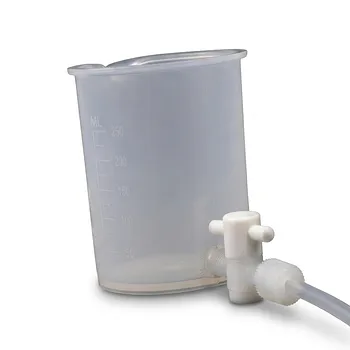
- PFA Beaker with Integrated Drainage Valve and Discharge Tube for Corrosive Chemical Processing and High Purity Laboratory Applications
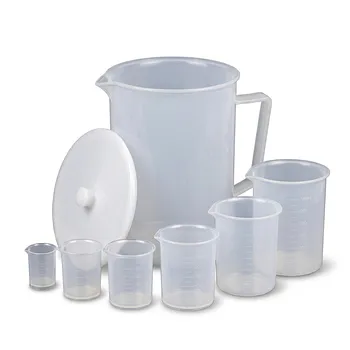
- High Purity PFA Beakers with Handles Large Capacity Chemical Resistant Teflon Laboratory Beakers and Custom Cleaning Baskets
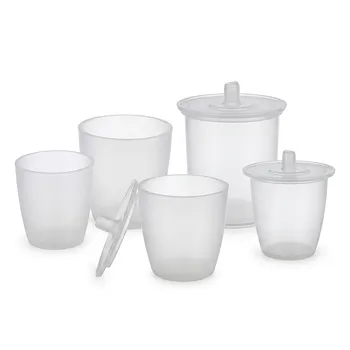
- High Purity PFA Crucible and Corrosion Resistant PTFE Beaker for Trace Analysis and Custom Laboratory Applications
People Also Ask
- Why are high-purity vessels critical for BiFeO3 synthesis? Ensuring Phase Purity
- Why is high-purity PFA labware preferred when preparing mixed solutions? Prevent Trace-Metal Leaching & Contamination
- What are the core advantages of high-purity PFA labware? Achieve Unmatched Precision in Trace Analysis
- Why Is High-Purity PFA Preferred for Trace Analysis and Synthesis? Achieve Unmatched Analytical Precision
- Why use PFA labware for LiFePO4 precursor preparation? Ensure Trace Metal Purity & Superior Battery Performance.