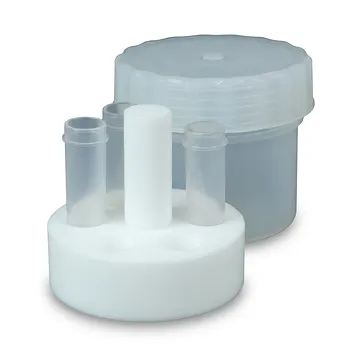
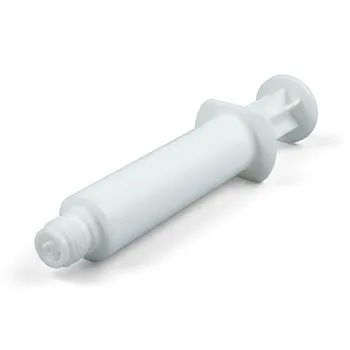
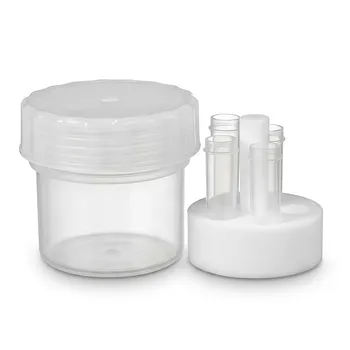
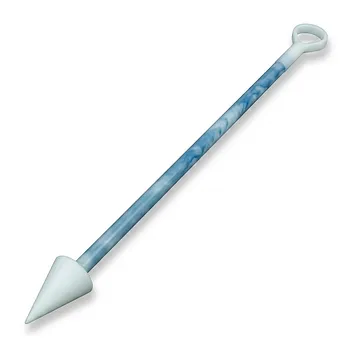
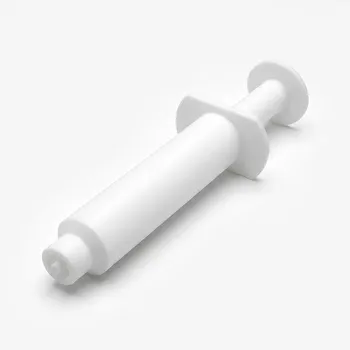
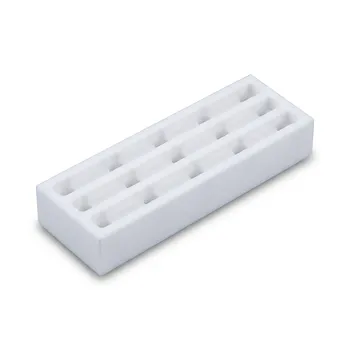
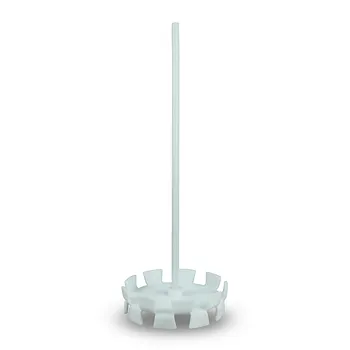
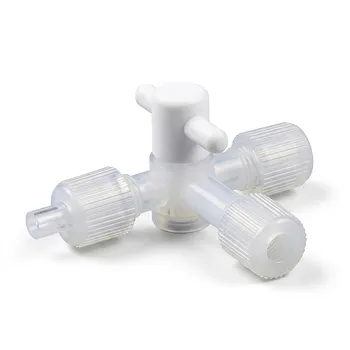
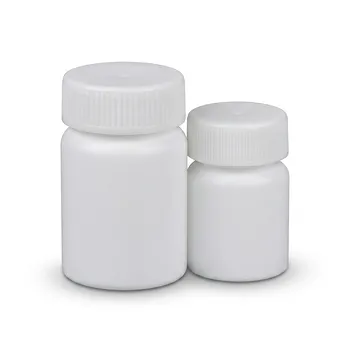
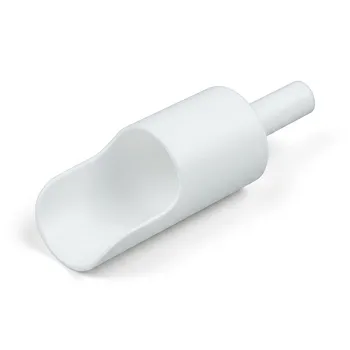
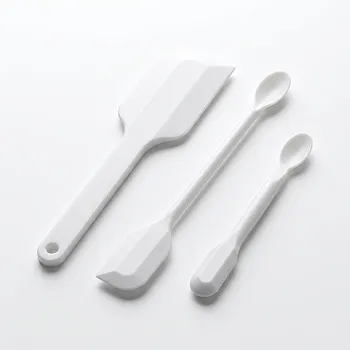
PTFE benefits fluoropolymer fluid transfer components and sample handling labware in two complementary ways: its exceptionally low surface energy creates hydrophobic and oleophobic non-stick behavior, while its very low coefficient of friction allows fluids and moving parts to interact with minimal resistance. Together, these properties reduce liquid adhesion, sample retention, residual hold-up volume, and friction-related wear in tubing, fittings, valves, centrifuge tubes, wash bottles, beaker liners, and other laboratory components.
The central benefit is cleaner, more complete handling: PTFE surfaces discourage liquids, viscous substances, and biological samples from clinging to equipment while allowing fluids and mechanical components to move smoothly. This supports higher sample recovery, lower cross-contamination risk, easier cleaning, and more reliable fluid transfer.
How PTFE Surface Energy Controls Liquid Adhesion
Why Low Surface Energy Matters
PTFE has an exceptionally low surface energy, commonly cited at approximately 18 dynes/cm. A low-energy surface is difficult for many liquids and substances to wet and adhere to, producing the familiar non-stick and fluid-repellent behavior associated with fluoropolymers.
The result is less spreading across interior walls and less residue left behind after draining, dispensing, or transferring a sample.
Hydrophobic and Oleophobic Behavior
PTFE resists adhesion from both water-based and many oily or hydrocarbon-containing substances. This combination of hydrophobicity and oleophobicity is valuable when labware handles chemically diverse reagents, solvents, biological samples, or viscous materials.
The exact level of repellency depends on the liquid, temperature, surface condition, and flow behavior. Low surface energy reduces adhesion, but it does not make every substance completely unable to wet or cling to PTFE.
Lower Sample Retention
When a liquid does not readily adhere to a container wall, less of the sample remains as a film, droplet, or residue after transfer. This reduces residual hold-up volume, which is especially important when working with small or high-value samples.
In trace analysis, even a small retained quantity can affect recovery calculations or the amount available for subsequent testing. PTFE helps minimize that loss.
How Low Friction Improves Fluid Transfer
Smoother Flow Through Tubing and Fittings
PTFE has one of the lowest coefficients of friction among common solid materials. Frequently cited values are around 0.04 for dynamic friction and approximately 0.05 to 0.10 for certain static-friction conditions, although the measured value varies with load, counterface, speed, surface finish, and test method.
For PTFE tubing, fittings, and valve passages, low friction reduces resistance at interfaces and helps fluids move smoothly through the transfer path. This is useful for precise dispensing and for systems that must handle viscous or sensitive materials without excessive mechanical force.
Easier Operation of Valves and Seals
Low friction also benefits moving components such as stopcocks, valve elements, plungers, and seal interfaces. Components can operate with less sliding resistance, reducing the force or torque required for actuation.
In some assemblies, PTFE's self-lubricating behavior can reduce the need for external lubricants. That matters in high-purity chemical and biological applications where lubricant carryover could compromise the sample.
Reduced Mechanical Wear
Lower friction generally reduces rubbing between contacting surfaces. This can help limit mechanical wear in repeatedly operated valves, fittings, and other moving assemblies, provided the component design, loads, temperature, and mating materials are appropriate.
PTFE is not immune to wear, deformation, or creep. Its frictional advantage must therefore be evaluated alongside pressure, temperature, cycling, and dimensional requirements.
Benefits for Sample Handling Labware
Higher Recovery of Precious Samples
PTFE centrifuge tubes, digestion vessels, beaker liners, wash bottles, and custom-machined sample containers can reduce the amount of material left on the walls after pouring, washing, or pipetting.
This improves practical recovery without requiring additional rinsing steps that might dilute the sample or introduce contamination.
Lower Cross-Contamination Risk
Residual films and droplets can carry material from one test cycle into the next. By minimizing adhesion and retained volume, PTFE reduces one important source of carryover between samples or chemical batches.
The material alone does not guarantee contamination-free operation. Cleaning validation, component geometry, dead-leg control, and handling procedures remain essential.
More Efficient Cleaning
A non-stick surface is generally easier to rinse and clean because residues have less opportunity to bond strongly to the material. This can shorten cleaning processes and reduce the mechanical effort needed to remove sticky or viscous substances.
Cleaning performance still depends on the chemistry of the residue and the selected cleaning method. Some materials can remain difficult to remove even from low-energy surfaces.
Better Performance in Micro-Volume Work
Small droplets and thin residual films represent a larger percentage of the total sample when volumes are low. PTFE's resistance to wetting and adhesion can therefore be particularly valuable in trace analysis and other micro-volume workflows.
Reducing droplet retention helps improve transfer consistency and makes measured recovery less dependent on the shape or orientation of the vessel.
Benefits for Fluid Transfer Components
Tubing and Custom Liquid Paths
PTFE tubing provides a low-adhesion pathway for chemical and biological fluids. Less material remains on the inner wall, and the smooth, low-friction surface supports consistent transfer through the line.
This is especially useful when the system must be flushed between samples or when sample loss within the tubing would be significant.
Fittings and Valves
PTFE fittings and valves benefit from reduced friction at sliding or sealing interfaces and from low surface adhesion within wetted passages. These characteristics support smooth actuation and help minimize trapped liquid around functional surfaces.
Component geometry remains important. Poorly designed cavities, dead legs, or oversized passages can retain fluid even when the material itself has excellent non-stick properties.
Sealing Applications
In some PTFE sealing arrangements, low friction can reduce torque loss during installation. More of the applied torque can be converted into the compressive force needed to establish the seal rather than being consumed by thread or interface friction.
Seal reliability still depends on compression, surface finish, dimensional tolerances, temperature, pressure, and PTFE's tendency to creep under load.
Understanding the Trade-offs
Low Adhesion Is Not Universal
PTFE's low surface energy strongly discourages adhesion, but performance varies with the liquid's surface tension, viscosity, temperature, composition, and contact time. Certain substances may still wet, penetrate, or leave residues on PTFE.
Designers should verify recovery and cleaning performance using the actual sample and process conditions.
Friction Values Are Test-Dependent
A single coefficient-of-friction value should not be treated as a universal material constant. Static and dynamic friction differ, and results change according to the mating surface, pressure, speed, lubrication state, and test method.
Published figures such as 0.04 dynamic friction or 0.05 to 0.10 static friction are useful for comparison, but application testing is necessary for precise mechanical design.
PTFE Does Not Replace Good System Design
Low surface energy cannot compensate for poor drainage, unnecessary joints, dead-volume pockets, or unsuitable valve geometry. These design features can retain samples independently of the material's non-stick behavior.
For high-recovery systems, material selection and fluid-path design must be considered together.
Mechanical Constraints Still Apply
PTFE may deform or creep under sustained load, and its mechanical behavior changes with temperature. Pressure-rated fittings, seals, and valves must be selected using the operating conditions rather than friction and surface-energy properties alone.
Making the Right Choice for Your Goal
PTFE is most valuable when sample recovery, cleanliness, and smooth operation are central requirements.
- If your primary focus is maximum sample recovery: Use PTFE wetted surfaces to reduce wall films, droplet retention, and residual hold-up volume during transfers.
- If your primary focus is cross-contamination control: Combine PTFE's low adhesion with validated cleaning, flushing, and dead-volume-minimizing component designs.
- If your primary focus is smooth valve or seal operation: Use PTFE where low friction can reduce actuation force, torque loss, and the need for external lubricants.
- If your primary focus is reliable fluid transfer: Select PTFE tubing, fittings, and valves with appropriate internal geometry, pressure ratings, temperature limits, and sample compatibility.
PTFE's surface energy and frictional characteristics make it a strong choice for laboratory systems that must transfer fluids cleanly, recover samples efficiently, and operate with minimal mechanical resistance.
Summary Table:
| Property | Value/Behavior | Benefits |
|---|---|---|
| Surface Energy | ~18 dynes/cm | Hydrophobic & oleophobic; non-stick; reduces sample retention & cross-contamination |
| Coefficient of Friction | Dynamic ~0.04; Static ~0.05-0.10 | Smooth flow, easier valve operation, less wear, reduced torque loss |
| Combined Effect | Low adhesion + low friction | Cleaner transfers, higher sample recovery, easier cleaning, reliable sealing |
Ready to Enhance Your Fluid Transfer and Sample Handling?
At KINTEK, we specialize in high-performance fluoropolymer labware and fluid transfer components crafted from PTFE and PFA. Whether you need standard beakers, tubing, valves, or custom-machined parts, our products are designed to reduce sample retention, minimize cross-contamination, and ensure smooth, reliable operation. Backed by our end-to-end CNC machining capabilities, we deliver bespoke solutions tailored to your exact needs.
Contact us today to discuss your application and discover how our PTFE/PFA solutions can boost your lab's efficiency and accuracy.
Related Products
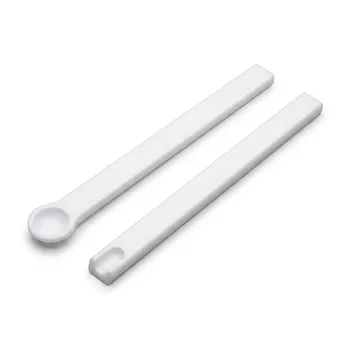
- Corrosion Resistant PTFE Sampling Spoon for High Purity Solid Powder Reagent Handling and Laboratory Chemical Transfer
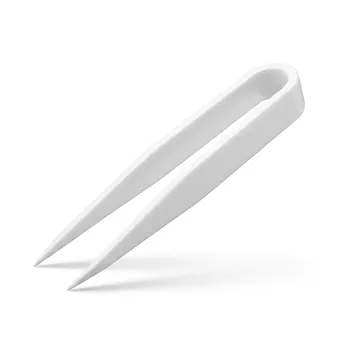
- High Purity PTFE Lab Tweezers Chemical Resistant Heat Stable Non Stick Precision Sample Handling Forceps
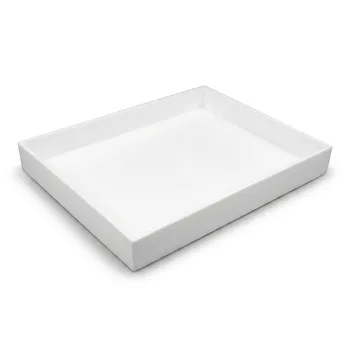
- High Purity PTFE Trays Corrosion Resistant Laboratory Labware Customizable Square Round Fluoropolymer Trays
- Custom PTFE Constant Pressure Separatory Funnel Corrosion Resistant Low Background Labware for PFA Flasks
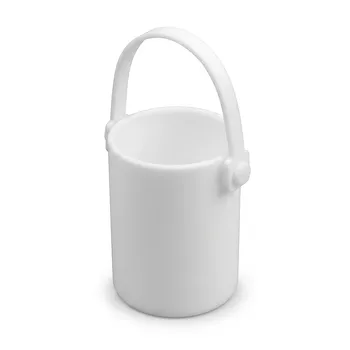
- Customizable 22ml PTFE Cup Deep Layer Sampler and Corrosion Resistant Cylinder with Handle
People Also Ask
- How does PTFE's chemical resistance make it suitable for high-purity lab supplies and transfer systems? Discover its key benefits in handling extreme corrosives.
- How do the high melting point and non-flowing melt characteristics of PTFE influence custom machining? Discover key fabrication insights and design tips for lab fluid components.
- How do the low surface energy and non-wetting properties of PTFE fluoropolymers benefit precision laboratory fluid transfer components and analytical labware? Discover the advantages for your lab.
- How do fluoropolymers benefit fluid transfer systems and sample prep containers? Non-stick performance for improved recovery, reduced contamination, and easier cleaning.
- What factors should be considered when selecting a PTFE shovel for laboratory use? Ensure Chemical Inertness & Sample Integrity