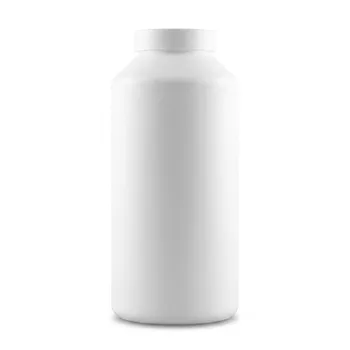
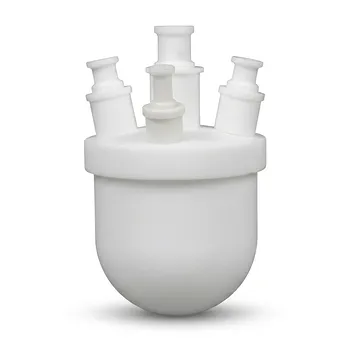
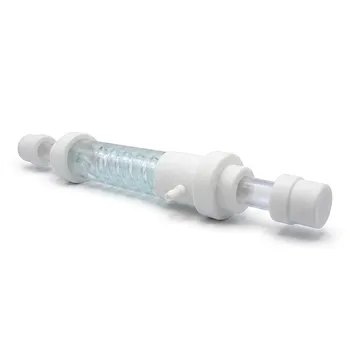
Fluoropolymers improve fluid handling and sample recovery by making internal surfaces exceptionally difficult for liquids, residues, and analytes to wet or grip. Their very low surface energy creates non-stick, hydrophobic, and often oleophobic behavior, reducing droplet retention and sample adhesion to vessel walls. Their low coefficient of friction and self-lubricating behavior also supports smoother flow through tubing, valves, fittings, and other liquid-handling components.
The central benefit is reduced sample hold-up: fluoropolymer surfaces help liquids drain, transfer, and rinse more completely, improving recovery while lowering the risk of carryover and cross-contamination.
How Low Surface Energy Improves Sample Recovery
It Reduces Liquid Adhesion
Fluoropolymers such as PTFE and PFA have exceptionally low surface energy. Liquids therefore tend to spread less readily across these surfaces and are less likely to form persistent films or droplets.
In trace-analysis vessels, digestion tubes, wash bottles, beakers, and liners, this reduces the amount of sample left behind after pouring, dispensing, rinsing, or draining.
It Minimizes Residual Hold-Up Volume
Residual hold-up volume is the liquid that remains trapped or clinging to a component after transfer. Even a small retained quantity can matter when samples are scarce or analyte concentrations are very low.
Low-energy fluoropolymer surfaces allow more of the sample to leave the vessel or flow through the system, improving material balance and making recovery measurements more reliable.
It Limits Analyte Absorption and Retention
Fluoropolymers are chemically resistant and have low solubility in hydrocarbons and many organic environments. This reduces the tendency of sample components to be absorbed into, or strongly retained by, the material.
That property is important when handling trace analytes, solvents, viscous substances, or samples whose composition must remain unchanged during preparation and transfer.
How Low Friction Improves Fluid Handling
It Supports Smooth Flow
Fluoropolymers have a very low coefficient of friction. In tubing, valves, fittings, and machined liquid-handling components, this reduces resistance at interfaces and helps fluids move smoothly.
The practical result is more consistent dispensing, draining, and transfer, particularly where narrow passages, repeated valve operation, or viscous liquids are involved.
It Reduces Mechanical Drag
Low friction also reduces the force required when components slide, move, or seal against one another. This can make valves and other mechanisms easier to operate and reduce wear during repeated use.
Self-lubricating behavior further supports reliable operation without requiring an additional lubricant that could contaminate the sample or alter the process.
It Helps Maintain Predictable Liquid Transfer
A fluid-handling system must deliver a repeatable volume, not merely move liquid from one location to another. Lower friction and reduced wall adhesion help limit irregular flow, sticking, and retained liquid that could affect the transferred amount.
This supports more consistent dosing and improves reproducibility in automated and manual analytical workflows.
Why These Properties Matter in Trace Analysis
They Protect Limited Samples
In high-precision laboratory work, the available sample may be difficult or expensive to replace. Material left on a vessel wall or inside tubing directly reduces the amount available for analysis.
Fluoropolymer components help preserve that material by reducing adhesion and encouraging more complete drainage and rinsing.
They Reduce Carryover Risk
A previous sample can contaminate a subsequent one when analytes remain attached to container walls, trapped in tubing, or retained in valves. Low-adhesion surfaces reduce these residual deposits.
They do not remove the need for validated cleaning and flushing procedures, but they make those procedures more effective and reduce the amount of residue that must be removed.
They Improve Cleaning Efficiency
Because residues are less likely to bond strongly to fluoropolymer surfaces, cleaning and rinsing can remove them more thoroughly. This is particularly useful in reusable vessels, transfer lines, and process components exposed to sticky or chemically aggressive materials.
Improved cleanability contributes to more reliable batch-to-batch operation and more defensible blank and contamination-control results.
Where the Benefits Are Most Useful
Tubing, Fittings, and Valves
In fluid-transfer systems, low friction promotes smooth movement while low surface energy limits liquid films and retained droplets. These properties help reduce hold-up volume throughout the flow path.
Fluoropolymer tubing and valve components are therefore well suited to high-purity transfer, solvent handling, and trace-sample workflows.
Vessels and Sample Containers
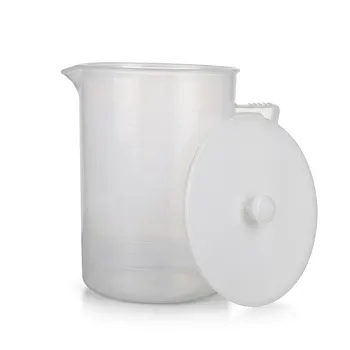
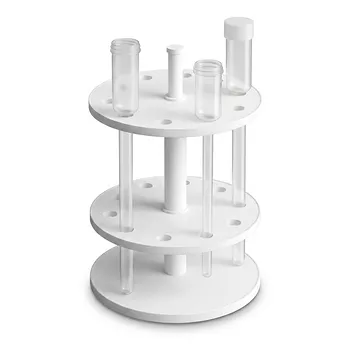
Beakers, digestion tubes, centrifuge tubes, wash bottles, and storage vessels benefit from reduced wall adhesion. Samples drain more completely, and rinsing can recover material that might otherwise remain on the container surface.
This is especially valuable for viscous liquids and low-concentration samples.
Filtration and Pretreatment Equipment
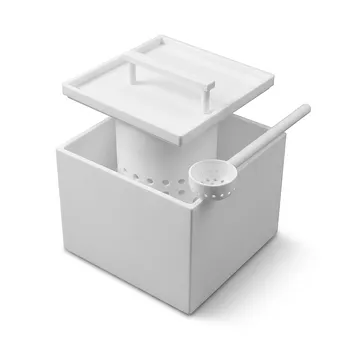
During filtration, extraction, and digestion, target compounds can be lost through contact with equipment surfaces. Low-adhesion fluoropolymer components reduce the opportunity for residue to remain behind during these steps.
That can improve recovery rates, provided the material is compatible with the sample chemistry and the process is properly validated.
Understanding the Trade-offs
Low Adhesion Does Not Guarantee Complete Recovery
Surface properties can reduce retention, but they cannot overcome every source of sample loss. Dead legs, trapped air, poor drainage geometry, evaporation, precipitation, and inadequate rinsing can still limit recovery.
Equipment design and operating procedure remain as important as the material selection.
Friction Values Depend on Test Conditions
Reported coefficients of friction vary with the specific fluoropolymer, counterface, load, speed, temperature, and measurement method. PTFE is commonly described as having an extremely low coefficient of friction, but a single published value should not be treated as universal.
For critical equipment, performance should be evaluated under the actual operating conditions.
Fluoropolymer Compatibility Still Requires Verification
Fluoropolymers offer broad chemical resistance, but compatibility depends on temperature, pressure, concentration, exposure time, and the exact polymer grade. Seals, fittings, supports, and other non-fluoropolymer parts may become the limiting materials.
A material compatibility review is necessary for demanding chemical processes.
Cleaning and Validation Remain Necessary
Non-stick behavior reduces contamination risk; it does not eliminate it. Analytical systems still require appropriate blanks, rinse protocols, inspection, and recovery testing.
The correct evidence is measured performance, such as recovery percentage, blank levels, carryover, and repeatability in the intended workflow.
Applying This to Laboratory Equipment Selection
Fluoropolymer surface properties are most valuable when sample loss, carryover, or inconsistent liquid transfer is a meaningful analytical risk.
- If your primary focus is maximum sample recovery: Use low-surface-energy vessels, tubing, and transfer components, then validate recovery with representative samples and rinsing procedures.
- If your primary focus is smooth fluid handling: Consider fluoropolymer tubing, fittings, and valve components where low friction and reduced wall adhesion can improve transfer consistency.
- If your primary focus is contamination control: Use fluoropolymer contact surfaces to reduce residue and carryover, while retaining validated cleaning, flushing, and blank-testing protocols.
- If your primary focus is viscous or solvent-based samples: Evaluate fluoropolymer components for their non-stick behavior and chemical compatibility under the actual temperature and exposure conditions.
By reducing adhesion, friction, and chemical retention, fluoropolymers make analytical fluid paths easier to operate, easier to clean, and more capable of delivering the sample that was originally introduced.
Summary Table:
| Property | Benefit | Application |
|---|---|---|
| Low surface energy | Reduces liquid adhesion and residual hold-up volume | Vessels, tubing, sample containers |
| Low friction | Promotes smooth flow and reduces mechanical drag | Valves, fittings, fluid transfer systems |
| Chemical resistance | Limits analyte absorption and retention | Trace analysis, solvent handling |
| Self-lubricating | Reliable operation without additional lubricants | Moving parts, seals |
| Easy cleaning | Improved rinsing and decontamination | Reusable labware and equipment |
Maximize your sample recovery and streamline fluid handling with our high-performance PTFE and PFA labware. Trusted for trace analysis and custom solutions. Contact us today to discuss your specific requirements.
Related Products
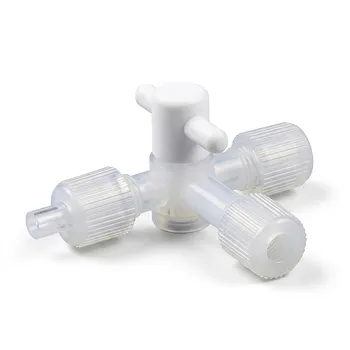
- Corrosion Resistant High Purity PFA Valve and Weldable Transparent Tubing for Semiconductor Fluid Transfer
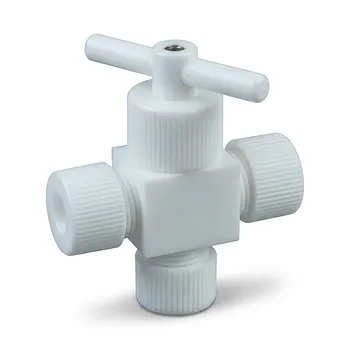
- Custom PTFE Valve 2-Way 3-Way Corrosion Resistant Low Background Virgin Fluoropolymer Industrial Fluid Control
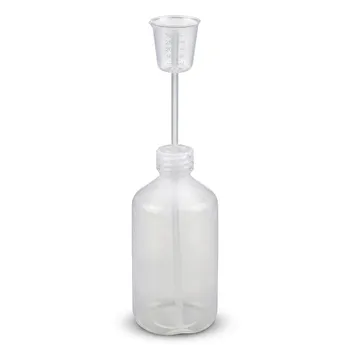
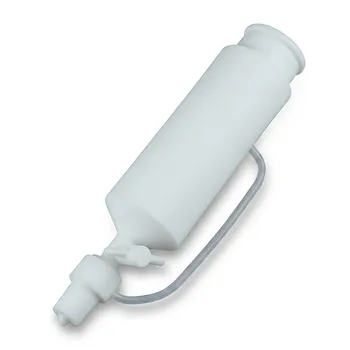
- Translucent PFA Bottle Top Dispenser for Corrosion Resistant Chemical Squeeze Extraction
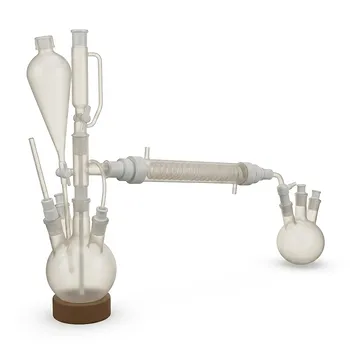
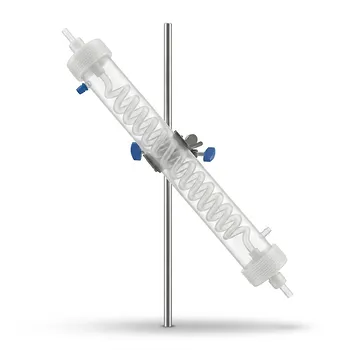
- PTFE Distillation Condensation Apparatus High Temperature Hydrofluoric Acid Resistant Fluorination Reaction Flask
- High Purity PFA Beaker with Handle and Large Capacity Washable Soak Basket Multi Spec Teflon Laboratory Labware
People Also Ask
- Why are high-purity PFA fluid transfer components preferred for battery electrolytes? Ensure Purity & Data Accuracy
- How do high-precision PFA fluid transfer components, such as tubing and fittings, affect the results of continuous-flow synthesis?
- How do PFA fluid transfer components contribute to chemical research precision? Achieve high-purity results today.
- What role do PFA tubing and valves play in high-precision laboratory fluid transfer systems? Ensure Ultra-Pure Results
- What advantages do PTFE and PFA tubing offer for organic solvents? Superior chemical resistance, purity, and high-temperature stability.