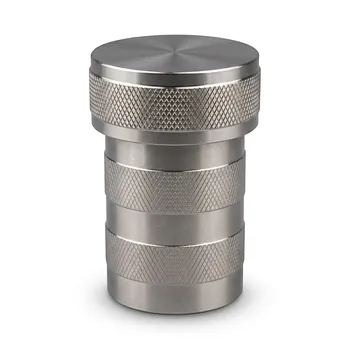
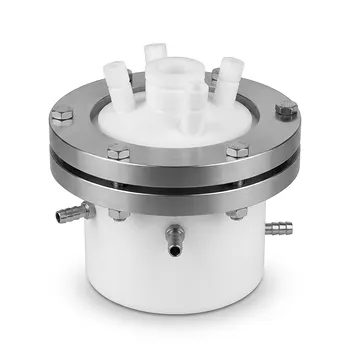
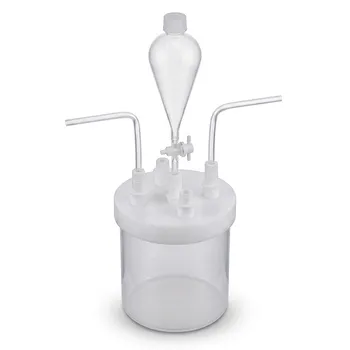
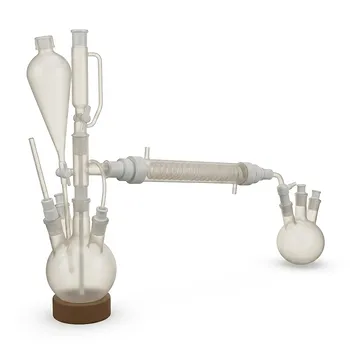
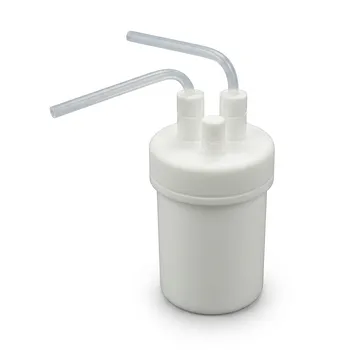
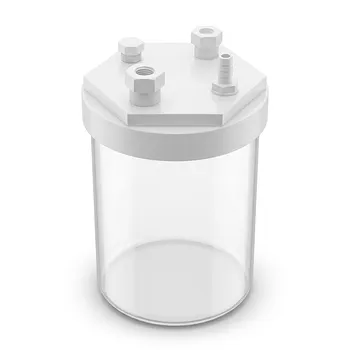
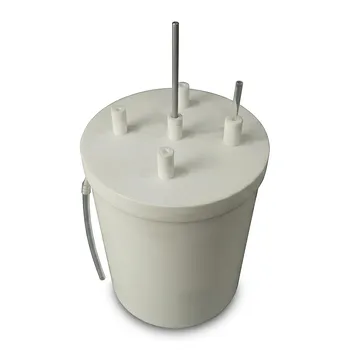
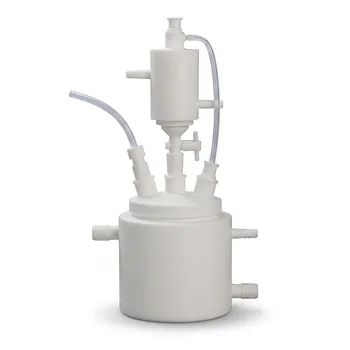
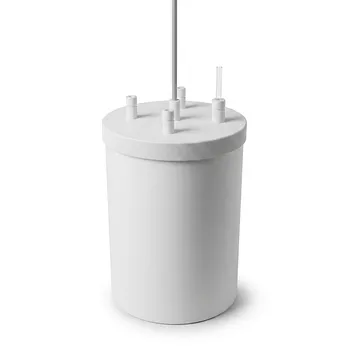
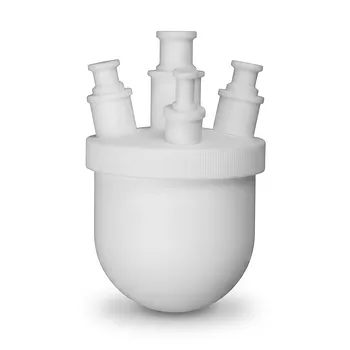
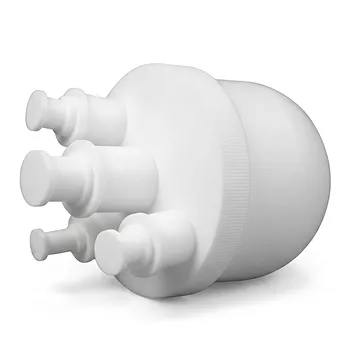
Enclosed hydrothermal synthesis reactors facilitate organic synthesis by utilizing autogenous pressure to transform solid or liquid substrates into highly reactive states. This pressurized environment allows molecules to liquefy or gasify at temperatures significantly below their decomposition points or near their boiling points, creating a high-energy medium that drives reactions. By maximizing molecular activation and mass transfer, these reactors enable efficient chemical transformations that typically require external catalysts or solvents in traditional atmospheric settings.
The core mechanism relies on physical forcing—using heat and pressure to bypass the need for chemical facilitators—effectively turning the reaction substrates themselves into their own highly reactive medium.
The Physical Mechanics of Pressure and Temperature
Achieving Phase Transformation
Inside a sealed reactor, heating generates autogenous pressure, which prevents the evaporation of volatile components and forces substrates into a liquid or gaseous phase. This allows organic molecules to interact more intimately than they would as solids or standard liquids, lowering the energy barrier for reaction.
Enhancement of Molecular Activation
The high-pressure environment increases the frequency and energy of molecular collisions. Because the molecules are densely packed and energized, they can overcome activation energies without the assistance of a solid acid, base, or heavy metal catalyst.
Optimized Mass Transfer
Hydrothermal conditions significantly improve mass transfer rates by reducing the viscosity of the reacting phase. This ensures that reactants are distributed uniformly throughout the vessel, leading to faster reaction times and higher yields compared to open-air methods.
The Role of the Reactor Environment
Maintaining Chemical Purity
A critical component of these reactors is the inert lining, usually made of PTFE or PPL, which acts as a barrier between the corrosive reaction medium and the steel shell. This prevents the dissolution of metal ions into the product, ensuring that the resulting organic molecules remain uncontaminated.
Controlled Precipitation and Growth
The closed system allows for the precise tuning of parameters like pH and temperature to control how molecules recrystallize. This is particularly useful for synthesizing organic materials with specific morphologies or high crystalline purity.
Thermal Stability and Safety
The stainless-steel outer shell provides the mechanical strength necessary to contain the high pressures generated during heating. This containment is what allows the internal chemistry to reach sub-critical states where traditional solvent-based chemistry would fail.
Understanding the Trade-offs and Risks
Pressure-Related Safety Hazards
The primary risk of hydrothermal synthesis is the potential for catastrophic vessel failure if the internal pressure exceeds the reactor's rating. Users must strictly calculate the filling degree to ensure sufficient headspace for expansion.
Temperature Limitations of Linings
While the reactor is robust, the internal liners have fixed thermal limits (typically 200°C for PTFE). Exceeding these limits can lead to liner deformation, leakage, and the introduction of polymer degradation products into the organic sample.
Scalability Challenges
Hydrothermal synthesis is often limited to batch processing in small volumes. Scaling these reactions to industrial levels requires significantly more complex engineering to manage the safety and consistency of high-pressure vessels.
How to Apply Hydrothermal Methods to Your Project
Before starting your synthesis, evaluate your primary objective to determine if an enclosed hydrothermal approach is the most efficient path forward.
- If your primary focus is High Purity: Utilize the inert liner and catalyst-free environment to eliminate the need for complex column chromatography or heavy metal removal.
- If your primary focus is Green Chemistry: Leverage the solvent-free nature of the reactor to reduce the consumption of chemical reagents and disposable filtration materials.
- If your primary focus is Reaction Speed: Maximize the temperature within the safety limits of the liner to exploit high molecular activation and shorten synthesis cycles.
By mastering the balance of heat and autogenous pressure, you can achieve sophisticated organic transformations with a remarkably clean and efficient footprint.
Summary Table:
| Feature | Hydrothermal Synthesis Benefit |
|---|---|
| Mechanism | Autogenous pressure for molecular activation |
| Purity | Catalyst-free & solvent-free environment |
| Liner Material | Inert PTFE/PPL prevents metallic contamination |
| Efficiency | Enhanced mass transfer and reaction rates |
| Versatility | Supports green chemistry and high-purity goals |
Elevate Your Research with KINTEK’s High-Performance Fluoropolymer Solutions
Precision in hydrothermal synthesis starts with the right equipment. KINTEK specializes in manufacturing a comprehensive range of PTFE and PFA laboratory supplies designed for high-purity and extreme-environment applications. From everyday basic labware (beakers, cylinders, and tubes) to advanced hydrothermal synthesis liners, microwave digestion vessels, and custom electrochemical cells, we ensure your experiments remain free from contamination.
Whether you need high-volume consumables or complex non-standard parts via our end-to-end custom CNC fabrication, KINTEK is equipped to deliver everything from bespoke laboratory setups to high-performance fluid transfer components. We maintain an absolute focus on high-performance fluoropolymers to provide the durability and chemical inertness your lab demands.
Contact us today to discuss your custom laboratory needs and see how our expertise can drive your next breakthrough!
References
- Zhiqiang Wu, Wanyi Liu. Mild and Efficient Preparation of Organic Molecules with Different Structural Characteristics: Catalyst-Free and Solvent-Free Methods in Hydrothermal Synthesis Reactors. DOI: 10.2139/ssrn.4283399
This article is also based on technical information from Kintek Knowledge Base .
Related Products
- High Temperature Corrosion Resistant Hydrothermal Synthesis Reactor with TFM Inner Liner and Straight Cylinder Design
- PTFE Lined High Pressure Digestion Vessel 50ml High Temperature Hydrothermal Synthesis Tank
- Custom PTFE Reaction System with Hose Barb Fittings Corrosion Resistant High Sealing 2L 4L Lab Reactor with Separatory Funnel
- High Pressure Custom TFM Reactor Stainless Steel Outer Vessel PTFE Inner Cup for Corrosive Synthesis
- High Purity PFA Reaction Vessel for Biopharmaceutical Synthesis and Corrosive Chemical Fluid Handling with Customizable Tube Fittings
People Also Ask
- What is the role of a corrosion-resistant reactor in the synthesis of lignin-based carbon dots? Ensure Maximum Purity
- What are the technical advantages of using hydrothermal synthesis reactors for advanced electronic & optical nanomaterials?
- How does a hydrothermal synthesis reactor facilitate the production of crystalline materials with tailored morphologies? Precision Crystal Growth
- Why is the sealing reliability of a hydrothermal synthesis reactor critical for 24-hour cycles? Ensure Nano-Precision
- What role do hydrothermal synthesis reactors play in CQD preparation? Achieve High-Purity Nanomaterial Synthesis