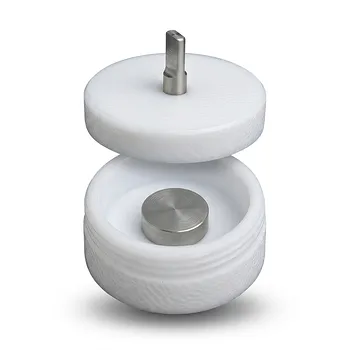
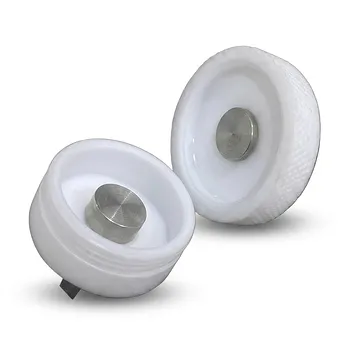
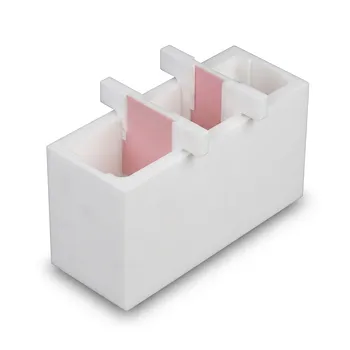
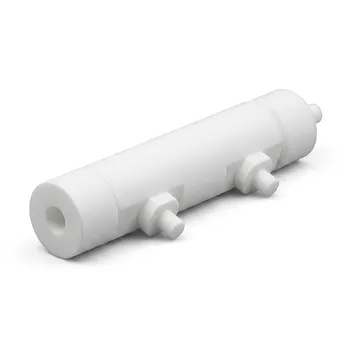
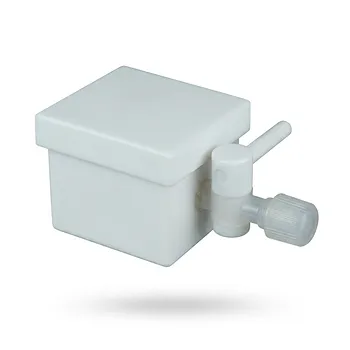
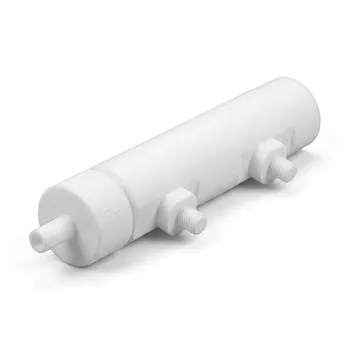
Custom-fabricated electrochemical battery testing fixtures eliminate mechanical and electrical variables by providing a standardized, high-precision interface for active materials. By using CNC-machined components and specialized materials, these fixtures ensure uniform contact pressure, precise electrode positioning, and total chemical inertness. This results in significantly reduced contact resistance and minimal environmental interference, delivering highly repeatable and accurate data across multiple test cycles.
High-precision fixtures transform battery testing from a variable manual process into a controlled engineering environment. By stabilizing physical and chemical parameters, they ensure that measured performance data reflects the true behavior of the active materials rather than setup inconsistencies.
Eliminating Electrical and Ohmic Variables
Minimizing Contact Resistance
Standardized fixtures use optimized electrical connection structures and constant contact pressure to ensure stable conductivity. This eliminates the fluctuations common in manual setups, where varying tightness can skew resistance readings. By maintaining a stable electrical contact, the fixture ensures that the resulting data accurately represents the material's electrochemical performance rather than the interface's quality.
Reducing Ohmic Drop
Precise mechanical designs allow for optimized electrode spacing and superior sealing. This optimization is critical for reducing Ohmic drop, which can otherwise distort potential and current measurements. A reduction in these internal voltage losses is the foundation for obtaining clean, accurate cyclic voltammetry curves and reliable charge-discharge data.
Structural Integrity and Spatial Precision
Fixed Electrode Positioning
Customized cells utilize high-insulation materials to fix the relative positions of the working, counter, and reference electrodes. This structural rigidity ensures uniform current distribution across the electrode surface. By locking these components in place, the fixture eliminates environmental interference with weak signals, which is essential for high-fidelity research data.
High-Precision CNC Machining
Fixtures produced through high-precision CNC machining provide a perfect dimensional fit for specific battery sizes or electrode materials. This level of precision prevents shifting or mechanical degradation during long-term charge-discharge cycles. The result is a testing environment that remains structurally stable over hundreds or thousands of hours of operation.
Chemical and Environmental Protection
Corrosion Resistance and Inertness
Using high-performance fluoropolymers like PTFE and PFA creates a chemically inert environment that resists aggressive electrolytes. These materials prevent side reactions between the fixture and the electrolyte, ensuring that all measured electrochemical activity stems solely from the active materials. This chemical isolation is vital for maintaining data purity across different testing batches.
Specialized Gas and Fluid Management
For advanced systems like metal-air batteries, custom fixtures include precision flow channels and uniform clamping mechanisms. These features ensure the air cathode has consistent contact with both the electrolyte and the oxygen source. High-precision encapsulation minimizes the impact of external environmental fluctuations on open-circuit voltage and discharge capacity.
Understanding the Trade-offs
Cost and Lead Times
The primary drawback of custom-fabricated fixtures is the higher initial investment and longer lead times associated with CNC machining and specialized material sourcing. While off-the-shelf holders are cheaper, they often lack the precision required for high-stakes research.
Limited Versatility
Custom fixtures are often designed for specific dimensions or material types, making them less adaptable to varied form factors. A fixture optimized for a specific coin cell thickness may not accommodate thicker experimental electrodes without compromising the sealing integrity or pressure distribution.
Making the Right Choice for Your Goal
- If your primary focus is material discovery and purity: Utilize fixtures made from high-performance fluoropolymers to ensure zero chemical interference with your active materials.
- If your primary focus is long-term cycle stability: Invest in CNC-machined metal fixtures with uniform clamping to maintain mechanical and electrical consistency over thousands of hours.
- If your primary focus is gas-diffusion or metal-air systems: Prioritize designs with integrated flow channels to ensure uniform oxygen distribution across the cathode surface.
By removing the physical "noise" of the testing apparatus, custom fixtures allow the true potential of your electrochemical innovations to be measured with absolute clarity.
Summary Table:
| Improvement Factor | Key Benefit | Technical Feature |
|---|---|---|
| Electrical Stability | Reduced Contact Resistance | Optimized Connection Structure |
| Signal Integrity | Minimized Ohmic Drop | Precise Electrode Spacing |
| Data Purity | Zero Side Reactions | High-Performance PTFE/PFA Construction |
| Repeatability | Uniform Current Distribution | High-Precision CNC Machining |
Elevate Your Battery Research with KINTEK Precision Engineering
Don't let setup variables compromise your electrochemical innovations. KINTEK specializes in manufacturing virtually all imaginable laboratory supplies crafted from high-performance PTFE and PFA. From everyday basic labware like beakers, crucibles, and digestion tubes to complex custom electrochemical cells and battery testing fixtures, we ensure your experiments are backed by absolute chemical inertness and mechanical precision.
Our end-to-end custom CNC fabrication allows us to deliver everything from advanced fluid transfer components and reaction apparatus to high-volume orders of standard gaskets and seal tapes. Whether you need bespoke non-standard machined parts or comprehensive sample prep tools, KINTEK is your partner for high-fidelity research results.
Contact us today to discuss your custom project or volume requirements!
References
- Xinyi Li, Dandan Ma. Rational Fabrication of One‐Dimensional TiO <sub>2</sub> Nanowires for Enhanced Supercapacitor and Rechargeable Lithium Ion Battery. DOI: 10.1002/slct.202500115
This article is also based on technical information from Kintek Knowledge Base .
Related Products
- Acid Resistant PTFE Button Cell Battery Test Fixture Customizable Machining High Purity Electrochemical Testing Clamp
- Corrosion Resistant PTFE Coin Cell Battery Testing Clamps and Acid Proof Custom Fluoropolymer Battery Fixtures
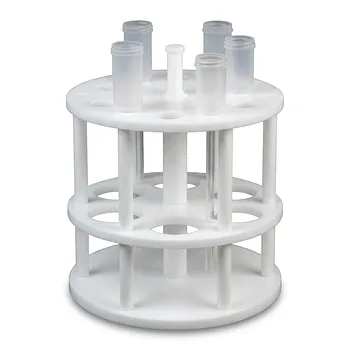
- Custom PFA Microcolumn Racks and PTFE Machined Low Background Corrosion Resistant Laboratory Fixtures
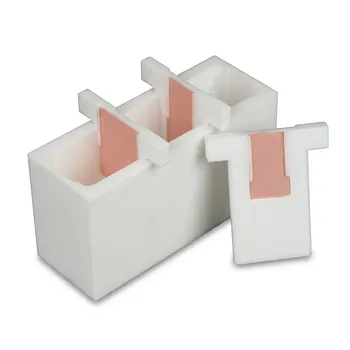
- White PTFE Electrolytic Cell with Movable Slider and Insulated Lid for Fluorine Corrosion Resistance
- Corrosion Resistant PTFE Electrochemical Cell for New Energy Research Inert Insulating Customizable Lab Reaction Vessel
People Also Ask
- In what ways do PTFE battery testing fixtures enhance laboratory throughput and reliability? Maximize Research Efficiency
- How does the chemical inertness of PTFE benefit laboratory-scale battery testing? Ensure high-purity research results.
- In what industrial manufacturing contexts are PTFE battery clamps or fixtures utilized? Optimize Battery Production.
- What is the thermal operating range for PTFE battery clamps in electrochemical research? Stability from -200°C to +260°C
- What are the primary functions and material compositions of PTFE battery clamps? Ensure Precision & Chemical Resistance