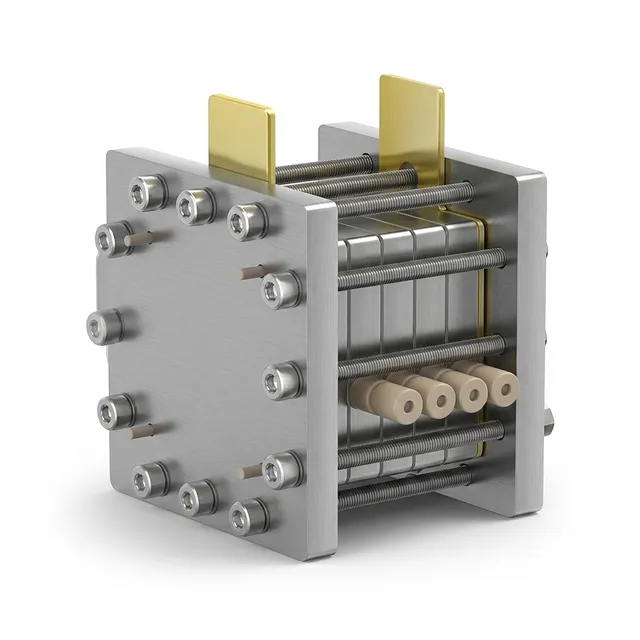
Standard & Customized Electrochemical Cells
Multipolar Electrochemical Stack Cell for Carbon Dioxide Reduction and Water Electrolysis
Item Number : PL-DJ30
Price varies based on specs and customizations
- Standard Flow Area
- 30 x 30 mm / 50 x 50 mm
- Structural Metallurgy
- High-Purity Titanium / High-Purity Nickel
- Flow Configurations
- Series and Parallel Dual Routing

Shipping:
Contact us to get shipping details Enjoy On-time Dispatch Guarantee.
Why Choose Us
Easy ordering process, quality products, and dedicated support for your business success.
Product Overview
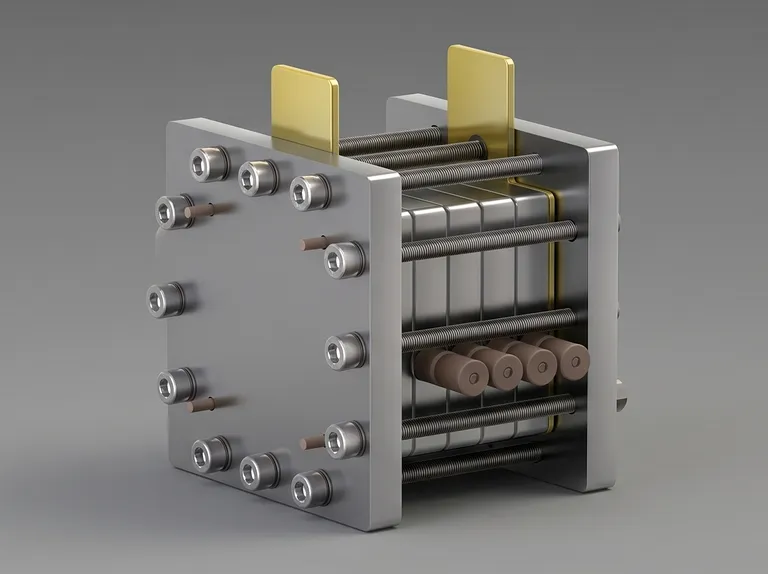
This high-performance modular electrochemical stack cell utilizes an advanced bipolar stacking architecture to enable scalable high-voltage and high-power laboratory research. By configuring individual flow field plates with distinct cathode and anode faces, this system minimizes external wiring and ohmic losses, delivering exceptional electrical efficiency across the entire assembly.
The equipment is optimized for critical green energy applications, including carbon dioxide reduction, water electrolysis, and organic electrosynthesis. It serves as a highly adaptable testing platform for clean energy laboratories and chemical research institutes worldwide.
Constructed from high-purity titanium, the unit ensures outstanding chemical resistance under aggressive experimental conditions. Its advanced clamping design guarantees uniform mechanical force distribution, ensuring long-term reliability and reproducible testing results.
Key Features
- Modular Stacked Architecture: This advanced system utilizes individual flow field plates designed for modular stacking, allowing researchers to scale operating voltages and power capacities easily. By employing a bipolar design where a single metal plate functions as both the cathode and anode, the unit significantly reduces internal resistance, optimizes electrical current paths, and simplifies stack assembly for high-throughput experiments. This modularity means that a single purchase can support a wide variety of configurations, from basic two-electrode research to highly complex multi-stage pilot-scale processes.
- Premium High-Purity Metallurgy: The primary components are precision-machined from high-purity titanium, delivering exceptional resistance to mechanical stress and electrochemical corrosion. For highly specialized or extreme environments, such as highly alkaline water electrolysis, the option to equip the cell with high-purity nickel plates is available, ensuring compatibility with virtually any reaction chemistry. This carefully chosen material profile prevents the introduction of trace metal impurities into the electrolyte, preserving the integrity of sensitive catalytic evaluations.
- Customizable Flow Field Geometries: To support diverse mass transport and fluid dynamics investigations, the cell is compatible with multiple standard flow field designs including serpentine, parallel, and vein-type patterns. Additionally, KINTEK's advanced custom manufacturing capabilities allow for the integration of specialized spiral, mesh, and comb-type channels to match specific reactant flow requirements. This level of customization enables researchers to accurately mimic industrial-scale flow dynamics and optimize hydrodynamic parameters within a benchtop laboratory setup.
- Precision Temperature and Thermal Control: Designed to facilitate isothermal electrochemical testing, the reaction cell is engineered with integrated heating element ports and high-precision temperature measurement wells. This thermal configuration allows researchers to maintain stable operating temperatures, evaluate activation kinetics, and accurately measure thermodynamic performance under controlled thermal states. The integrated ports are situated close to the active reaction area, ensuring fast thermal response times and minimized temperature gradients across the stack.
- Dual Flow Path Interconnection Modes: To accommodate varying research methodologies and fluidic designs, the flow channels between adjacent plates support both series and parallel fluidic routing. This configuration flexibility enables users to optimize fluid residence time, balance pressure drops across the stack, and manage reactant depletion profiles to match specific process requirements. Researchers can quickly reconfigure the plumbing layout externally, allowing for swift comparative studies between different fluidic operating modes.
- Uniform Clamping Force Distribution: The structural fastening system is engineered to apply exceptionally uniform mechanical pressure across all stacked plates. This precise pressure distribution eliminates localized current crowding, minimizes interfacial contact resistance between components, and guarantees a completely leak-free seal across the entire stack assembly during high-pressure operation. By preventing uneven mechanical stress, the cell design also extends the operating lifetime of delicate membrane electrode assemblies.
- High-Performance Current Collection: Equipped with premium gold-plated copper current collectors, the cell ensures maximum electrical conductivity and minimal contact resistance at the stack terminals. The gold-plated layer provides superior protection against surface oxidation and chemical degradation, guaranteeing stable long-term electrical connections and high-accuracy data acquisition. This high-efficiency current collection design ensures that all measured overpotentials are directly attributable to the electrochemical reaction rather than system contact resistance.
- Advanced Chemical-Resistant Sealing: High-elasticity silicone gaskets are utilized between every stacked component to ensure robust fluidic isolation and leak-proof performance. These gaskets are selected for their excellent thermal stability and broad chemical compatibility, preventing electrolyte leakage and cross-contamination between the anode and cathode flow chambers. The high mechanical resilience of the silicone ensures that the seals retain their elastomeric properties even after multiple assembly and disassembly cycles.
Applications
| Application | Description | Key Benefit |
|---|---|---|
| Electrochemical CO2 Reduction | Evaluating catalysts and flow configurations for converting carbon dioxide into valuable chemical feedstocks like carbon monoxide, ethylene, and formic acid. | Promotes high mass-transport rates and uniform gas diffusion, maximizing Faraday efficiency and product selectivity during prolonged runs. |
| Water Electrolysis (HER/OER) | Testing advanced electrode materials and membranes for proton exchange membrane or alkaline water electrolysis systems. | High corrosion resistance and customizable flow paths enable efficient gas-liquid separation and precise measurement of overpotentials. |
| Electro-Organic Synthesis | Performing complex organic chemical synthesis through direct or indirect anodic oxidation and cathodic reduction processes. | Multi-plate stacking allows high-yield, continuous-flow synthesis with minimized ohmic losses and exceptional reaction selectivity control. |
| Redox Flow Battery Research | Simulating stack performance and investigating electrolyte flow dynamics, pressure drops, and state-of-charge behaviors in flow battery systems. | Supports high-flow configurations with parallel fluidic routing, allowing precise measurement of mechanical and electrochemical round-trip efficiencies. |
| Electrochemical Water Treatment | Degrading recalcitrant organic pollutants and removing heavy metal ions from industrial wastewater streams via direct anodic oxidation. | High-purity titanium construction prevents structural degradation when exposed to highly oxidizing radicals and corrosive wastewater components. |
| Fuel Cell Development | Characterizing membrane electrode assemblies and bipolar plates under simulated fuel cell operating conditions. | Precise thermal management and uniform mechanical clamping ensure reproducible testing of gas diffusion layers and catalytic interfaces. |
Technical Specifications
The PL-DJ30 electrochemical stack cell is engineered to meet precise dimensional and material standards, ensuring consistent performance across all custom configurations. The core architecture relies on high-precision machined plates that maintain strict parallel tolerances, ensuring optimal electrical contact and fluidic isolation. Below is the detailed breakdown of the technical specifications, physical properties, and material composition of the system.
| Parameter Group | Technical Specification Details | PL-DJ30 Configured Value |
|---|---|---|
| Model Identifier | Site-Facing Product Reference | PL-DJ30 |
| Stack Architecture | Multi-plate Modular Stack Configuration | Single plate with distinct Cathode and Anode faces; supports scalable multi-cell stacking |
| Structural Material | Standard Cell Body Metallurgy | High-Purity Titanium (Standard Config) |
| Alternative Metallurgy | Specialized Reaction Environments | High-Purity Nickel (Available upon request for highly alkaline/special conditions) |
| Standard Flow Fields | Machined Fluid Path Profiles | Serpentine, Parallel, and Vein-type (Leaf-vein) flow channels |
| Customizable Flow Fields | Bespoke Fluid Path Profiles | Spiral, Mesh-type, and Comb-type (Fully customizable via KINTEK CNC machining) |
| Flow Field Dimensions | Active Electrochemical Reaction Area | 30 mm x 30 mm (Standard Option A) 50 mm x 50 mm (Standard Option B) Custom dimensions available |
| Fluidic Routing Modes | Inter-plate Connection Configurations | Series connection (high residence time) or Parallel connection (low pressure drop) |
| Thermal Management | Integrated Temperature Control | Built-in cartridge heating ports and high-accuracy thermocouple measurement wells |
| Current Collection | Stack Terminal Current Collectors | High-conductivity, oxidation-resistant Gold-Plated Copper plates |
| Sealing System | Inter-plate Gasket Material | High-elasticity, chemical-resistant Silicone gaskets |
| Clamping Mechanism | Structural Fastening System | High-tensile bolt assembly designed for uniform mechanical force distribution |
Flow Field Geometry and Fluid Dynamics
The fluidic performance of the PL-DJ30 is highly dependent on the choice of flow channel geometry. Serpentine channels are optimized for high gaseous reactant flow, forcing reactants across the catalytic surface to maximize mass transport, which is highly beneficial for carbon dioxide reduction. Parallel channels are designed to minimize pressure drops, making them ideal for high-flow-rate liquid electrolytes in redox flow battery applications. Vein-type (leaf-vein) flow fields offer a balanced distribution profile that mimics natural fluidic networks, ensuring uniform reactant distribution with minimal mechanical stress on the integrated membranes.
Why Choose This Product
- Premium Metallurgical Integrity: By utilizing only high-purity titanium and offering high-purity nickel alternatives, our stacked electrochemical systems ensure maximum lifespan, complete chemical compatibility, and zero trace-metal contamination during highly sensitive electrocatalytic evaluations.
- Exceptional CNC Customization Capabilities: Backed by KINTEK's industry-leading end-to-end CNC machining capabilities, we can modify flow field designs, active areas, and stack configurations to your exact scientific requirements, transforming standard labware into bespoke experimental reactors.
- Engineered for Precision and Repeatability: With integrated temperature control features, uniform clamping force distribution, and low-resistance gold-plated current collectors, the system eliminates mechanical and electrical variables, ensuring that every experimental run is highly reproducible.
- Scalable Modular Design: The bipolar stack configuration bridges the gap between single-cell laboratory feasibility testing and full-scale industrial stack pilot projects, allowing researchers to evaluate realistic cell-to-cell variations, pressure drops, and electrical performance in a controlled lab environment.
- Comprehensive Global Technical Support: KINTEK provides responsive engineering support, drawing on our deep expertise in high-performance fluoropolymers and advanced electrochemical apparatus to assist with system setup, sealing optimization, and fluidic configuration.
Contact our technical sales and engineering specialists today to request a comprehensive quotation or to discuss how our custom CNC machining capabilities can adapt this high-performance stacked reaction system to your unique electrochemical research goals.
Trusted by Industry Leaders

REQUEST A QUOTE
Our professional team will reply to you within one business day. Please feel free to contact us!
Related Products
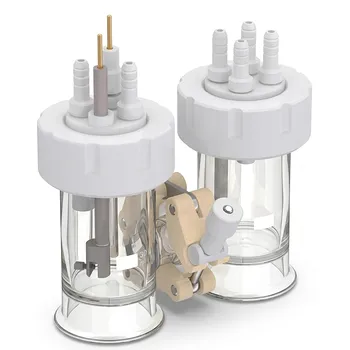
H Type Replaceable Membrane Electrochemical Cell for Three Electrode System Jacketed Single Layer Gas Purging
Optimize your electrochemical research with our premium H-type replaceable membrane cell designed for versatile three-electrode systems featuring high borosilicate glass, reliable PTFE seals, customizable jacketed configurations, and advanced sub-surface gas purge designs for precision laboratory analysis.
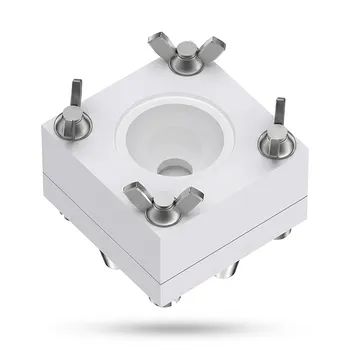
PTFE Flat Plate Working Electrode Electrochemical Cell for Sheet Samples Corrosion Testing and SEM Sample Preparation
This high purity PTFE electrochemical cell enables precise corrosion testing and SEM preparation for flat sheet samples featuring a customizable one square centimeter exposure area and a robust chemical resistant dual layer clamping design for reliable laboratory research analyses
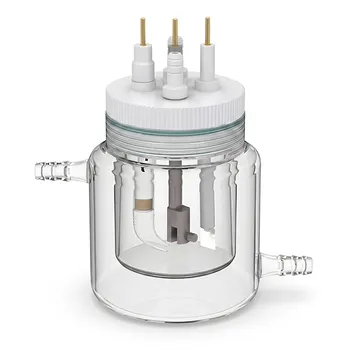
Sealed Glass Electrochemical Cell with Jacketed Temperature Control and Chemical Resistant PTFE Lid
Optimize your analytical research with our premium five port sealed electrochemical cell featuring a chemical resistant polytetrafluoroethylene lid and jacketed temperature control. Engineered for precise three electrode systems, this robust vessel delivers outstanding reliability for critical laboratory research applications.
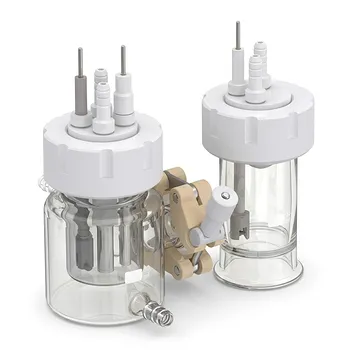
H Type Replaceable Membrane Electrochemical Cell with Sampling Port for Gas Liquid Phase Reactions
This premium H-type electrochemical cell with a replaceable membrane and sampling port features high-purity borosilicate glass, robust PTFE rotation plugs, and efficient dual-chamber separation for advanced electrocatalysis, nitrogen reduction, and carbon dioxide reduction applications.
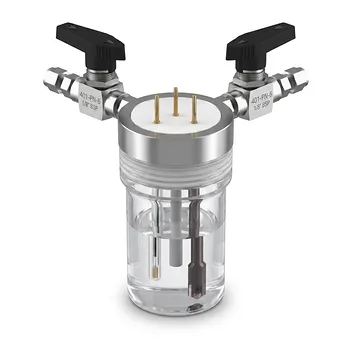
Straight Five Port Hermetic Electrochemical Cell with Internal Plug In Design and PTFE Lid
Premium high performance straight five port hermetic electrochemical cell with advanced PTFE lids and borosilicate glass. Perfect for precise three electrode laboratory analysis, gas purging, and controlled reactions with absolute sealing integrity.
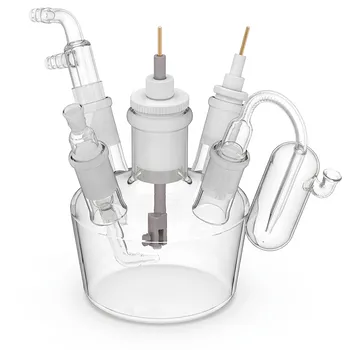
Conventional Five Port Electrochemical Cell Borosilicate Glass Jacketed Three Electrode System
Optimize your electrochemical research with this premium conventional five port electrochemical cell. Featuring a robust borosilicate glass body and customizable jacketed design, it ensures precise temperature control and superior gas sealing for advanced three electrode testing protocols.
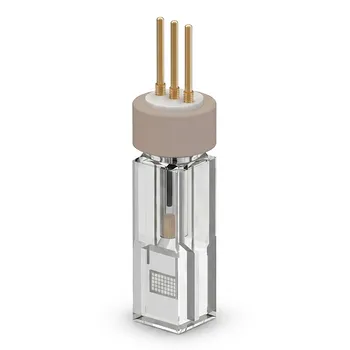
Quartz Thin Layer Spectroelectrochemical Cell Integrated Spectrophotometric Analysis Hermetic Electrochemical Cell
This professional quartz thin-layer spectroelectrochemical cell features an integrated adhesive-free design, exceptional optical transmittance, and an absolute hermetic sealing system, delivering unparalleled precision and reliability for advanced analytical spectroscopy and electrochemical laboratory research applications.
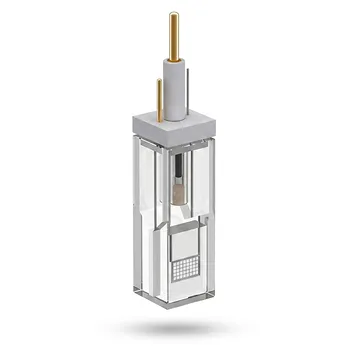
Optically Transparent Thin Layer Spectroelectrochemical Cell for In Situ UV Vis NIR Spectroscopic Analysis
Perform highly precise in-situ UV-Vis and NIR spectroelectrochemical analysis with this optically transparent thin-layer cell featuring high-purity quartz construction, a chemically inert PTFE cap, and precision integrated electrodes designed to deliver rapid, uniform sample electrolysis for advanced laboratory research applications.
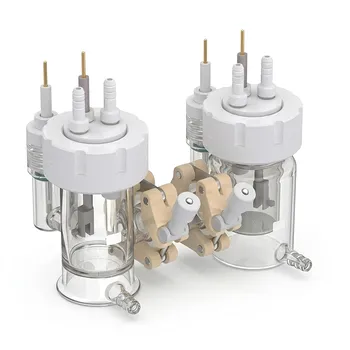
Replaceable Membrane H Type Electrochemical Cell Jacketed Split Electrolysis Cell for Laboratory Research
This high performance replaceable membrane H type electrochemical cell features an integrated Luggin capillary, advanced PTFE rotating seals, and double jacketed water bath options to ensure maximum precision, stability, and gas tight consistency in demanding laboratory research applications.
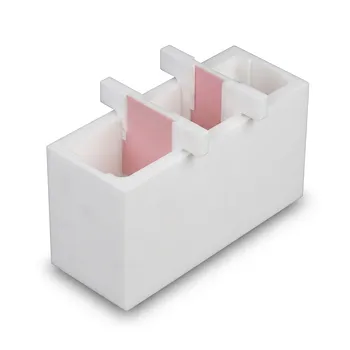
Corrosion Resistant PTFE Electrochemical Cell for New Energy Research Inert Insulating Customizable Lab Reaction Vessel
Professional PTFE electrochemical cell designed for new energy research featuring exceptional chemical inertness and corrosion resistance. Available in 400ml and 1000ml capacities with full customization for advanced battery testing and high-purity trace analysis delivering reliable industrial performance and extreme durability.
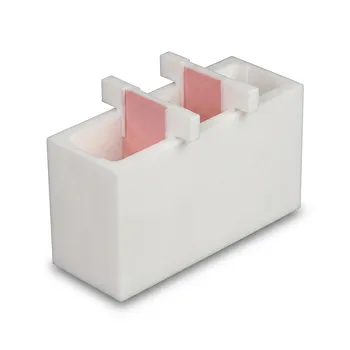
Square PTFE Electrochemical Cell for Silicon Wafer Processing and Hydrofluoric Acid Resistance in Semiconductor and New Energy Research
This high-purity PTFE square electrochemical cell offers exceptional hydrofluoric acid resistance for silicon wafer processing in semiconductor and new energy sectors, featuring fully customizable dimensions and rigorous bespoke engineering to meet specific demanding laboratory research and industrial production requirements.
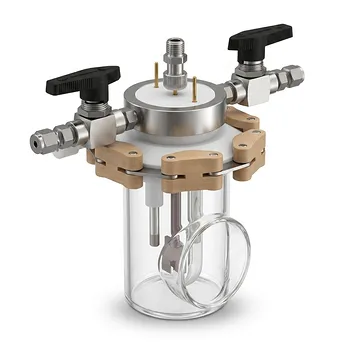
Side Illumination All Quartz Electrochemical Cell Hermetic Photoelectrochemical Reaction Cell with PTFE Lid
This premium side-illuminated all-quartz electrochemical cell delivers exceptional 95% light transmission and an absolute hermetic seal via a PTFE flange lid, ensuring high-accuracy data in photocatalysis, electrochemistry, and advanced solar energy research applications.
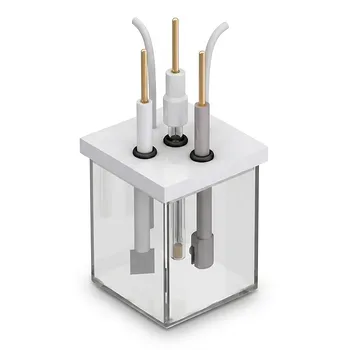
High Transparency Quartz Square Photoelectrochemical Cell with Monolithic Ground Construction and PTFE Lid
Optimize your spectroelectrochemical research with this high transparency quartz square photoelectrochemical cell featuring a monolithic ground body with ninety-five percent light transmittance and a customizable chemical resistant PTFE lid designed for demanding open system B2B laboratory testing applications
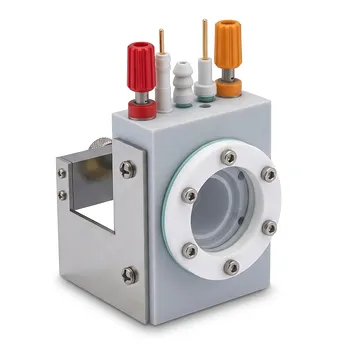
PTFE Photoelectrochemical Cell with Quartz Window for Photoelectrolysis and Electrocatalysis Testing
Engineered for high precision research, this premium PTFE photoelectrochemical cell features a high transmittance quartz window, a customizable active area, and a secure screw compression seal, ensuring unparalleled chemical resistance and stable electrical contacts during demanding photoelectrocatalytic analyses.
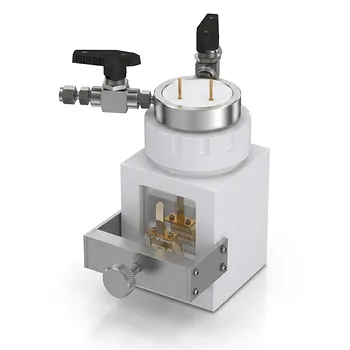
Corrosion Resistant PTFE Photoelectrochemical Cell High Purity All PTFE Three Electrode Test Cell with Quartz Window
High purity PTFE photoelectrochemical cell designed for precise three electrode testing featuring an ultra high transmission detachable quartz window robust leakproof sealing and customizable volumes from thirty to five hundred milliliters for advanced laboratory research and chemical analysis
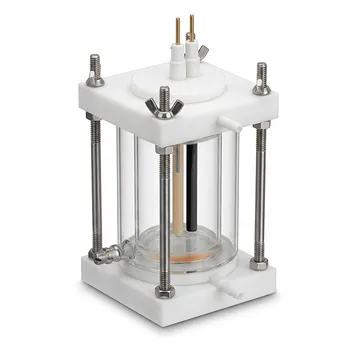
Electrochemical Coating Evaluation Test Cell and Flat Sample Corrosion Testing Vessel
Accurately evaluate coating integrity and corrosion resistance with this premium electrochemical test cell featuring a customizable exposure area, robust PTFE lid, and an optional jacketed water bath for precise temperature control during comprehensive scanning electron microscopy sample preparation.
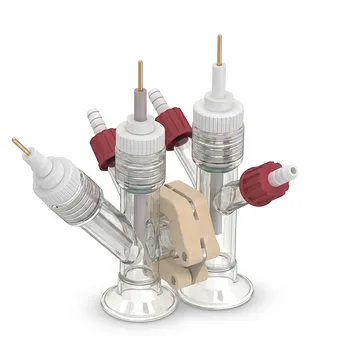
Replaceable Membrane H Type Electrochemical Cell for Three Electrode Experiments with High Borosilicate Glass and PTFE Sealing Components
Optimize your electrochemical research with our premium H-type cell featuring a replaceable membrane design, high borosilicate glass construction, and leak-free PTFE seals. The system is ideal for precise three-electrode testing under strictly controlled inert or reactive gas purge environments.
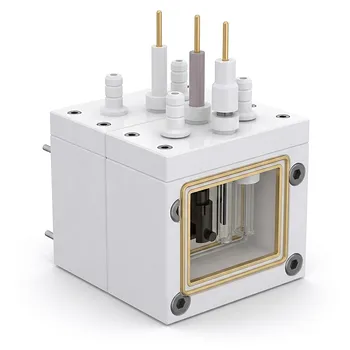
All PTFE Exchangeable Membrane Electrochemical Cell Dual Chamber Three Electrode Photoelectrochemical Cell for Laboratory Trace Analysis
Optimize your laboratory testing with this premium all PTFE exchangeable membrane electrochemical cell featuring a dual chamber design, precise electrode alignment, and customizable volumes from 30ml to 500ml for demanding research, impedance spectroscopy, and corrosion analysis.
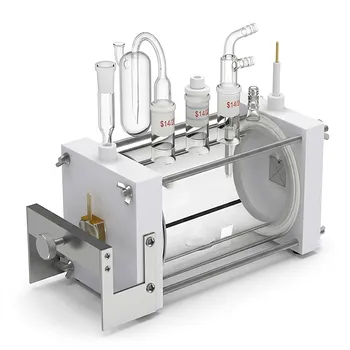
Flat Plate Corrosion Test Electrochemical Cell Jacketed Glass Labware for Sheet Specimen Metallurgy Analysis
Engineered for precise flat specimen corrosion testing, this premium electrochemical cell features a robust borosilicate body, customizable exposure windows, advanced gas purging, and high-performance PTFE components to deliver reliable, highly repeatable results in demanding laboratory and research facilities.
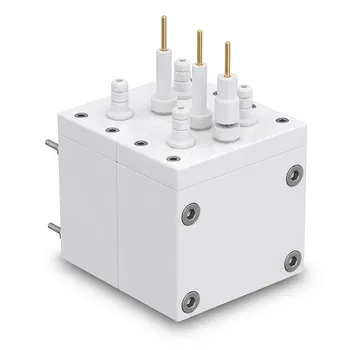
All PTFE H Type Replaceable Membrane Electrolytic Cell for High Purity Divided Electrochemical Analysis
Optimize electrochemical research with this all PTFE H type replaceable membrane electrolytic cell. Engineered for advanced three electrode testing, this chemically inert system provides excellent gas tightness and minimal ohmic resistance drop for accurate quantitative catalytic reaction analysis.