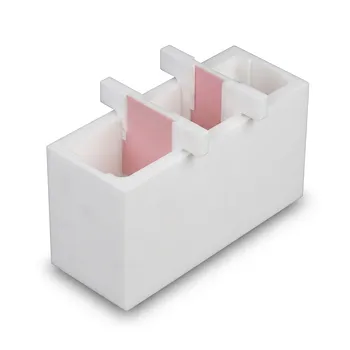
The electrical insulation property of PTFE is critical in battery molds because it prevents internal short-circuiting and isolates the cell from external electrical noise. During high-pressure compaction or sensitive in-situ testing, PTFE’s high dielectric strength (approximately 60 MV/m) ensures that the only electrical signals recorded are those originating from the battery chemistry itself, which is vital for data accuracy.
PTFE serves as a high-integrity dielectric barrier that maintains the purity of electrochemical data by preventing parasitic current leaks and short-circuits. Its ability to remain non-conductive under intense physical pressure and varying temperatures makes it the gold standard for characterizing cell performance.
Ensuring Signal Integrity and Data Precision
Elimination of External Electrical Noise
PTFE’s excellent insulation properties isolate the battery assembly from external electrical interference. This isolation ensures that sensitive measurements of current and voltage are not corrupted by the surrounding testing environment.
Prevention of Parasitic Current Leakage
Because PTFE maintains low conductivity and low electrical loss, it effectively prevents current from "leaking" through the mold walls. This ensures that 100% of the measured electrical activity is a result of the internal electrochemical reactions being studied.
Maintaining Stability Across Frequencies
The material is unique in its ability to maintain high insulation performance even when subjected to high frequencies. This is particularly significant for Electrochemical Impedance Spectroscopy (EIS), where signal clarity across a range of frequencies is necessary to understand internal resistance.
Protection Under Physical and Thermal Stress
Prevention of Shorts During Compaction
Battery testing often involves high-pressure compaction to ensure proper contact between components. PTFE’s high dielectric strength prevents the mold from becoming a conductive path if components shift or press against the mold walls under load.
Stability Under Varying Temperatures
Battery testing can generate heat or be conducted at elevated temperatures to simulate real-world use. PTFE maintains its non-conductive nature and structural integrity at high temperatures, ensuring the insulation does not fail as the cell warms up.
High Voltage Endurance
PTFE can withstand significant electrical stress, often rated to insulate 500 volts per thousandth of an inch. This high ceiling allows researchers to test high-voltage chemistries without the risk of a dielectric breakdown through the mold material.
Understanding the Trade-offs and Risks
Sensitivity to Surface Contamination
The primary weakness of PTFE insulation is its vulnerability to surface contamination. Dust, metallic shavings, or moisture on the mold surface can create a conductive path that bypasses the material's inherent resistance.
Risks of Improper Handling
PTFE is a relatively soft polymer compared to metals; improper handling or installation can lead to scratches or thinning of the material. If the insulation layer is physically compromised, its ability to prevent a short-circuit during high-pressure testing is significantly reduced.
The Necessity of Regular Maintenance
Because contamination is a constant risk in a laboratory setting, regular cleaning and inspection are mandatory. Failing to maintain a pristine surface on the PTFE mold can lead to "noisy" data or catastrophic electrical failure during a test run.
How to Optimize Your Battery Testing Results
Successful battery characterization requires a balance between mechanical pressure and electrical isolation. To ensure your PTFE mold performs as intended, consider your specific testing environment.
- If your primary focus is High-Precision Data: Ensure the PTFE surfaces are cleaned with high-purity solvents before every test to eliminate any potential conductive pathways or external noise.
- If your primary focus is High-Pressure Compaction: Inspect the mold for any signs of physical deformation or "cold flow" that could thin the PTFE layer and reduce its total dielectric breakdown voltage.
- If your primary focus is High-Temperature Cycling: Verify that the thermal limits of your specific PTFE grade exceed your testing parameters to prevent a loss of electrical resistance at peak heat.
By leveraging PTFE's superior dielectric strength, researchers can achieve the high-fidelity measurements necessary for advancing battery technology.
Summary Table:
| Key Property | Role in Battery Testing | Impact on Results |
|---|---|---|
| High Dielectric Strength | Prevents internal short-circuiting | Protects cell integrity under load |
| Low Conductivity | Eliminates parasitic current leakage | Ensures 100% data accuracy |
| Frequency Stability | Maintains insulation across ranges | Enhances EIS measurement precision |
| Thermal Resistance | Stays non-conductive at high heat | Enables safe high-temperature cycling |
| Signal Isolation | Blocks external electrical noise | Delivers clean voltage/current signals |
Elevate Your Research Precision with KINTEK’s High-Performance PTFE Solutions
In the demanding world of battery testing and electrochemical research, material integrity is the difference between a breakthrough and a failure. KINTEK specializes in high-performance fluoropolymer laboratory supplies, ensuring your experiments remain free from electrical noise and parasitic leaks.
From everyday lab essentials like beakers, crucibles, and high-purity trace analysis tools to advanced standard or custom electrochemical cells, battery testing fixtures, and microwave digestion vessels, our products are engineered for excellence. We offer end-to-end custom CNC fabrication, delivering everything from complex non-standard machined parts to high-volume orders with an exclusive focus on PTFE and PFA.
Trust KINTEK to provide the high-integrity components your data deserves. Contact us today to discuss your custom project or bulk needs!
Related Products
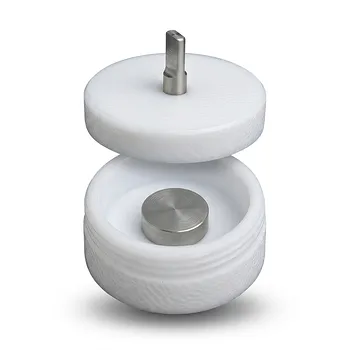
- Acid Resistant PTFE Button Cell Battery Test Fixture Customizable Machining High Purity Electrochemical Testing Clamp
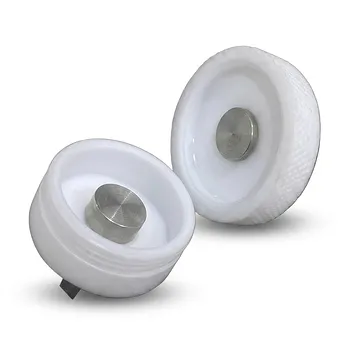
- Corrosion Resistant PTFE Coin Cell Battery Testing Clamps and Acid Proof Custom Fluoropolymer Battery Fixtures
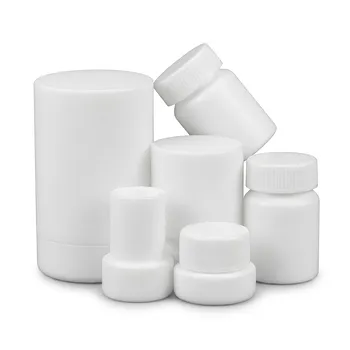
- Corrosion Resistant PTFE Small Reaction Bottle One Piece Molded Teflon Sample Storage Tank
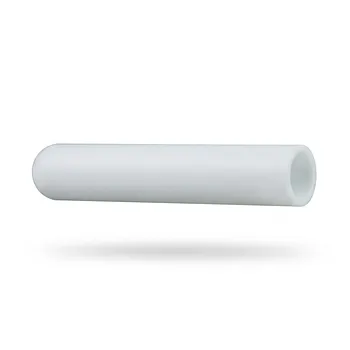
- Custom PTFE Test Tubes Corrosion Resistant Low Background Fluoropolymer Labware 50ml 30ml
- Custom Machined PTFE Conical Sample Cell Corrosion Resistant Triangular Fluoropolymer Container for Trace Analysis
People Also Ask
- In what ways do PTFE battery testing fixtures enhance laboratory throughput and reliability? Maximize Research Efficiency
- How does the chemical inertness of PTFE benefit laboratory-scale battery testing? Ensure high-purity research results.
- In what industrial manufacturing contexts are PTFE battery clamps or fixtures utilized? Optimize Battery Production.
- What is the thermal operating range for PTFE battery clamps in electrochemical research? Stability from -200°C to +260°C
- What are the primary functions and material compositions of PTFE battery clamps? Ensure Precision & Chemical Resistance