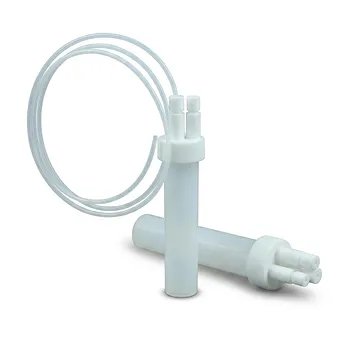
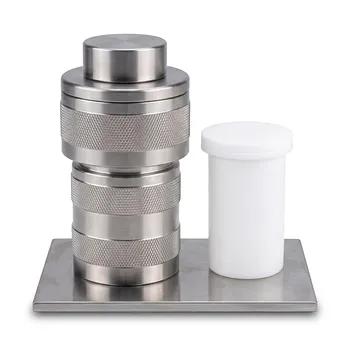
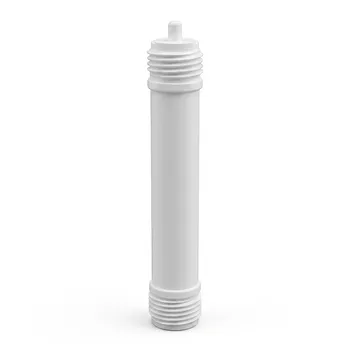
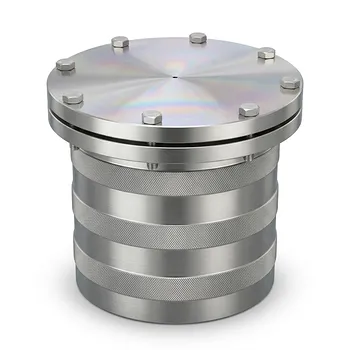
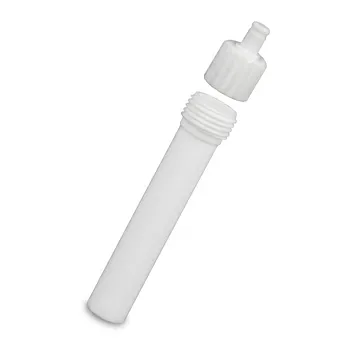
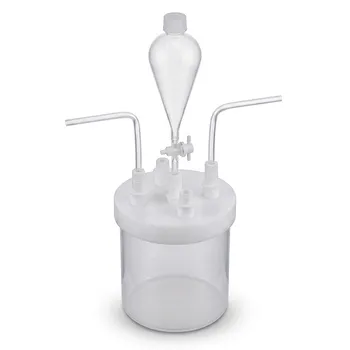
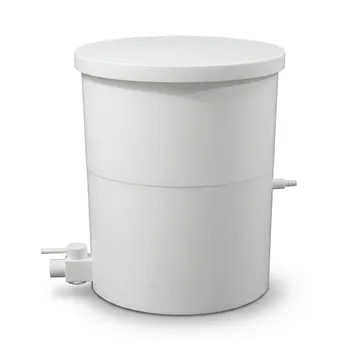
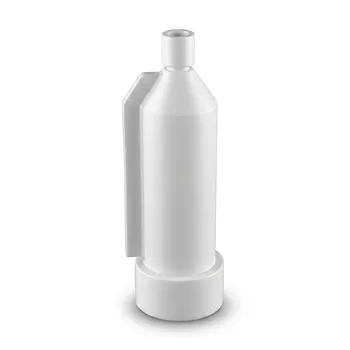
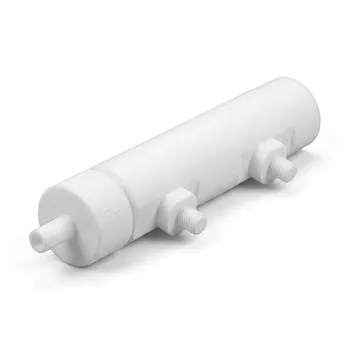
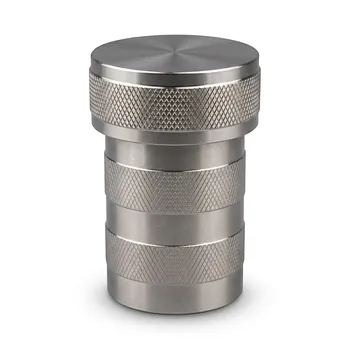
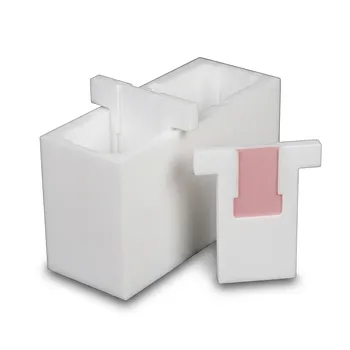
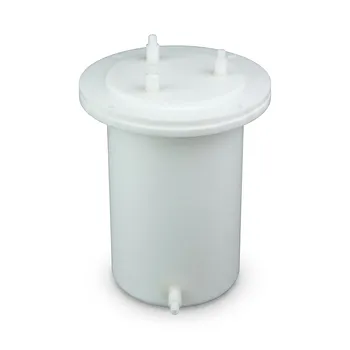
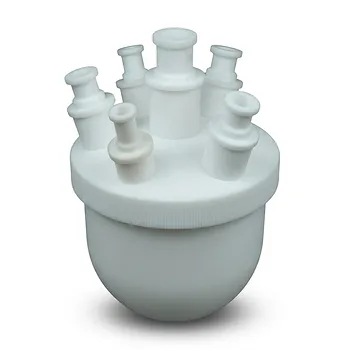
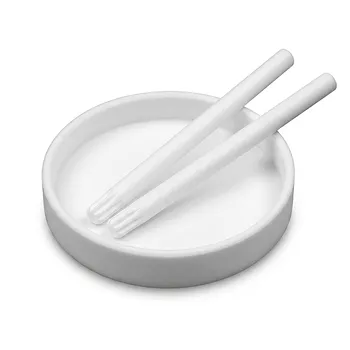
The success of zeolite split synthesis depends on absolute chemical isolation. High-purity PTFE or PFA liners are preferred because they withstand the aggressive alkaline hydroxides, such as TMAdamOH and LiOH, required for SSZ-13 and ZSM-5 synthesis at 160°C. By acting as a total chemical barrier, these liners prevent the leaching of aluminum, silicon, or metal ions from the reactor walls, ensuring that the final zeolite framework is defined only by the intended precursors.
Core Takeaway: High-purity fluoropolymer liners provide a chemically inert and non-contaminating environment that is essential for the precise framework engineering of SSZ-13 and ZSM-5 zeolites. By isolating the reaction from the metal vessel, these liners ensure that trace impurities do not interfere with the carefully managed aluminum distribution required during the split synthesis process.
Maintaining Framework Integrity through Chemical Inertness
Resistance to Strong Alkaline Hydroxides
The synthesis of zeolites like SSZ-13 and ZSM-5 often involves strong alkaline media, including Lithium Hydroxide (LiOH) or N,N,N-trimethyl-1-adamantylammonium hydroxide (TMAdamOH). At typical reaction temperatures of 160°C, these substances are highly corrosive to standard laboratory materials.
Prevention of External Element Leaching
High-purity PTFE (Polytetrafluoroethylene) and PFA (Perfluoroalkoxy) liners prevent the introduction of trace impurities such as aluminum or silicon from the container walls. Because these elements are the building blocks of the zeolite framework, even minute amounts of unintended leaching can alter the desired Si/Al ratio.
Ensuring a Stable Physicochemical Environment
These liners provide a stable environment that resists corrosion from various organic solvents and strong acids or bases. This stability ensures that the microscopic morphology and crystal growth of the zeolites remain controllable throughout the hydrothermal process.
Precision Control in Split Synthesis
Managing Aluminum Distribution
In split synthesis, researchers precisely manage the addition or removal of components to control the aluminum distribution within the zeolite framework. High-purity liners ensure that no "background" aluminum is introduced, allowing for the exact stoichiometry required for high-performance catalysts.
Metal-Ion Isolation
The liner acts as a physical barrier that prevents reaction solutions from directly contacting the metal reactor body. This isolation is critical to avoid metal ion contamination, which could otherwise enter the crystal lattice and disrupt the precise electronic structure of the synthesized material.
Product Recovery and Collection
The low surface energy and non-stick properties of PTFE and PFA materials facilitate the easy detachment of the synthesized nanopowders. This ensures high yield and prevents the product from being contaminated by residues left over from previous synthesis cycles.
Understanding the Trade-offs and Limitations
Temperature Constraints
While PTFE and PFA are excellent for most zeolite syntheses, they have definitive thermal limits, typically around 250°C to 260°C. Exceeding these temperatures can lead to material softening, mechanical failure, or the release of toxic fluorinated vapors.
Mechanical Deformation (Cold Flow)
PTFE is susceptible to "cold flow" or deformation under continuous high pressure over time. Users must ensure the liner is properly supported by a stainless steel jacket to prevent the seal from failing during the high-pressure hydrothermal process.
Gas Permeability
At high temperatures and pressures, certain small molecules or gases may slowly permeate through the fluoropolymer walls. This can occasionally lead to slight pressure losses or the gradual staining of the outer metal vessel if the reactor is not cleaned and maintained meticulously.
How to Apply This to Your Project
When selecting liners for your hydrothermal reactors, your choice should align with the specific requirements of your synthesis protocol.
- If your primary focus is Maximum Framework Purity: Always opt for high-purity PFA liners, as they typically offer lower trace-element leaching rates compared to standard-grade PTFE.
- If your primary focus is Ease of Recovery: Prioritize PTFE liners for their superior non-stick "mold-release" properties, which simplify the collection of fine micro- and nano-powders.
- If your primary focus is Corrosive Resistance: Ensure the liner is seamlessly molded to prevent alkaline "creep" from reaching the metal reactor walls, especially when using strong organic structure-directing agents (OSDAs).
Selecting the appropriate high-purity liner is not merely a convenience, but a technical necessity for achieving the precise chemical control required in modern zeolite engineering.
Summary Table:
| Feature | PTFE/PFA Liner Benefit | Impact on Zeolite Synthesis |
|---|---|---|
| Chemical Resistance | Resists LiOH and TMAdamOH at 160°C | Prevents reactor corrosion in alkaline media |
| Material Purity | Total chemical isolation | Prevents leaching of Al/Si; maintains Si/Al ratio |
| Surface Energy | Low energy (Non-stick) | Facilitates high-yield recovery of nanopowders |
| Thermal Range | Stable up to 250°C-260°C | Ideal for most hydrothermal reaction conditions |
| Contamination Control | Metal-ion isolation | Protects crystal lattice electronic structure |
Elevate Your Zeolite Engineering with KINTEK Precision
Don't let trace impurities compromise your catalytic frameworks. KINTEK specializes in high-performance fluoropolymer solutions designed for the most demanding hydrothermal environments.
Whether you need everyday essentials like beakers, crucibles, and reagent bottles or specialized tools like hydrothermal synthesis liners, microwave digestion vessels, and custom electrochemical cells, we provide the absolute chemical isolation your research demands. Our expertise extends from standard labware to bespoke CNC-fabricated components, all crafted from high-purity PTFE and PFA to ensure zero contamination and maximum durability.
Ready to optimize your synthesis yields? Contact KINTEK today to discuss your custom labware requirements!
References
- Sven Robijns, Michiel Dusselier. Split Syntheses: Introducing Bottom-Up Control over Aluminum in SSZ-13 and ZSM-5 Zeolites. DOI: 10.1021/jacsau.4c00551
This article is also based on technical information from Kintek Knowledge Base .
Related Products
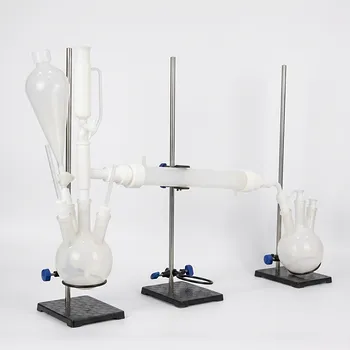
- High Purity PFA Constant Pressure Condensation Reaction System Acid Resistant High Temperature Customizable Teflon Labware
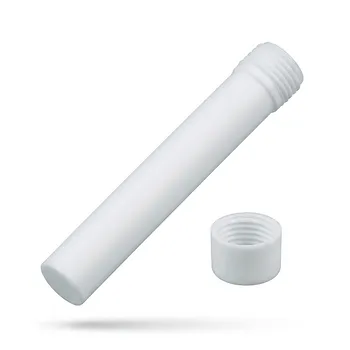
- High Purity TFM Microwave Digestion Vessels PTFE Acid Evaporation Liners Domestic GT-400 Equivalent Laboratory Reaction Containers
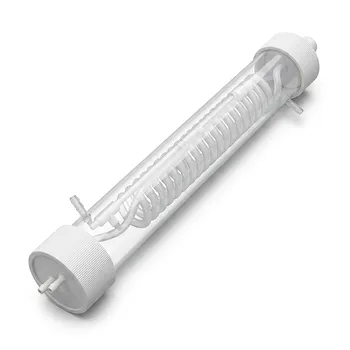
- High Purity PFA Condenser Serpentine Straight HF Resistant Reaction Apparatus Custom Circulation Column
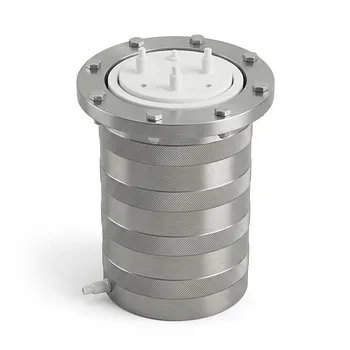
- High Pressure Custom TFM Reactor Stainless Steel Outer Vessel PTFE Inner Cup for Corrosive Synthesis
- Custom PFA Reaction Bottles High Purity PTFE Reaction Vessels Corrosion Resistant Petrochemical Containers
People Also Ask
- Why is high-purity PFA labware preferred when preparing mixed solutions? Prevent Trace-Metal Leaching & Contamination
- What are the core advantages of high-purity PFA labware? Achieve Unmatched Precision in Trace Analysis
- Why Is High-Purity PFA Preferred for Trace Analysis and Synthesis? Achieve Unmatched Analytical Precision
- Why use PFA labware for LiFePO4 precursor preparation? Ensure Trace Metal Purity & Superior Battery Performance.
- What technical advantages does high-purity PFA labware provide in trace fluorescence detection? Ensure Peak Sensitivity