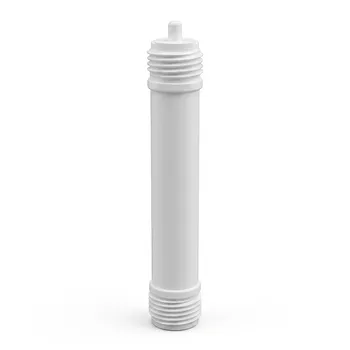
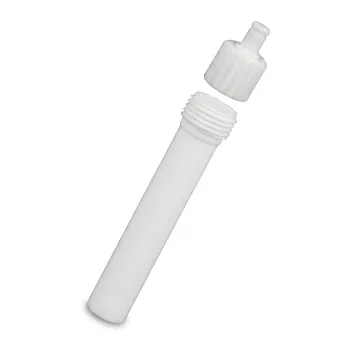
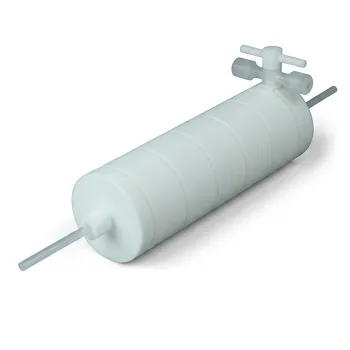
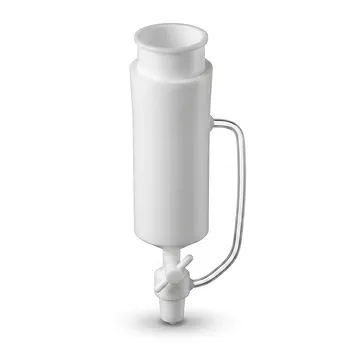
High-purity Polytetrafluoroethylene (PTFE) or Perfluoroalkoxy (PFA) liners are used in autoclaves to provide a chemically inert barrier that survives the harsh, alkaline conditions required for Magnesium-Aluminum Layered Double Hydroxide (Mg-Al LDH) synthesis. These fluoropolymer liners serve the dual purpose of protecting the stainless steel autoclave body from corrosive attack and preventing metal ions from leaching into the reaction, which would otherwise compromise the purity and crystalline structure of the LDH sample.
Core Takeaway: The use of PTFE or PFA liners is a critical requirement for hydrothermal synthesis to isolate highly reactive alkaline precursors from the metal reactor walls. This isolation ensures that the resulting Mg-Al LDH is free from metallic impurities and that the autoclave remains structurally sound over repeated high-pressure cycles.
The Critical Role of Chemical Inertness
Resisting Highly Alkaline Environments
The synthesis of Magnesium-Aluminum Layered Double Hydroxides (LDHs) typically involves strong alkaline media. These conditions are highly corrosive to standard stainless steel, which can lead to pitting and structural degradation of the autoclave vessel over time.
Protecting the Structural Integrity of the Autoclave
By utilizing PTFE or PFA, the reaction liquid is completely isolated from the metal walls. These fluoropolymers exhibit exceptional chemical stability, allowing the autoclave to withstand the high-temperature and high-pressure (HTHP) conditions of hydrothermal synthesis without the risk of vessel failure.
Ensuring High-Purity Synthesis
Preventing Metal Ion Leaching
One of the most significant risks in hydrothermal synthesis is the leaching of iron, nickel, or chromium ions from the stainless steel autoclave body into the reaction mixture. Even trace amounts of these foreign metal ions can incorporate into the LDH lattice, altering its chemical and physical properties.
Promoting Controlled Crystal Growth
High-purity liners ensure that the growth of Mg-Al LDH crystals occurs in a controlled environment. By eliminating unintended metal impurities, the liners prevent interference with the nucleation and growth kinetics, resulting in a product with a more uniform and dense microstructure.
Thermal and Physical Advantages
Stability Under Hydrothermal Conditions
Both PTFE and PFA are selected for their ability to maintain mechanical integrity at elevated temperatures, typically up to 200°C–250°C. This thermal resistance is essential for solvothermal and hydrothermal processes where precursors must remain at constant temperature for prolonged periods to form the desired phases.
Non-Stick Properties and Product Recovery
The non-stick nature of these fluoropolymers facilitates the easy recovery of the synthesized LDH powder. This property reduces product loss on the container walls and simplifies the cleaning process, preventing cross-contamination between different experimental batches.
Understanding the Trade-offs
Temperature Limitations
While PTFE and PFA are robust, they have distinct thermal ceilings (typically 250°C for PTFE). Exceeding these temperatures can cause the liner to soften, deform, or release toxic fluorinated gases, which can compromise both the experiment and laboratory safety.
Thermal Expansion Disparity
Fluoropolymers have a much higher coefficient of thermal expansion than the stainless steel jackets that house them. If a liner is filled too high or heated too rapidly, the expansion of the liner against the rigid metal wall can lead to "creep" or permanent deformation of the polymer.
How to Apply This to Your Synthesis
Making the Right Choice for Your Goal
- If your primary focus is Maximum Chemical Purity: Always use a high-purity PFA liner, as PFA often has lower trace element extractables and smoother surface finishes than standard PTFE.
- If your primary focus is High-Temperature Synthesis (above 220°C): Carefully monitor the pressure and ensure your PTFE liner is rated for the specific temperature to avoid "cold flow" or liner deformation.
- If your primary focus is Morphology and Particle Size Control: Utilize the non-stick properties of these liners to ensure that crystals do not aggregate on the vessel walls, which promotes more homogenous particle distribution.
Selecting the appropriate liner material is not merely a safety precaution, but a fundamental step in ensuring the reproducibility and integrity of advanced material synthesis.
Summary Table:
| Key Feature | Benefit for Mg-Al LDH Synthesis |
|---|---|
| Chemical Inertness | Resists strong alkaline media; prevents autoclave corrosion and pitting. |
| Metal Leaching Prevention | Blocks iron, nickel, and chromium ions from entering the reaction mixture. |
| Thermal Stability | Maintains mechanical integrity under high-pressure hydrothermal conditions. |
| Non-stick Surface | Ensures high product recovery and prevents cross-contamination between batches. |
| Crystal Control | Promotes uniform nucleation by providing a clean, controlled environment. |
Elevate Your Synthesis Precision with KINTEK
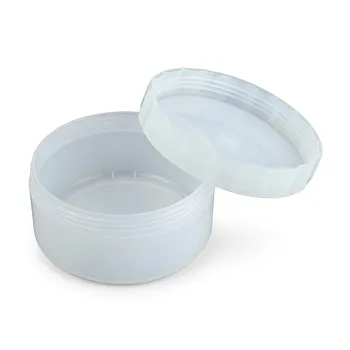
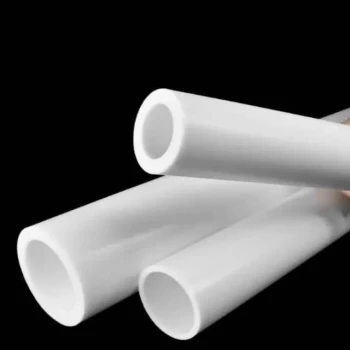
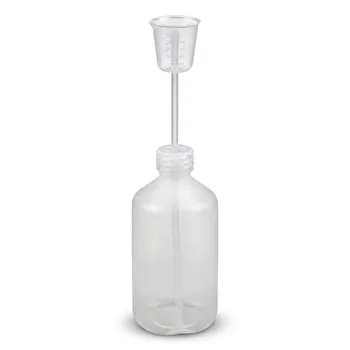
Ensure the absolute purity of your Mg-Al LDH samples and the longevity of your equipment with KINTEK’s premium fluoropolymer solutions. From high-purity hydrothermal synthesis liners and microwave digestion vessels to a full range of lab essentials—including beakers, reagent bottles, tubing, and filters—we provide the chemically inert tools your research demands.
At KINTEK, we specialize exclusively in high-performance PTFE and PFA materials. Whether you need standard consumables like stirring bars and O-rings or custom CNC-fabricated components and complex reaction apparatus, our end-to-end manufacturing capabilities deliver exactly what you need with uncompromising quality.
Ready to optimize your lab's performance? Contact us today to discuss your custom requirements or high-volume orders!
References
- Da Gang Yin, Sicong Meng. Synthesis of regular ortho-hexagonal lamellar magnesium-aluminium hydrotalcites. DOI: 10.1088/1742-6596/3008/1/012041
This article is also based on technical information from Kintek Knowledge Base .
Related Products
- High Purity PTFE Microwave Digestion Vessel for Soil and Food Analysis Acid Resistant Fluoropolymer Sample Preparation Liners
- Custom TFM Reaction Vessel with Stainless Steel Jacket and PTFE Inner Cup for High Corrosion Resistance
- PTFE PFA Vacuum Filtration System Corrosion Resistant Customizable Shatterproof Laboratory Device
- High Purity PTFE Microwave Digestion Vessel Replacement Liner for Acid Sample Preparation and Trace Analysis
- PTFE Lined High Pressure Digestion Vessel 50ml High Temperature Hydrothermal Synthesis Tank
People Also Ask
- Why is PTFE preferred for microwave-assisted Ln-MOF synthesis? Key Benefits for Purity & Speed
- How does the dielectric property of PTFE benefit microwave-assisted digestion? Unlock Rapid and Uniform Sample Heating
- What are the advantages of using microwave digestion vessels? Optimize EG@MO synthesis with superior thermal control.
- What safety features are commonly integrated into microwave digestion vessels? Ensuring High-Pressure Laboratory Safety
- What are the advantages of using microwave digestion vessels for environmental analysis? Boost speed and sample accuracy.