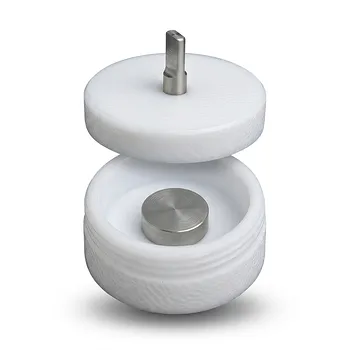
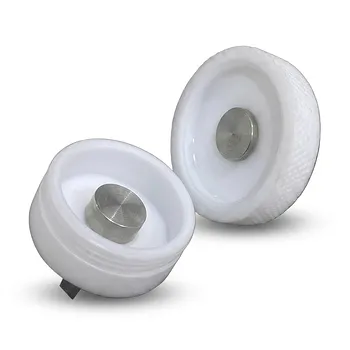
High-precision electrochemical in-situ testing units and battery fixtures are essential for lithium-sulfur (Li-S) batteries because they manage extreme volume expansion and complex interface reactions that would otherwise cause cell failure. These specialized tools provide the constant mechanical pressure and airtight sealing necessary to maintain electrode integrity, ensure accurate data collection under lean electrolyte conditions, and stabilize the sensitive lithium metal anode during cycling.
Core Takeaway: To move lithium-sulfur technology from the lab to the real world, testing equipment must provide a controlled, pressurized, and chemically inert environment that mirrors practical service conditions while isolating the true electrochemical performance of the materials.
Managing Mechanical Stress and Volume Expansion
Counteracting Physical Deformation
Lithium-sulfur batteries undergo significant volume changes during charge and discharge as sulfur converts to various polysulfides. High-precision fixtures provide stable mechanical pressure that prevents the electrodes and separators from deforming or delaminating. Without this constant support, the internal structure of the battery would fail prematurely due to physical stress.
Optimizing the Lithium Metal Anode Interface
The stability of the lithium metal anode is highly sensitive to external pressure. Precise pressure control maintains the integrity of the interface layer, preventing localized high current densities and "dead lithium" formation. This uniform contact is critical for extending the cycle life of high-load Li-S systems.
Ensuring Chemical and Environmental Integrity
Sealing for Lean Electrolyte Conditions
Practical Li-S batteries must operate with a low electrolyte-to-sulfur (E/S) ratio to achieve high energy density. Customized fixtures offer exceptional sealing integrity and precise volume control, ensuring the electrolyte fully saturates the active material without leaking. This allows researchers to accurately simulate real-world "lean electrolyte" service environments.
Resistance to Corrosive Environments
Li-S batteries often utilize corrosive electrolytes and undergo severe electrochemical potential fluctuations. Fixtures manufactured from engineering materials like PTFE or PFA provide superior chemical resistance and electrical insulation. These materials ensure that the fixture itself does not react with the cell chemistry or introduce interference signals into the data.
Accuracy in Electrochemical Characterization
Minimizing Contact Resistance
Standardized fixtures are designed to apply uniform axial pressure across the entire electrode surface. This minimizes voltage drops and thermal effects caused by unstable contact resistance, ensuring that the recorded voltage curves reflect the material's properties rather than assembly flaws.
Monitoring Ion Transport and Resistance
High-precision units allow for the accurate characterization of graphene-modified electrolytes and electrode interfaces. By providing a stable environment, these devices enable researchers to monitor changes in ion transport resistance and active material utilization across various temperatures and discharge rates.
Understanding the Trade-offs and Limitations
The Cost of Precision
While high-precision fixtures provide superior data, they represent a significantly higher capital investment than standard coin cell components. The complexity of in-situ units also requires specialized training, as improper assembly of a precision cell can lead to seal failure or inaccurate pressure application.
Material Compatibility and Temperature Constraints
Although PTFE is excellent for chemical resistance, it has thermal expansion properties that may affect pressure stability during extreme temperature testing. Users must choose between different polymer seals (like PFA or PEEK) based on the specific temperature range and chemical aggressiveness of their experimental electrolyte.
How to Apply This to Your Battery Project
To achieve reliable results in lithium-sulfur research, your choice of testing hardware must align with your specific performance targets.
- If your primary focus is high energy density (lean electrolyte): Utilize customized in-situ cells with precise volume control and high-performance PFA seals to prevent electrolyte loss.
- If your primary focus is cycle life and LMA stability: Invest in fixtures capable of applying constant, measurable axial pressure to maintain the lithium metal interface.
- If your primary focus is material discovery and screening: Use standardized, high-precision coin cell molds to ensure repeatability and minimize assembly-induced variables.
By utilizing high-precision testing units, you ensure that your data reflects the true potential of your electrochemical materials rather than the limitations of your testing environment.
Summary Table:
| Feature | Benefit for Li-S Testing | Key Materials |
|---|---|---|
| Mechanical Pressure | Counteracts volume expansion & stabilizes Li-anode | High-grade Alloys / PTFE |
| Airtight Sealing | Maintains lean electrolyte (E/S ratio) integrity | PFA / PEEK / PTFE |
| Chemical Inertness | Prevents corrosion from polysulfides & electrolytes | High-performance Fluoropolymers |
| Interface Stability | Minimizes contact resistance & stabilizes data | Custom CNC Components |
Elevate Your Battery Research with KINTEK’s Precision Engineering
Transitioning lithium-sulfur technology from the laboratory to the real world requires a testing environment that is as precise as your science. At KINTEK, we specialize in high-performance fluoropolymer solutions and advanced electrochemical hardware designed specifically to meet these rigorous demands.
From everyday basic labware like beakers, crucibles, and reagent bottles to specialized high-purity trace analysis instruments and cleaning tanks, we provide the foundation for a clean lab environment. For your advanced battery projects, we offer comprehensive fluid transfer components (tubing, valves), sample prep tools, and custom electrochemical cells—including battery testing fixtures and hydrothermal synthesis liners—all crafted from premium PTFE and PFA.
Whether you need complex non-standard machined parts via our end-to-end custom CNC fabrication or high-volume orders of standard consumables like O-rings and stirring bars, KINTEK delivers the durability and chemical resistance your research depends on.
Ready to eliminate testing variables and secure your data? Contact KINTEK today to discuss your custom battery fixture needs!
References
- Jackie Y. Ying. Graphene in Lithium-Sulfur Batteries: Challenges, Improvement Strategies and Future Prospects. DOI: 10.54254/2755-2721/2025.20051
This article is also based on technical information from Kintek Knowledge Base .
Related Products
- Acid Resistant PTFE Button Cell Battery Test Fixture Customizable Machining High Purity Electrochemical Testing Clamp
- Corrosion Resistant PTFE Coin Cell Battery Testing Clamps and Acid Proof Custom Fluoropolymer Battery Fixtures
People Also Ask
- How does the chemical inertness of PTFE benefit laboratory-scale battery testing? Ensure high-purity research results.
- In what ways do PTFE battery testing fixtures enhance laboratory throughput and reliability? Maximize Research Efficiency
- In what industrial manufacturing contexts are PTFE battery clamps or fixtures utilized? Optimize Battery Production.
- What is the thermal operating range for PTFE battery clamps in electrochemical research? Stability from -200°C to +260°C
- What are the primary functions and material compositions of PTFE battery clamps? Ensure Precision & Chemical Resistance