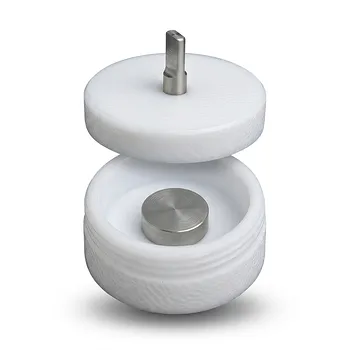
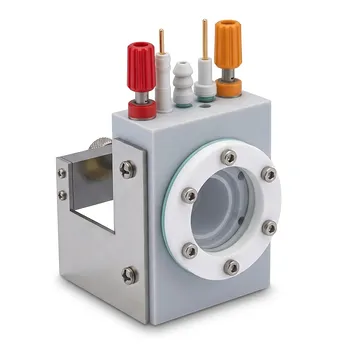
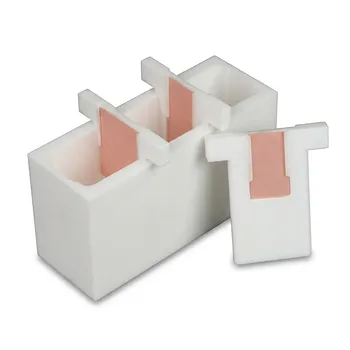
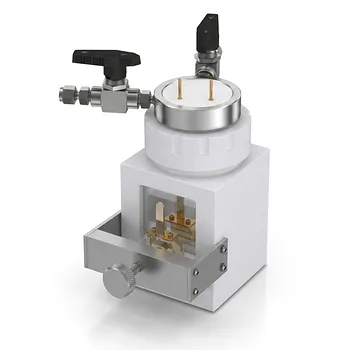
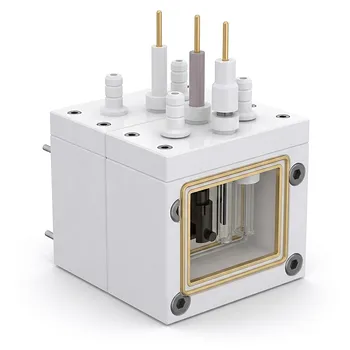
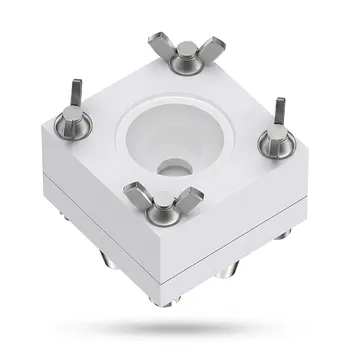
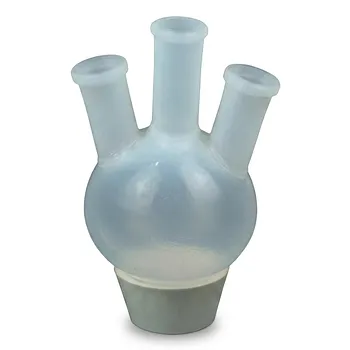
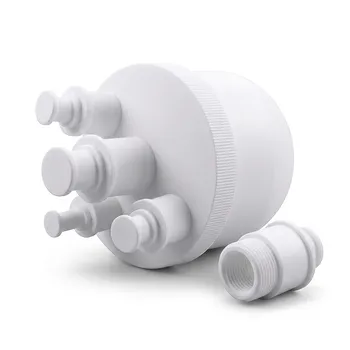
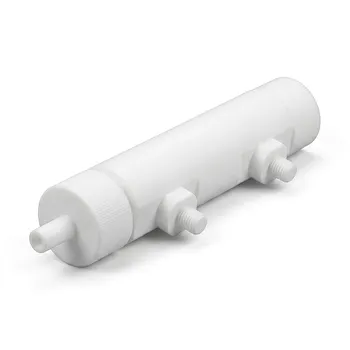
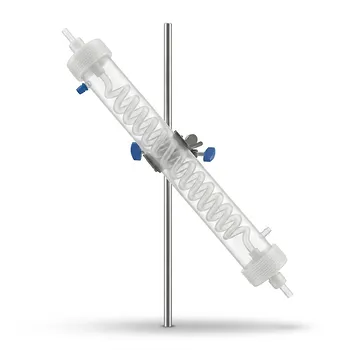
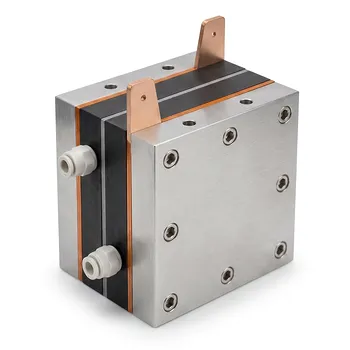
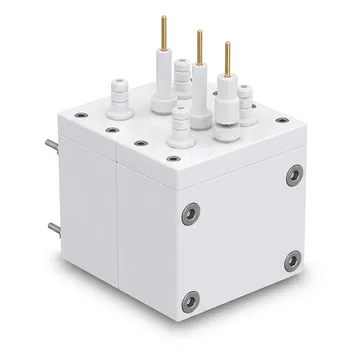
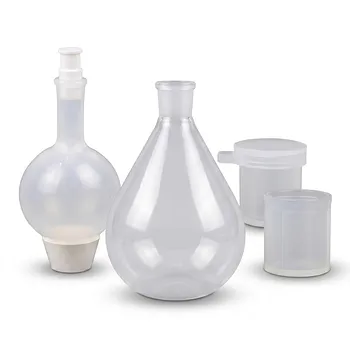
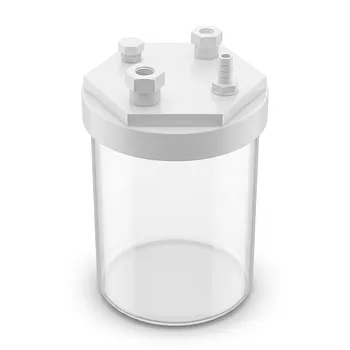
High-performance fluoropolymer components are ideal for battery research and electrochemical cell testing because they combine chemical inertness, electrical insulation, thermal stability, and reliable mechanical performance. Materials such as PTFE and PFA resist aggressive electrolytes, oxidizing environments, corrosion, and redox cycling, helping prevent contamination and unwanted side reactions. Their low electrical conductivity also limits current leakage and stray electrical interference, while their stability supports repeatable testing over extended periods.
The testing hardware should remain as chemically and electrically inactive as possible. High-purity fluoropolymer cells, seals, fixtures, tubing, valves, and fittings provide an inert, insulated, and durable environment so measured performance is primarily attributable to the battery materials under investigation.
Why Testing Hardware Material Matters
Preventing Electrolyte Contamination
Battery electrolytes can be corrosive, reactive, or strongly oxidizing. If the cell body, tubing, or fittings degrade, they may release trace contaminants that alter electrode behavior or distort analytical results.
PTFE and PFA resist chemical attack from many aggressive electrolyte systems. This helps preserve electrolyte purity and reduces the risk that the apparatus becomes an unintended source of experimental variability.
Suppressing Unwanted Side Reactions
A vessel or fixture that reacts with the electrolyte can introduce secondary chemical pathways. These reactions may consume active species, form unwanted films, or change the apparent electrochemical response.
Fluoropolymer components provide a chemically inert contact surface. This allows researchers to evaluate the intended electrode, electrolyte, or catalyst chemistry with fewer interactions from the surrounding hardware.
Maintaining Structural Integrity
Electrochemical experiments can involve long exposure times, repeated charge-discharge cycles, temperature changes, and volume changes in active materials. Components that swell, erode, crack, or dissolve can compromise the cell and invalidate results.
High-performance fluoropolymers maintain their physical integrity under demanding chemical and thermal conditions. This supports stable reaction vessels, sample holders, electrode accessories, and fluid-handling assemblies throughout extended testing.
Electrical and Thermal Stability Improve Measurement Quality
Providing Reliable Electrical Insulation
PTFE and PFA are strong electrical insulators with high dielectric strength and very high volume resistivity. In an electrochemical setup, this helps prevent current leakage through the cell body, fittings, seals, or support structures.
Effective insulation also reduces stray currents and electrical interference. The result is a cleaner measurement environment, particularly for low-current testing and sensitive analytical instrumentation.
Isolating the Measured Signal
Electrochemical measurements depend on controlling where current flows. Unintended conductive paths can alter cell resistance, affect apparent efficiency, or create inconsistent readings between tests.
Fluoropolymer fixtures and housings help keep the electrical path confined to the intended electrodes and electrolyte. This improves signal isolation and makes comparisons between experiments more meaningful.
Supporting Wide Temperature Operation
Battery and electrochemical tests may be performed across changing or elevated temperatures. Materials that soften excessively, embrittle, or lose sealing performance can introduce mechanical and safety problems.
PTFE and PFA retain useful physical and insulating properties across a wide temperature range. The appropriate grade and design must still be selected for the specific pressure, temperature, and chemical conditions of the experiment.
Reliable Sealing and Fluid Handling
Preserving Leak-Free Cell Operation
Seals, gaskets, and fittings are exposed directly to electrolytes and may experience thermal cycling or repeated assembly. Chemical degradation can lead to leaks, loss of pressure control, or exposure of sensitive components.
Fluoropolymer sealing components resist corrosion and long-term erosion from many reactive fluids. Maintaining sealing integrity protects the experiment and helps keep the electrolyte composition and operating conditions stable.
Improving Fluid-System Compatibility
PTFE and PFA tubing, valves, and fittings are useful for transferring, containing, and isolating reactive electrolytes. Their chemical resistance reduces the likelihood that fluid-contact surfaces will contaminate the sample or degrade during use.
This is especially important in systems where small contamination levels can affect electrode performance, catalyst activity, or trace analytical measurements.
Reducing Short-Circuit Risks
Insulating seals and structural components help separate electrodes and conductive hardware. Properly designed fluoropolymer parts can therefore support electrical isolation while maintaining the mechanical alignment of the cell.
Material selection alone does not prevent every short circuit. Electrode geometry, compression, tolerances, and assembly procedures remain essential to safe and reliable cell design.
Customization Supports Specialized Experiments
Accommodating Non-Standard Cell Geometries
Research cells often need unusual electrode sizes, flow paths, ports, sample volumes, or temperature-control features. Standard laboratory hardware may not provide the required geometry or repeatability.
Custom-machined PTFE and PFA parts can be produced for bespoke cell bodies, reaction fixtures, electrode holders, material containers, and fluid connections. This allows the apparatus to match the experimental design rather than forcing the experiment into a standard format.
Improving Repeatability
Inconsistent fixture dimensions can change electrode spacing, compression, exposed surface area, or electrolyte volume. These seemingly small differences can affect resistance, current distribution, and measured performance.
Precision machining helps maintain consistent component dimensions across multiple cells or test runs. Better dimensional consistency improves repeatability and makes experimental trends easier to interpret.
Supporting Rapid Research Iteration
Battery development frequently involves changing electrode formats, separators, electrolyte volumes, and operating conditions. A modular or custom fluoropolymer fixture can be adapted as the research question evolves.
This flexibility is valuable when testing new materials or building specialized cells for fuel-cell, secondary-battery, and other electrochemical applications.
Understanding the Trade-offs
Mechanical Creep and Dimensional Stability
PTFE is highly chemically resistant, but it can exhibit creep under sustained load and may be less dimensionally rigid than some engineering plastics or metals. This matters in heavily compressed seals, threaded connections, and precision alignment features.
Designers may need suitable geometries, reinforcement, backup structures, or an alternative fluoropolymer such as PFA when dimensional stability and transparency are important.
Thermal and Pressure Limits Still Apply
Fluoropolymers offer broad operating ranges, but they are not suitable for every temperature, pressure, or mechanical load. Excessive conditions can cause deformation, loss of sealing force, or component failure.
The material grade, wall thickness, connection method, and pressure rating should be evaluated against the complete test envelope rather than selected by chemical compatibility alone.
Surface and Manufacturing Considerations
Fluoropolymers have low surface energy, which can influence wetting, bonding, coating adhesion, and fluid retention. Machining quality and cleaning procedures also affect contamination control.
High-purity material, appropriate machining practices, and validated cleaning are necessary when experiments are sensitive to trace impurities or surface effects.
Compatibility Is System-Specific
No material should be considered universally inert without checking the actual electrolyte, temperature, concentration, pressure, and exposure duration. Chemical compatibility data and application-specific testing remain important.
Fluoropolymer components reduce many common sources of interference, but they do not replace sound cell design, controlled operating procedures, or appropriate safety measures.
Making the Right Choice for Your Goal
Select the component material and design according to the dominant risk in your experiment.
- If your primary focus is chemical purity: Use high-purity PTFE or PFA for wetted cell surfaces and fluid paths to minimize contamination and unwanted reactions.
- If your primary focus is measurement accuracy: Use fluoropolymer housings, fixtures, and insulators to reduce current leakage, stray currents, and electrical interference.
- If your primary focus is long-duration cycling: Prioritize fluoropolymer components with verified electrolyte, temperature, sealing, and dimensional compatibility.
- If your primary focus is specialized cell design: Use precision-machined fluoropolymer parts to control electrode geometry, flow paths, sample volumes, and assembly repeatability.
- If your primary focus is leak prevention: Evaluate PFA or PTFE seals, gaskets, tubing, valves, and fittings against the complete chemical and mechanical operating conditions.
When the hardware remains inert, insulated, stable, and precisely configured, electrochemical test results become more reliable and easier to trust.
Summary Table:
| Benefit | Explanation | Application |
|---|---|---|
| Chemical Inertness | Resists aggressive electrolytes and contaminants | Cell bodies, tubing, fittings |
| Electrical Insulation | High dielectric strength, prevents current leakage | Housings, insulators |
| Thermal Stability | Retains properties across wide temperature range | High-temp test cells |
| Mechanical Integrity | Durable under thermal cycling and mechanical stress | Seals, gaskets, fixtures |
| Customization | CNC machining for bespoke cell designs | Electrode holders, custom cells |
Enhance the reliability of your battery research with precision-machined PTFE/PFA components. At KINTEK, we specialize in high-performance fluoropolymer labware and custom parts tailored to your electrochemical testing needs. Our materials ensure chemical purity, electrical insulation, and thermal stability, helping you achieve accurate, repeatable results. Contact us today to discuss your requirements and discover how our expertise can support your research. Get in touch now.
Related Products
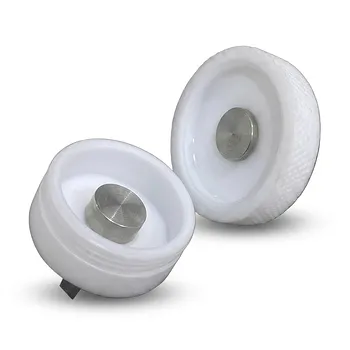
- Corrosion Resistant PTFE Coin Cell Battery Testing Clamps and Acid Proof Custom Fluoropolymer Battery Fixtures
- Corrosion Resistant PTFE Electrochemical Cell for New Energy Research Inert Insulating Customizable Lab Reaction Vessel
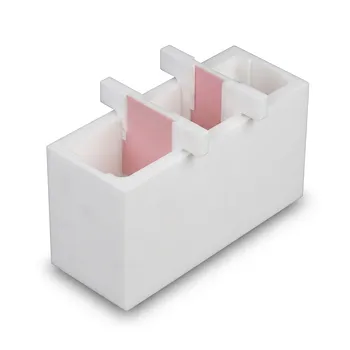
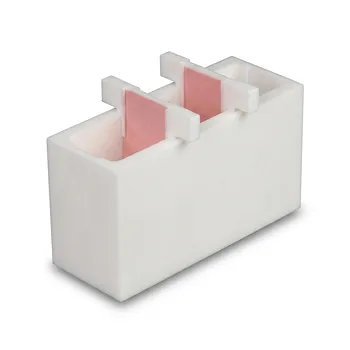
- Square PTFE Electrochemical Cell for Silicon Wafer Processing and Hydrofluoric Acid Resistance in Semiconductor and New Energy Research
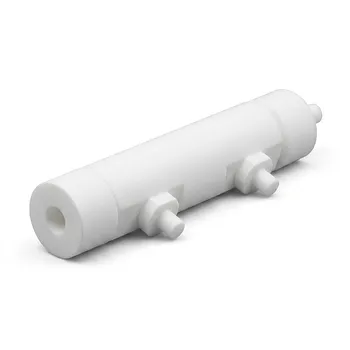
- Custom PTFE Electrolytic Cell Corrosion Resistant Low Background Reaction Vessel with Inlet Outlet Ports
- Acid Resistant PTFE Button Cell Battery Test Fixture Customizable Machining High Purity Electrochemical Testing Clamp
People Also Ask
- What is the thermal operating range for PTFE battery clamps in electrochemical research? Stability from -200°C to +260°C
- What are the primary functions and material compositions of PTFE battery clamps? Ensure Precision & Chemical Resistance
- How do coin cell testing fixtures evaluate ZIF-derived LCO cycling stability? Ensure Battery Research Precision
- What are the electrical insulation and signal integrity advantages of using PTFE battery clamps? Ensure Data Accuracy
- How does the chemical inertness of PTFE benefit laboratory-scale battery testing? Ensure high-purity research results.