High-molecular-weight fluoropolymers are produced through several controlled polymerization routes, with emulsion polymerization and supercritical carbon dioxide (scCO₂) techniques among the most important. Radical polymerization, including fluorinated-peroxide initiation and controlled F-RAFT approaches, is widely suited to fluoroalkene monomers and copolymers, while anionic and electrochemical methods serve more specialized chemistries. The required equipment depends on monomer volatility, pressure, initiator reactivity, solvent aggressiveness, and the need to prevent contamination or phase separation.
High molecular weight is achieved by matching the polymerization mechanism to the monomer and controlling transport, temperature, pressure, feed rate, and chain-transfer reactions. Fluoropolymer-compatible vessels and fluid-handling systems are essential, but they must also be appropriately pressure-rated, temperature-rated, sealed, and supported by suitable containment and process controls.
Which Synthetic Methods Produce High-Molecular-Weight Fluoropolymers?
Emulsion Polymerization
Emulsion polymerization is a major route for producing high-molecular-weight fluoropolymers. Fluorinated monomers are dispersed in an aqueous or otherwise suitable continuous phase, where micelles or polymer particles provide localized reaction environments.
The hydrophobic character of many fluorinated monomers can support rapid diffusion through micelle membranes. This helps deliver monomer to growing particles and can produce dense polymers with high molecular weight and high fluorine content.
Supercritical Carbon Dioxide Polymerization
Supercritical CO₂ emulsion or dispersion polymerization provides an alternative reaction medium for fluorinated systems. It can support radical polymerization while reducing dependence on conventional organic solvents.
The process can be configured to produce either dense polymer structures or controlled porous morphologies. However, the reactor must safely contain elevated pressure and maintain stable temperature and phase conditions throughout the reaction.
Conventional Radical Polymerization
Fluoroalkene systems, including vinylidene fluoride and hexafluoropropylene combinations, are commonly prepared through high-pressure radical polymerization. Fluorinated peroxides and related initiators can generate the radicals needed to start these reactions.
The process requires careful control of initiator concentration, monomer feed, temperature, pressure, and residence time. Highly reactive fluorinated radicals can also promote solvent chain-transfer reactions, which may reduce molecular weight or alter end-group chemistry.
Controlled Fluorinated RAFT Polymerization
Fluorinated RAFT agents, including fluorinated xanthates and perfluorinated dithioesters, can provide control over chain growth through efficient reversible chain transfer. This approach is useful for specialized semi-fluorinated block copolymers and other materials requiring controlled architecture.
The chain-transfer agent must be compatible with both the fluorinated and non-fluorinated monomers. Its design affects chain-transfer constants, molecular-weight distribution, block formation, and the ability to polymerize monomers with different activation levels.
Anionic and Electrochemical Polymerization
Anionic polymerization can be used when the monomer and reaction conditions support a sufficiently stable propagating anion. It requires strict control of moisture, oxygen, impurities, solvent choice, and temperature because small contaminants can terminate active chains.
Electrochemical polymerization uses an applied electrical potential to generate reactive species or drive coupling at an electrode. It is more specialized than emulsion or radical polymerization and requires control of electrode materials, electrolyte composition, current or potential, and heat removal.
Step-Growth Polycondensation
Some fluorinated monomers, including volatile fluoroalkenes such as octafluorocyclopentene, can participate in step-growth polycondensation or related coupling reactions. High molecular weight in step-growth systems depends strongly on high functional-group conversion and near-stoichiometric balance.
Volatile or toxic precursors make sealed reaction systems and reliable vapor containment particularly important. The process may also require elevated temperatures, increasing the importance of seal integrity and material compatibility.
How Process Control Affects Molecular Weight and Polymer Structure
Monomer Feed Rate
Controlled monomer feeding allows researchers to combine fluorinated and non-fluorinated units progressively. This is important when the desired material requires a balance between fluorine content, electronic behavior, solubility, flexibility, or thermal resistance.
Feed systems must deliver consistent flow without exposing the monomer to incompatible wetted surfaces. Pulsation, dead volume, leaks, and inaccurate dosing can change composition and molecular-weight distribution.
Copolymer Composition
Adding fluorinated units can improve chemical resistance, thermal performance, hydrophobicity, and electronic properties. Excessive or poorly distributed fluorination can instead cause phase separation or reduce performance in the final device or coating.
The position and sequence of substituted units can influence backbone planarity, morphology, solubility, and stability. Composition therefore needs to be controlled through both monomer selection and feed strategy.
Pressure and Temperature
Main-chain fluoropolymers such as poly(vinylidene fluoride), or PVDF, may require high-pressure polymerization because some monomers are gases at ordinary laboratory temperatures. Vinylidene fluoride, for example, has a very low boiling point and presents a significant containment challenge.
Temperature affects initiator decomposition, propagation rate, termination, monomer phase behavior, and solvent chain transfer. Pressure-rated reactors with accurate temperature control are necessary when gaseous monomers or supercritical media are involved.
Impurity and Chain-Transfer Control
Fluorinated radicals can be highly reactive, and some solvents can participate in chain-transfer reactions. This can limit molecular weight, change end groups, or produce inconsistent polymer properties.
High-purity reagents, clean fluid paths, compatible seals, and controlled atmospheres help reduce these effects. Equipment selection is therefore part of polymerization control, not merely a safety decision.
Equipment Considerations for Fluorinated Reactants
PTFE and PFA Wetted Components
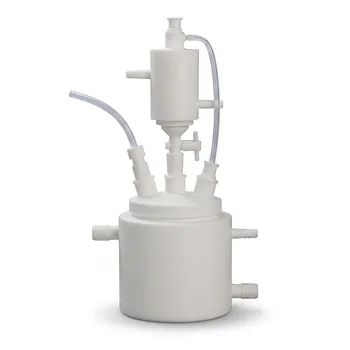
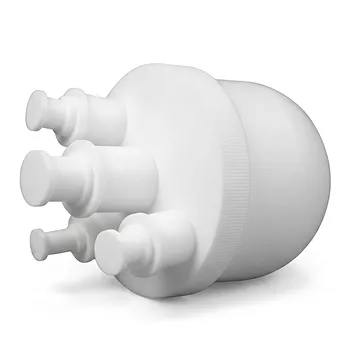
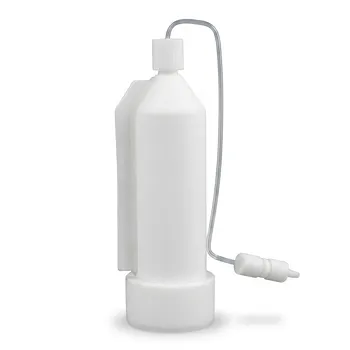
PTFE and PFA are commonly selected for reaction vessels, reagent bottles, digestion containers, tubing, fittings, and transfer lines because they resist many aggressive fluorinated reagents and solvents.
PFA is often useful for fabricated or transparent components and fluid-transfer assemblies, while PTFE is widely used for liners, seals, vessels, and machined parts. Compatibility must still be verified for the specific monomer, initiator, solvent, temperature, pressure, and exposure time.
Pressure-Rated Reaction Vessels
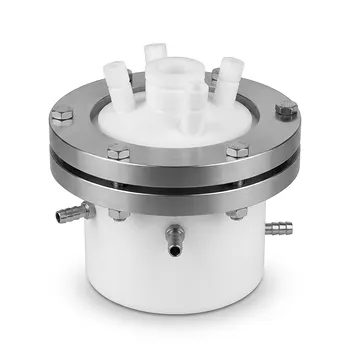
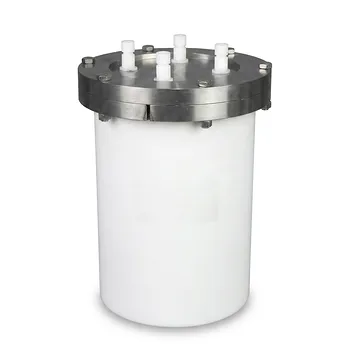
scCO₂ processes and gaseous-monomer polymerizations require vessels designed for the actual operating pressure, temperature, and chemistry. A chemically resistant liner alone does not make a vessel suitable for high-pressure service.
The complete assembly must include a pressure-rated body, correctly specified closures, relief protection, pressure measurement, temperature measurement, and a validated sealing system. High-pressure experiments should follow the applicable institutional and regulatory procedures.
Seals, Valves, and Transfer Lines
Leak-proof transfer fittings, corrosion-resistant valves, and chemically compatible seals are essential when handling volatile fluoroalkenes, aggressive initiators, or pressurized reaction mixtures. Custom-machined PTFE or PFA components may be appropriate for specialized geometries.
Metallic components should be selected to resist the specific chemical environment and to minimize trace-metal leaching. Where metal is unavoidable, the process design should distinguish between structural materials and wetted materials and verify their compatibility experimentally.
Low-Temperature and Vapor-Containment Systems
Low-boiling monomers may require cooled storage, temperature-controlled transfer, and sealed addition systems. The design must account for vapor pressure changes during charging, reaction, sampling, and depressurization.
Appropriate ventilation, gas detection where relevant, pressure relief, secondary containment, and controlled exhaust are necessary. Fluorinated monomers should not be treated as ordinary liquid reagents simply because they are used at laboratory scale.
Thermal Stability and Heated Equipment
Reaction vessels, lines, and seals must tolerate the maximum process temperature, including abnormal or runaway conditions where applicable. Equipment used for digestion, dissolution, or polymer processing may face especially demanding thermal environments.
During high-temperature processing of fluoropolymers, corrosive volatile decomposition products can form above the polymer’s melting or processing range. Fabrication machinery therefore requires corrosion-resistant construction, suitable ventilation, and adequate torque and pressure capacity for highly viscous melts.
Understanding the Trade-offs
Emulsion Routes Versus Bulk or Solution Routes
Emulsion polymerization can provide high molecular weight and effective heat management, but it introduces surfactants, particle isolation steps, and wastewater or purification requirements. The final polymer may require additional processing to remove residual additives.
Bulk or solution approaches can simplify product isolation or support particular copolymer architectures. They may instead face higher viscosity, poorer heat transfer, solvent chain transfer, and more difficult control of molecular weight.
scCO₂ Benefits and Constraints
scCO₂ can reduce the use of conventional organic solvents and can enable distinctive particle or porous morphologies. It also requires specialized high-pressure equipment and careful control of phase behavior.
A process that is chemically compatible at atmospheric pressure may not behave the same way under supercritical conditions. Solubility, swelling, seal performance, and depressurization behavior all need to be evaluated.
Fluoropolymer Labware Is Not a Complete Process Safeguard
PTFE and PFA reduce contamination and chemical-compatibility risks, but they do not replace engineering controls. They do not automatically address pressure hazards, toxic exposure, oxygen exclusion, static discharge, inadequate ventilation, or incompatible non-wetted structural components.
Compatibility claims must be based on the actual chemical mixture and operating conditions. Strong oxidizers, reactive initiators, high temperatures, and mechanical stress can create conditions under which even normally resistant materials require additional assessment.
Melt Processing Is Fabrication, Not Polymer Synthesis
Compression molding, injection molding, blow molding, and extrusion shape an already synthesized resin. They are not polymerization methods, although they are important when producing fluoropolymer vessels, tubing, fittings, valves, or finished components.
PTFE is generally not processed like a conventional melt-processable thermoplastic. Powder molding followed by sintering or paste extrusion with a volatile lubricant is typically used instead, and both routes require specialized thermal and mechanical controls.
How to Apply This to Your Project
Select the synthetic route and equipment as a combined process-design decision.
- If your primary focus is maximum molecular weight: Use a controlled emulsion or radical process and tightly manage monomer conversion, initiator level, temperature, pressure, and chain-transfer reactions.
- If your primary focus is controlled morphology: Evaluate scCO₂ emulsion or dispersion methods, with a pressure-rated reactor and validated phase and depressurization controls.
- If your primary focus is copolymer composition: Use calibrated monomer feed systems with low-dead-volume, fluoropolymer-compatible transfer paths and continuous composition monitoring where practical.
- If your primary focus is controlled architecture: Consider fluorinated RAFT or anionic polymerization, provided moisture, oxygen, impurities, and chain-transfer pathways can be rigorously controlled.
- If your primary focus is safe handling of volatile or aggressive monomers: Use sealed, pressure-appropriate PTFE/PFA wetted components, compatible seals and valves, controlled ventilation, and documented containment procedures.
- If your primary focus is product fabrication: Match the machinery to the resin’s melt behavior, corrosion risks, processing temperature, torque, and pressure requirements rather than treating all fluoropolymers as conventional thermoplastics.
The most reliable fluoropolymer processes align polymerization chemistry, molecular-weight control, material compatibility, pressure design, and containment from the beginning.
Summary Table:
| Methodology | Key Features | Equipment Needs |
|---|---|---|
| Emulsion Polymerization | High MW, good heat transfer | Stirred reactor, surfactant system |
| Supercritical CO2 (scCO2) Polymerization | Solvent-free, controlled morphology | High-pressure reactor, pressure control |
| Conventional Radical Polymerization | Simple, widely used | High-pressure reactor, precise temp control |
| Controlled F-RAFT Polymerization | Controlled architecture | Sealed system, RAFT agent compatibility |
| Anionic Polymerization | Specialized, high purity | Strict moisture/oxygen exclusion |
| Electrochemical Polymerization | Specialized | Electrode assembly, electrolyte control |
| Step-Growth Polycondensation | High conversion needed | Sealed system, high temp capability |
Ready to optimize your fluoropolymer synthesis? KINTEK offers PTFE and PFA labware and custom-machined components designed for high-purity, aggressive chemistry. Our products help you achieve high molecular weight and safe handling. Contact us today to discuss your specific application and receive a tailored solution.
Related Products
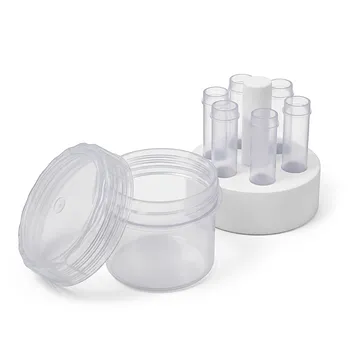
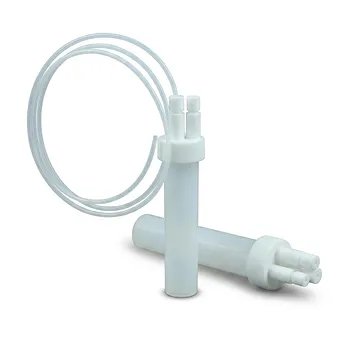
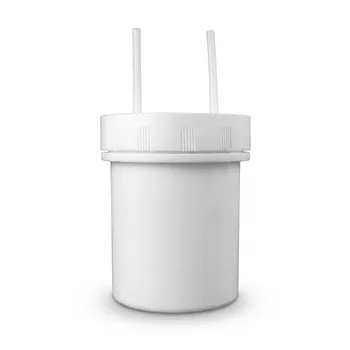
- High Purity Corrosion Resistant PFA Reaction Vessel with PTFE Holder and Integrated Sampling Tube for Trace Analysis
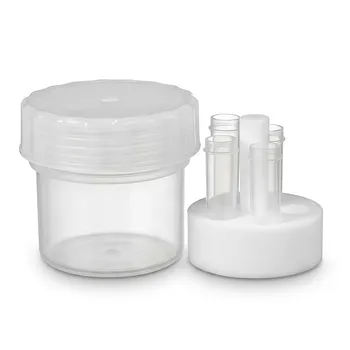
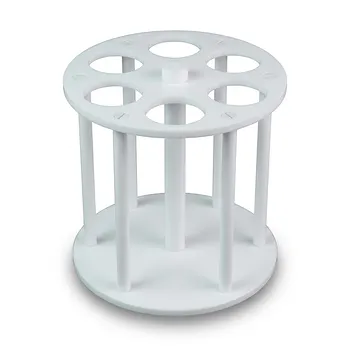
- Corrosion Resistant PTFE Support with PFA Transparent Reaction Tank and High Purity PFA Sampling Tube for Trace Analysis
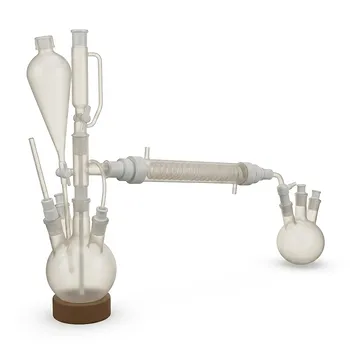
- PTFE Distillation Condensation Apparatus High Temperature Hydrofluoric Acid Resistant Fluorination Reaction Flask
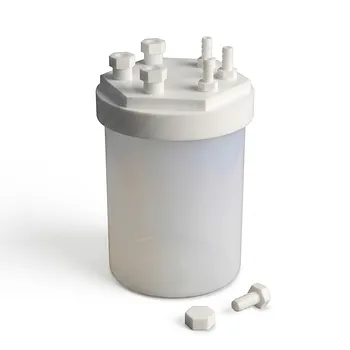
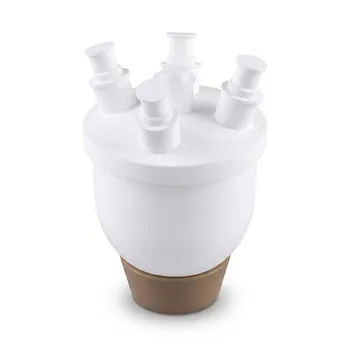
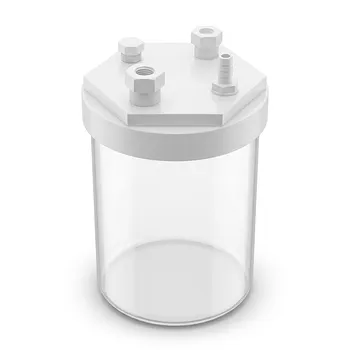
- PFA Chemical Reaction Tank with Customizable Fittings for Corrosive Solvent Synthesis and High Purity Lab Applications
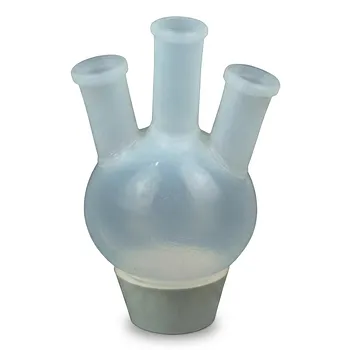
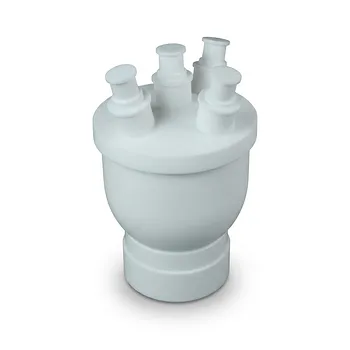
- Custom Corrosion Resistant PFA PTFE Multi Neck Laboratory Reaction Flask GL Standard Mouth Fluoropolymer Flasks
People Also Ask
- Why is the choice of reaction vessel material critical during B-NiBDC synthesis? Optimize MOF Purity & Performance
- How do the material choice and sealing integrity of the reaction vessel affect the growth of NiFe-LDH? Optimize Synthesis
- Why are well-sealed reaction vessels necessary for superacid-promoted Friedel-Crafts polycondensation? Optimize Synthesis
- Role of reaction vessels in alkali treatment for oil palm waste: Achieve High-Purity Cellulose with PTFE Vessels
- What is the role of high chemical inertness reaction vessels in the organic synthesis of acylhydrazone ligands? | Guide