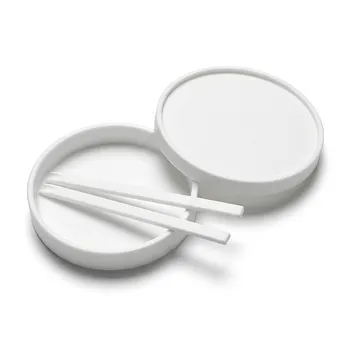
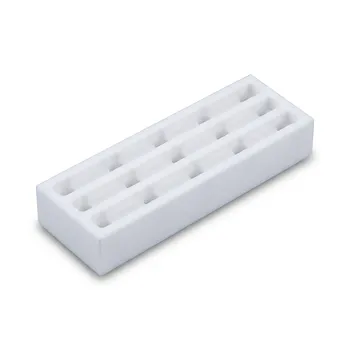
PTFE (Polytetrafluoroethylene) provides a unique combination of chemical inertness, high-voltage insulation, and structural stability that common plastics cannot match. In electrochemical testing, these properties ensure that the fixture does not react with aggressive electrolytes or introduce stray currents into sensitive measurements. By utilizing PTFE, researchers achieve higher data reproducibility and a significantly longer fixture lifespan in corrosive environments.
Core Takeaway: PTFE is the industry standard for electrochemical fixtures because its extreme chemical resistance and electrical insulation prevent contamination and signal noise, ensuring that the data collected reflects the true performance of the electrode rather than the degradation of the testing environment.
Superior Chemical and Thermal Integrity
Resistance to Aggressive Electrolytes
Common plastics like Nylon or PVC often degrade when exposed to the organic solvents and strong acids found in battery electrolytes. PTFE is chemically inert to almost all reagents, including hydrofluoric acid and strong alkalis that would etch or destroy glass and other polymers.
Prevention of Impurity Leaching
During long-term cycling tests, inferior materials can leach plasticizers or decomposition products into the electrolyte. PTFE’s high-purity molecular structure ensures that no foreign impurities are released, protecting catalyst activity and preventing interference with electrochemical reactions.
Thermal Stability in Extreme Environments
Electrochemical reactions often generate heat, or require testing at elevated temperatures to simulate real-world conditions. Unlike common plastics that soften or deform, PTFE maintains its structural integrity across a wide temperature range, ensuring the cell geometry remains constant.
Precision Engineering and Data Reliability
High-Precision CNC Machinability
While glass is fragile and molded plastics have loose tolerances, PTFE can be precision-machined via CNC to exacting specifications. This allows for the creation of non-standard configurations, ensuring exact electrode spacing and precise reaction volumes that are critical for repeatable results.
Eliminating Signal Interference
The exceptional dielectric strength and electrical insulation of PTFE are vital for capturing "clean" signals. By isolating the conductive elements of the test, PTFE fixtures eliminate background interference currents and stray capacitance that could otherwise skew sensitive voltammetry or impedance data.
Hydrophobicity and Gas Management
PTFE is naturally hydrophobic, which is a significant advantage in gas-evolution reactions like CO2 reduction. This property facilitates the stable transport of gas-liquid two-phase flows and prevents the "flooding" of fixtures, which ensures the accuracy of gas detection systems.
Understanding the Trade-offs
Mechanical Softness and "Cold Flow"
While PTFE is chemically superior, it is physically softer than engineering plastics like PEEK. Under high mechanical pressure, PTFE can exhibit "cold flow" or creep, meaning it may slowly deform over time if used as a primary structural load-bearing component without proper support.
Thermal Expansion Considerations
PTFE has a higher coefficient of thermal expansion than glass or specialized metals. In experiments with extreme temperature swings, designers must account for this expansion to ensure that sealing structures and electrode alignments remain secure and leak-free.
Cost and Material Hardness
High-purity PTFE is more expensive than commodity plastics and requires specialized machining expertise. Because it cannot be easily injection-molded for complex internal geometries, the production cost per unit is typically higher than mass-produced plastic housings.
How to Apply This to Your Project
When selecting a material for your electrochemical testing fixtures, consider the specific demands of your chemistry and the sensitivity of your data.
- If your primary focus is aggressive chemical environments (HF, strong alkalis): Use PTFE exclusively to prevent fixture degradation and ensure long-term stability.
- If your primary focus is high-sensitivity signal detection: Choose CNC-machined PTFE to minimize background noise and maintain precise electrode geometry.
- If your primary focus is high-pressure mechanical sealing: Consider a hybrid design using PTFE for wetted parts and a harder material like PEEK or stainless steel for external structural support.
By prioritizing PTFE in the critical "wetted" areas of your testing setup, you eliminate the fixture as a variable, allowing for total focus on the electrochemical performance of your materials.
Summary Table:
| Key Property | PTFE Performance | Benefit to Electrochemical Testing |
|---|---|---|
| Chemical Resistance | Virtually inert to all acids/bases | Prevents fixture degradation and electrolyte contamination. |
| Electrical Insulation | High dielectric strength | Eliminates background signal noise and stray currents. |
| Purity Level | High-purity molecular structure | No leaching of plasticizers, ensuring catalyst integrity. |
| Thermal Stability | Stable from -200°C to +260°C | Maintains constant cell geometry during exothermic reactions. |
| Surface Energy | Naturally hydrophobic | Optimized for gas-evolution reactions and liquid flow. |
| Machinability | Precision CNC compatible | Enables custom configurations and exact electrode spacing. |
Elevate Your Research Precision with KINTEK Fluoropolymer Solutions
Don't let inferior materials compromise your electrochemical data. At KINTEK, we maintain an exclusive focus on high-performance fluoropolymers to ensure your testing environment is as reliable as your research.
From everyday basic labware—including beakers, measuring cylinders, crucibles, reagent bottles, and digestion tubes—to specialized high-purity trace analysis instruments and cleaning tanks, we provide the foundation for excellence. Our expertise extends to comprehensive fluid transfer components (tubing, fittings, valves), sample prep tools (filters, pipettes, tweezers), and essential consumables (stirring bars, O-rings, gaskets).
For researchers pushing the boundaries of energy and chemistry, we offer advanced standard and custom electrochemical cells, battery testing fixtures, and microwave digestion vessels, all backed by our end-to-end custom CNC fabrication. Whether you need a single bespoke machined part or high-volume orders, KINTEK delivers the durability and purity of PTFE and PFA directly to your lab.
Ready to eliminate testing variables? Contact our experts today to discuss your custom project and discover how KINTEK can optimize your laboratory setup.
References
- Abdul Shakoor, Shahid Atiq. Synergistic Improvements in Ionic Conductivity, Diffusion Dynamics, and Transference Numbers for LaNiO<sub>3</sub>/MXene Supercapacitor Electrodes. DOI: 10.1002/batt.202500014
This article is also based on technical information from Kintek Knowledge Base .
Related Products
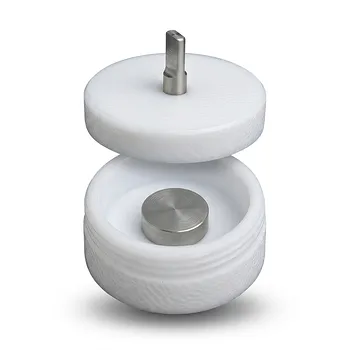
- Acid Resistant PTFE Button Cell Battery Test Fixture Customizable Machining High Purity Electrochemical Testing Clamp
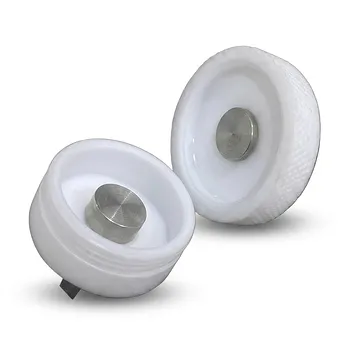
- Corrosion Resistant PTFE Coin Cell Battery Testing Clamps and Acid Proof Custom Fluoropolymer Battery Fixtures
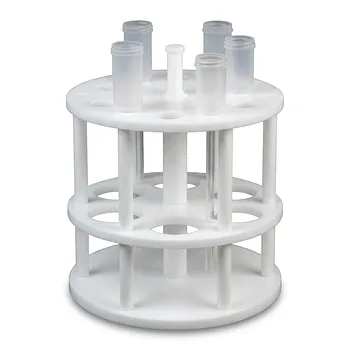
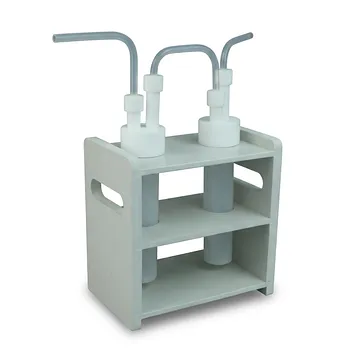
- Custom PFA Microcolumn Racks and PTFE Machined Low Background Corrosion Resistant Laboratory Fixtures
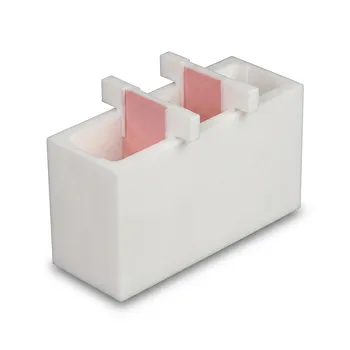
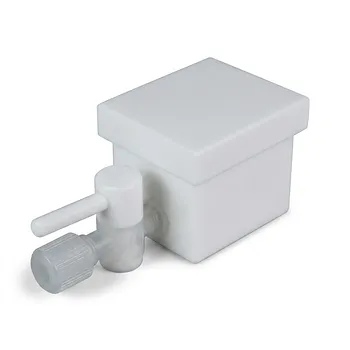
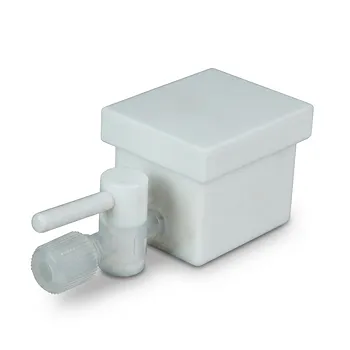
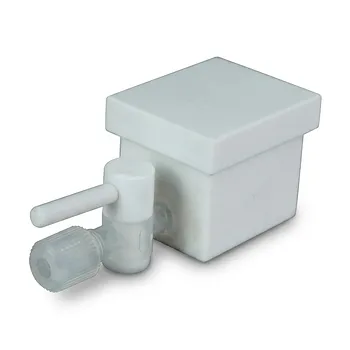
- Square PTFE Electrochemical Cell for Silicon Wafer Processing and Hydrofluoric Acid Resistance in Semiconductor and New Energy Research
- Custom PTFE Reaction Box Opaque White Square Electrochemical Cell Tank
People Also Ask
- How does the chemical inertness of PTFE benefit laboratory-scale battery testing? Ensure high-purity research results.
- In what ways do PTFE battery testing fixtures enhance laboratory throughput and reliability? Maximize Research Efficiency
- In what industrial manufacturing contexts are PTFE battery clamps or fixtures utilized? Optimize Battery Production.
- What is the thermal operating range for PTFE battery clamps in electrochemical research? Stability from -200°C to +260°C
- What are the primary functions and material compositions of PTFE battery clamps? Ensure Precision & Chemical Resistance