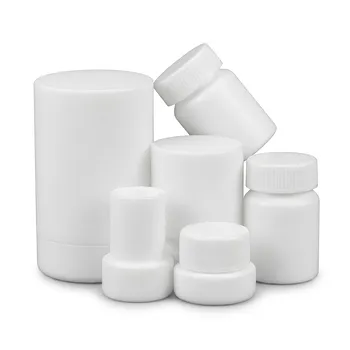
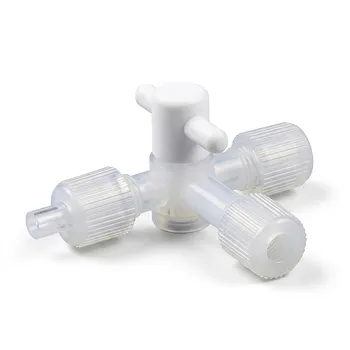
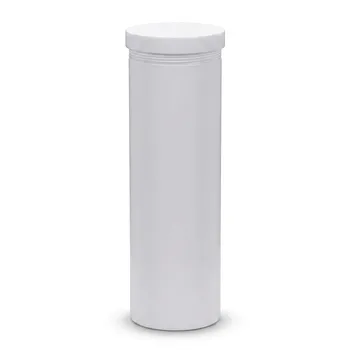
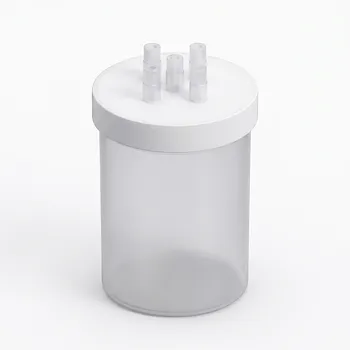
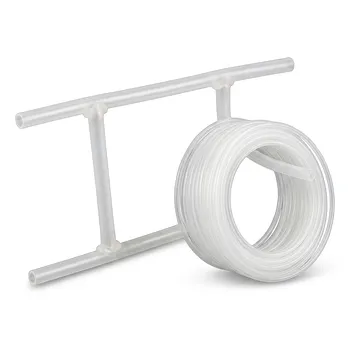
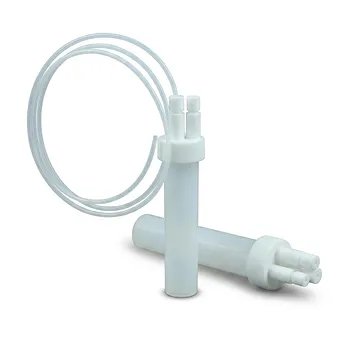
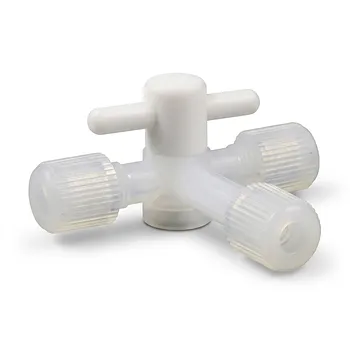
Phosphorus-containing segments improve thermal safety by making fluoropolymer components harder to ignite and less capable of sustaining intense combustion. Groups such as triaryl phosphine oxide can substantially reduce the peak heat release rate (pHRR), support self-extinguishing behavior, and maintain high thermal stability, with reported 5% mass-loss decomposition temperatures (Td,5%) up to approximately 490°C. For tubing, fittings, valves, seals, and storage tanks, this reduces the severity of fire exposure and helps preserve component integrity under high-temperature conditions.
Core takeaway: Phosphorus-containing groups complement the inherent chemical and thermal resistance of fluoropolymers by reducing combustion intensity and improving flame resistance. They enhance safety, but final component performance still depends on the complete polymer composition, geometry, processing, and service environment.
How Phosphorus Segments Improve Flame Retardancy
Lowering peak heat release
The most important effect is the reduction of pHRR, which measures the maximum rate at which heat is released during combustion.
A lower pHRR means that, if ignition occurs, the material releases heat less aggressively. This can reduce fire growth, limit thermal exposure to nearby equipment, and provide more time for isolation or emergency response.
Supporting self-extinguishing behavior
Phosphorus-containing segments can give the fluoropolymer a self-extinguishing or flame-resistant response rather than allowing combustion to continue readily after the ignition source is removed.
This is especially valuable for fluid-handling systems because tubing, valve bodies, seals, and tank walls may be exposed to localized ignition sources while containing flammable, oxidizing, or otherwise hazardous chemicals.
Improving safety through the polymer structure
When phosphorus groups are integrated into the polymer chain, flame-retardant functionality becomes part of the material itself rather than relying solely on a separately added additive.
This approach can help reduce concerns associated with additive migration or uneven distribution, although the actual benefit depends on the formulation and manufacturing process.
Why Thermal Stability Matters in Fluid Handling
Maintaining integrity at high temperature
A reported Td,5% of up to approximately 490°C indicates substantial resistance to early thermal decomposition under the specified test conditions.
This does not mean a component can operate continuously at 490°C. It means the material has a high decomposition threshold in that test, while the permissible service temperature must still be established from the complete formulation, mechanical requirements, pressure, chemical exposure, and design conditions.
Reducing the risk of heat-induced failure
Thermal degradation can cause loss of strength, embrittlement, deformation, leakage, or rupture. A thermally stable, flame-resistant fluoropolymer can help delay these failure modes during abnormal heat exposure.
For storage tanks and transfer components, that delay is important because structural failure may release hazardous contents and intensify the incident.
Complementing fluoropolymer chemical resistance
Fluoropolymers are selected for demanding applications because of their chemical inertness and resistance to aggressive environments. Phosphorus-containing segments add a fire-safety function without replacing the need to evaluate chemical compatibility.
The result is a more balanced material system: resistance to the process fluid must be combined with resistance to heat, ignition, pressure, and mechanical stress.
Selecting the Complete Fluoropolymer Formulation
Fluorine content and monomer ratio
The base monomer composition remains fundamental. Standard VDF/HFP copolymers, with approximately 66 wt.% fluorine, provide a balanced overall property profile.
Adding TFE can increase fluorine content to approximately 68–69.5 wt.%, improving heat resistance and resistance to aromatic solvents. These effects may be important when selecting components exposed to elevated temperatures or solvent-rich process streams.
Low-temperature and caustic-service requirements
PMVE-containing formulations can improve low-temperature performance, while TFE/propylene compositions substantially improve resistance to strong bases.
These characteristics must be considered alongside phosphorus-based flame retardancy. A material with excellent fire performance may still be unsuitable if it becomes too stiff at low temperature, swells in the process fluid, or lacks adequate resistance to a strong reagent.
Component-specific design
A tank wall, valve seal, gasket, and flexible tube do not experience identical stresses. The formulation must therefore be evaluated for the relevant combination of heat, pressure, flexing, chemical contact, and sealing force.
Fire performance should be treated as one part of a component qualification program, not as a substitute for mechanical and chemical testing.
Understanding the Trade-offs
Flame retardancy is not the same as unlimited heat resistance
A high decomposition temperature and lower pHRR indicate improved thermal and fire behavior, but they do not establish a continuous operating limit.
Designers must distinguish between decomposition onset, short-duration fire exposure, and long-term service temperature.
The polymer still needs application-specific validation
The final behavior can change with phosphorus concentration, molecular structure, fluorine content, monomer ratio, fillers, pigments, processing history, and component thickness.
Testing should therefore use the actual compound and, where possible, representative component geometry rather than relying only on data from a laboratory polymer sample.
Fire performance does not guarantee leak prevention
A flame-resistant material may reduce combustion intensity while still losing sealing force or dimensional stability under pressure or chemical exposure.
For fluid transfer and storage applications, flame testing must be combined with leakage, pressure, chemical compatibility, thermal aging, and mechanical integrity evaluations.
How to Apply This to Your Project
Phosphorus-containing fluoropolymer segments are most useful when fire exposure is a credible hazard and the component must retain chemical and thermal performance.
- If your primary focus is flame safety: Prioritize formulations containing integrated phosphorus groups and compare them using pHRR, self-extinguishing behavior, and representative fire-exposure testing.
- If your primary focus is high-temperature service: Use the reported Td,5% as a thermal-stability indicator, but establish the actual continuous and short-term operating limits separately.
- If your primary focus is chemical compatibility: Select fluorine content and monomer ratios for the specific solvent, base, or reagent before treating flame retardancy as a final optimization.
- If your primary focus is leak prevention: Validate seals, gaskets, tubing, valves, and tank structures under combined thermal, pressure, mechanical, and chemical conditions.
- If your primary focus is overall system safety: Choose the formulation that balances flame resistance, thermal stability, chemical inertness, flexibility, and structural integrity rather than maximizing one property alone.
The strongest safety strategy combines phosphorus-enhanced flame resistance with application-specific fluoropolymer selection and full component validation.
Summary Table:
| Aspect | Role of Phosphorus-Containing Segments |
|---|---|
| Peak Heat Release Rate (pHRR) | Reduced, lowering fire growth and heat exposure |
| Self-Extinguishing Behavior | Promoted, limiting sustained combustion |
| Thermal Stability (Td,5%) | High, up to ~490°C, delaying decomposition |
| Chemical Resistance | Complements inherent fluoropolymer inertness |
| Application | Enhances safety in tubing, valves, tanks, and seals |
Looking to enhance the fire safety of your fluoropolymer components? At KINTEK, we specialize in high-performance PTFE and PFA lab supplies, including custom fluid transfer components and storage tanks. Our phosphorus-enhanced materials offer superior flame resistance and thermal stability, ensuring safety in demanding applications. Whether you need standard or custom solutions, our end-to-end CNC machining capabilities deliver precisely what you need. Contact us today to discuss your requirements and discover how we can help you achieve optimal safety and performance.
Related Products
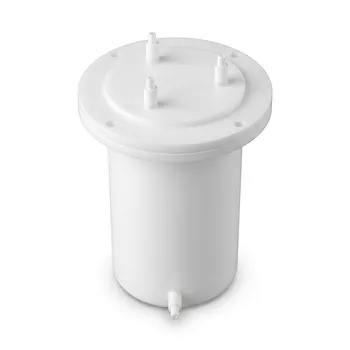
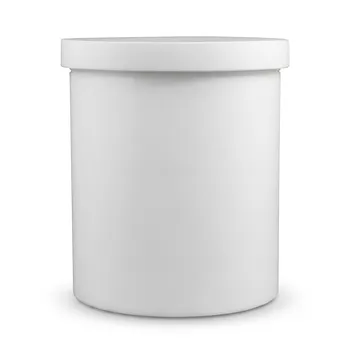
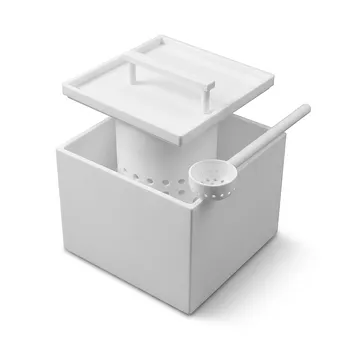
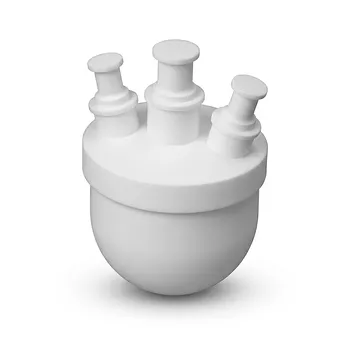
- High Purity Customizable PTFE Storage Tank Corrosion Resistant Chemical Reaction Vessel
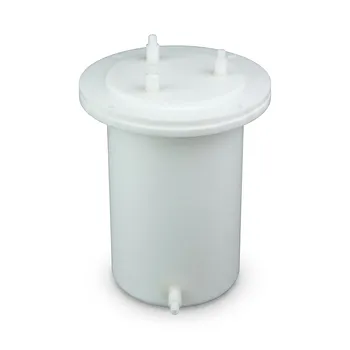
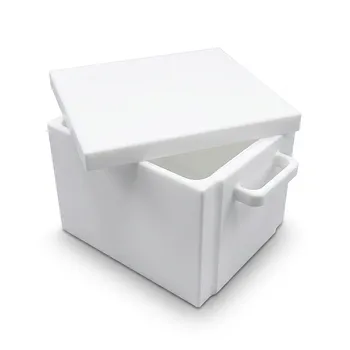
- Custom High Purity PTFE Storage Tank Corrosion Resistant Chemical Reaction Vessel Drum
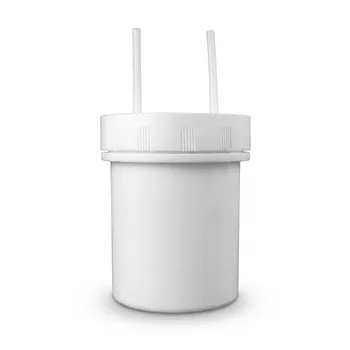
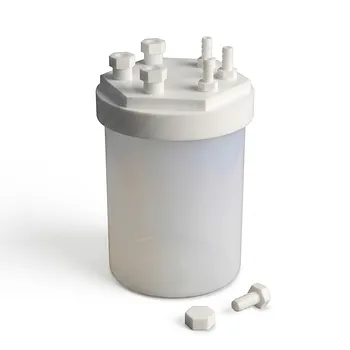
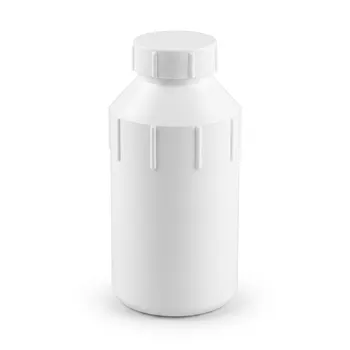
- High Purity Opaque White PTFE Chemical Storage Barrels and Customizable Fluoropolymer Reaction Sampling Vessels
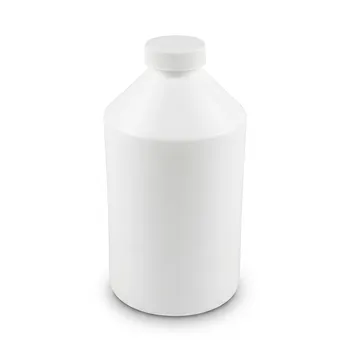
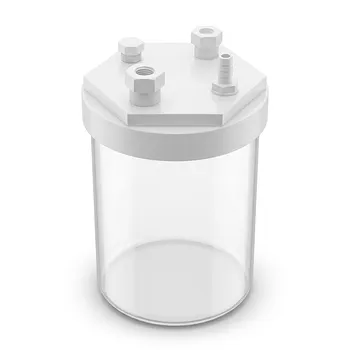
- Custom 5L Large Capacity PTFE Storage Tank Corrosion Resistant Leak Proof Reagent Bottle with Screw Cap
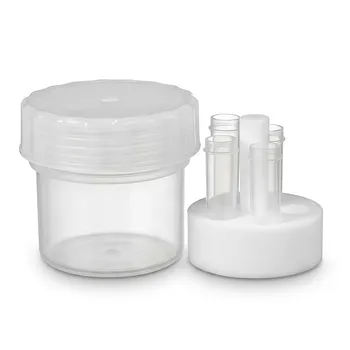
- Corrosion Resistant PTFE Small Reaction Bottle One Piece Molded Teflon Sample Storage Tank
People Also Ask
- How does thixotropic flow behavior affect liquid formulation storage in PTFE chemical storage tanks and containers? Maximize Stability with PTFE
- How do Polytetrafluoroethylene (PTFE) containers perform regarding gas permeation? Expert Insights on Solvent Absorption
- Why is PTFE used in chemical transport and storage systems? Unmatched Chemical & Thermal Resistance
- Why are PFA and PTFE fluoropolymers specifically chosen for chemical storage tanks, wafer carriers, and high-purity fluid transfer components? Discover their inertness and purity benefits.
- Why is surface treatment necessary for PTFE sheets used in tank linings? Ensuring a Secure and Reliable Bond