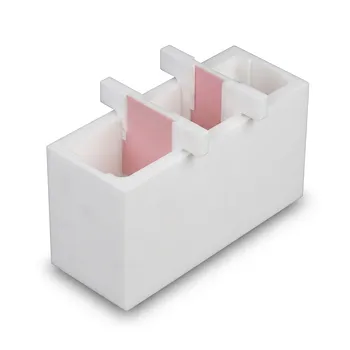
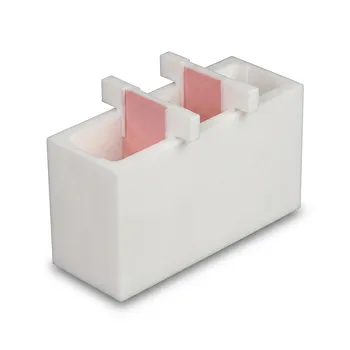
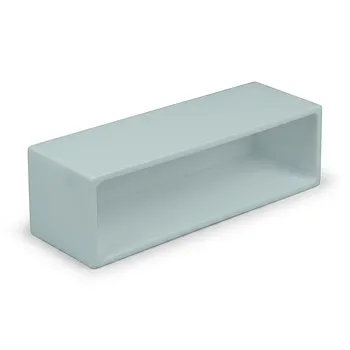
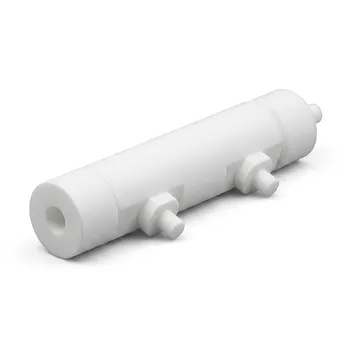
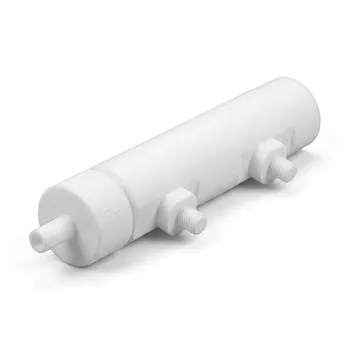
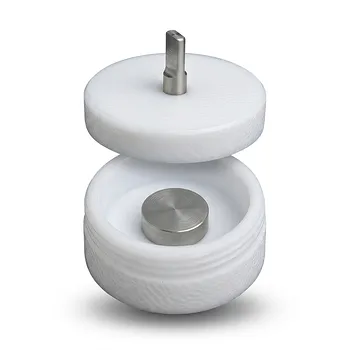
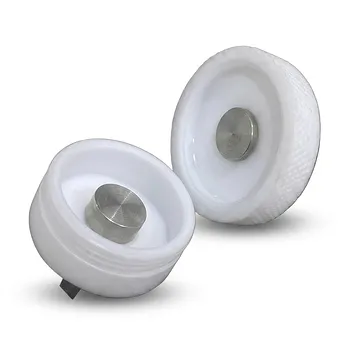
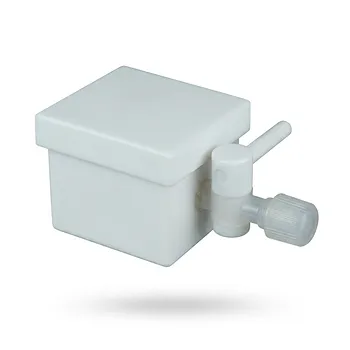
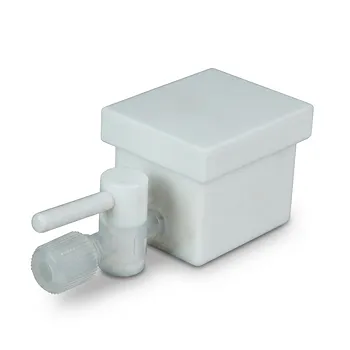
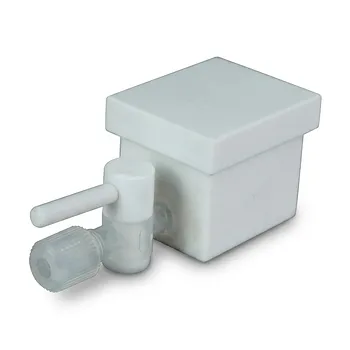
Electrochemical test cell containers are primarily constructed from chemically inert materials such as glass, PTFE (Polytetrafluoroethylene), PEEK (Polyether ether ketone), and PFA (Perfluoroalkoxy). These materials are selected because they are non-reactive with electrolytes and electrodes, ensuring that measured data accurately reflects the electrochemical processes of the active materials rather than side reactions with the vessel. Their ability to withstand aggressive chemical environments and temperature fluctuations makes them the industry standard for reliable testing.
The selection of cell materials is a critical factor in preventing experimental artifacts. By utilizing high-purity, corrosion-resistant polymers and glass, researchers can avoid chemical contamination and leaching that would otherwise compromise the integrity of the electrochemical measurements.
The Essential Role of Chemical Inertness
Preventing Contamination and Leaching
High-purity materials like PTFE and PFA are vital because they prevent the leaching of impurity ions into the electrolyte. This is especially critical in applications like PEM water electrolysis, where even trace impurities can poison sensitive nanocatalysts and skew results.
Using chemically neutral materials ensures that the collected performance data is derived exclusively from the active materials being tested. This isolation of variables is necessary for confirming the success of structural engineering or new material synthesis.
Resistance to Aggressive Media
Electrochemical cells often operate in highly corrosive environments, including strong acids, alkaline solutions, or chloride-containing media. Materials like glass and fluoropolymers offer exceptional resistance to these conditions, preventing the container from degrading during extended testing.
Without this resistance, the container could participate in oxidizing or reducing reactions. Such side reactions create data deviations that make it impossible to determine the true cycle life or catalytic efficiency of the sample.
Physical and Structural Requirements
Thermal Stability and Electrical Insulation
Fluoropolymers like PTFE and PFA provide excellent electrical insulation and dielectric properties. This prevents the cell body from interfering with the electric field distribution or causing short circuits between electrodes.
Furthermore, these materials maintain their dimensional stability across a wide temperature range, typically between 75°C and 85°C for specialized systems. This thermal stability ensures that seals remain tight and the cell volume remains constant throughout the experiment.
Mechanical Integrity and Sealing
Specialized cell designs often require CNC-machined components to house ports for gas purging, temperature sensors, and electrode insertion. Materials like PEEK and PTFE are preferred for these parts because they are easy to machine while remaining physically robust.
Structural components, such as fixed frames and fluid fittings, must also exhibit high fatigue resistance. These parts must resist deformation under repeated pressure changes to ensure the repeatability of experimental data over long-term operations.
Understanding the Trade-offs
Material Limitations and Cost
While glass is excellent for visual observation and is highly inert, it is fragile and cannot be easily machined into complex, pressurized internal geometries. Conversely, high-performance fluoropolymers like PFA are exceptionally durable and chemically resistant but come at a significantly higher material cost.
Machining vs. Transparency
PTFE is opaque, which prevents researchers from visually monitoring the physical changes of the electrodes or gas evolution during a reaction. If visual confirmation is required, a hybrid design using a glass vessel with a PTFE lid is often the necessary compromise.
How to Apply This to Your Project
Making the Right Choice for Your Research Goal
- If your primary focus is visual observation of gas evolution: Use borosilicate glass containers to allow for clear imaging and monitoring of the physical state of the electrodes.
- If your primary focus is high-temperature acidic electrolysis: Select high-purity PFA or PTFE to ensure the container does not leach ions that could poison your catalysts.
- If your primary focus is high-pressure testing or mechanical durability: Choose PEEK for structural components due to its superior mechanical strength and resistance to deformation under load.
- If your primary focus is general-purpose aqueous electrochemistry: Standard polypropylene or glass vessels provide a cost-effective balance of inertness and ease of use.
Choosing the correct material ensures that your electrochemical cell functions as a transparent window into the chemistry of your materials, rather than a participant in the reaction itself.
Summary Table:
| Material | Key Properties | Best Application |
|---|---|---|
| Borosilicate Glass | Transparent & Chemically Inert | Visual monitoring & general aqueous testing |
| PTFE | Non-reactive & Electrical Insulation | High-purity electrolysis & corrosive environments |
| PFA | High Purity & Heat Resistant | Trace analysis & high-temp acidic media |
| PEEK | Mechanical Strength & Machinable | High-pressure cells & structural components |
Achieve uncompromising accuracy in your experiments with KINTEK’s high-performance fluoropolymer expertise. We offer an extensive range of laboratory supplies, from basic PTFE and PFA labware—including beakers, crucibles, and reagent bottles—to specialized fluid transfer components, filtration tools, and general consumables like stirring bars and gaskets. For advanced research, KINTEK provides custom-engineered reaction apparatus such as electrochemical cells, battery testing fixtures, and microwave digestion vessels. Utilizing expert end-to-end CNC fabrication, we deliver both high-volume orders and bespoke, non-standard machined parts tailored to your unique requirements. Contact KINTEK today to secure the high-purity equipment your laboratory demands.
Related Products
- Corrosion Resistant PTFE Electrochemical Cell for New Energy Research Inert Insulating Customizable Lab Reaction Vessel
- Square PTFE Electrochemical Cell for Silicon Wafer Processing and Hydrofluoric Acid Resistance in Semiconductor and New Energy Research
- White PTFE Electrolytic Cell with Movable Slider and Insulated Lid for Fluorine Corrosion Resistance
- Custom PTFE Reaction Box Opaque White Square Electrochemical Cell Tank
- Custom PTFE Electrolytic Cell Corrosion Resistant Low Background Reaction Vessel with Inlet Outlet Ports
People Also Ask
- How do custom PTFE electrochemical cells improve the accuracy of stability testing for alkaline catalysts compared to glass cells?
- How does the hydrophobicity of PTFE benefit electrochemical measurements? Enhance Stability and Precision in Your Lab
- What makes PTFE an ideal construction material for custom electrochemical cells and electronic analytical instrumentation housings? Discover superior chemical resistance and electrical insulation
- Why must seawater electrolysis test cells have high corrosion resistance? Protect catalyst stability & data accuracy.
- What are the key steps for structural integrity in molded PTFE lab reaction vessels? Master fine powder processing.