Aqueous PTFE and PFA dispersions create thin, cured fluoropolymer barriers that protect fluid-handling and laboratory equipment from chemical attack, contamination, friction, and fluid retention. Their most important properties are exceptional chemical inertness, hydrophobic non-stick behavior, very low friction, thermal stability, and strong resistance to corrosion and cleaning chemicals. When properly applied and cured, they form smooth, continuous surfaces that help prevent analyte adhesion, reduce transport resistance, and protect the underlying substrate.
The central value of PTFE and PFA dispersion coatings is their ability to combine chemical protection with a clean, low-friction, non-wetting surface. This makes them suitable for high-purity laboratory vessels, tubing, valves, transfer components, and equipment exposed to aggressive fluids.
How the Coatings Protect Equipment
Resistance to Aggressive Chemicals
PTFE and PFA provide near-universal resistance to many acids, solvents, and aggressive reagents. This chemical inertness helps prevent the coating and the protected substrate from degrading during fluid transfer, digestion, synthesis, and chemical containment.
The result is a durable barrier between corrosive media and vulnerable metal or non-metallic equipment surfaces.
Protection Against Corrosion
A cured fluoropolymer layer reduces direct chemical contact with the underlying material. On metal equipment, this can limit corrosion caused by acids, solvents, and other reactive fluids.
Coating performance depends on film continuity, thickness, adhesion, and curing. Multi-coat systems using PTFE and PFA can improve barrier performance by reducing the effect of residual porosity in a pure PTFE layer.
Reduced Trace-Metal Contamination
Protective fluoropolymer surfaces can help isolate samples from metals in the equipment substrate. This is particularly important in trace analysis, where small quantities of leached or abraded material can affect measurement accuracy.
A properly prepared and cured coating supports high chemical purity by minimizing contact between the sample and the underlying construction material.
Surface Properties That Improve Fluid Handling
Hydrophobic and Non-Wetting Behavior
PTFE and PFA surfaces resist wetting and fluid retention. Fluids are less likely to spread across or remain attached to the coated surface, which helps reduce hold-up in vessels, tubing, valves, and transfer components.
This property also supports more complete draining and rinsing.
Non-Stick Performance
The low surface adhesion of cured fluoropolymers helps prevent analytes, reaction residues, and process materials from adhering strongly to equipment surfaces. This is useful for laboratory containers, digestion vessels, reaction equipment, and fluid-transfer hardware.
Reduced adhesion can simplify cleaning and lower the risk of carryover between samples or processes.
Very Low Friction
PTFE is recognized for its exceptionally low coefficient of friction and self-lubricating behavior. A low-friction surface can reduce resistance during fluid movement and decrease adhesion-related interference in components exposed to flowing or moving materials.
This is especially relevant to tubing, valves, pumps, fittings, and other equipment where surface friction affects handling or cleaning.
Smooth, Non-Porous Surface Formation
During curing, the fine fluoropolymer particles coalesce into a smooth protective film. When the coating is properly formulated, applied, and sintered, the resulting surface can be continuous and highly resistant to fluid penetration.
The coating's smoothness also supports easier cleaning and reduces sites where residues can accumulate.
Properties That Support Laboratory Reliability
Broad Temperature Capability
PTFE and PFA have exceptionally high melting points and remain useful across broad operating temperature ranges. This allows coated equipment to tolerate demanding heating, chemical processing, and cleaning conditions.
The actual service limit depends on the coating formulation, substrate, film construction, and exposure conditions. A multi-layer system described in the reference can support continuous service temperatures up to approximately 290°C (550°F).
Electrical Insulation
Both fluoropolymers provide strong dielectric properties and high dielectric strength. This can be valuable in electrochemical cells, electrically sensitive laboratory assemblies, and equipment where the coating must electrically isolate the substrate.
Electrical performance is maintained only when the film remains properly bonded and free from damage or unacceptable defects.
Flame Resistance
Fluoropolymers offer high flame resistance, and the supplementary reference identifies a Limiting Oxygen Index of 95%. This characteristic can add a degree of fire-performance value in equipment exposed to elevated temperatures or combustible laboratory chemicals.
Fire behavior still depends on the complete coating system, substrate, thickness, and operating environment.
Low Contamination Potential
The chemically inert, non-wetting surface helps limit fluid absorption, adhesion, and interaction with the equipment. This supports low-contamination handling in trace analysis and other applications where sample integrity matters.
The coating should be treated as a contamination-control measure, not an automatic guarantee of zero leaching. Cleaning, curing quality, coating damage, and the compatibility of the complete system remain important.
Why Dispersion Characteristics Matter
Sub-Micron Particle Size
Aqueous dispersions suspend sub-micron fluoropolymer particles in a liquid phase. PTFE particle sizes commonly fall in the approximate range of 0.12 to 0.30 micrometers, supporting uniform wetting and thin-film formation.
Particle size influences coating uniformity, surface smoothness, and how effectively the particles coalesce during curing.
Solids Content
Aqueous PTFE dispersions may contain roughly 24% to 61% polymer solids by weight, with many standard formulations in the 55% to 60% range. Higher solids content can support thicker films with fewer application passes.
Solids content must be balanced with viscosity, wetting, application method, and the risk of defects during drying and curing.
Viscosity and pH
Viscosity affects sprayability, leveling, film thickness, and coating uniformity. Typical PTFE dispersion viscosities cited in the reference are approximately 15 to 25 mPa·s, with basic pH levels commonly around 8.5 to above 9.0.
These variables are formulation and process controls rather than end-use properties, but they directly influence whether the final protective layer is uniform and defect-free.
Critical Cracking Thickness
Critical cracking thickness identifies the maximum single-coat thickness that can be applied before mud-cracking occurs. The reference gives a range of approximately 12 to 28 micrometers for aqueous PTFE dispersions.
A higher critical cracking thickness, combined with suitable solids content, can make it easier to build thicker crack-free protective barriers on chemical containers and equipment.
PTFE and PFA Serve Different Equipment Needs
PTFE for Machined and Heavy-Duty Components
PTFE is non-melt-processible by conventional methods and is commonly formed into stock shapes for precision machining. This makes it suitable for custom reaction vessels, microwave digestion components, and electrochemical cell bodies.
In dispersion coatings, PTFE contributes low friction, non-stick behavior, and strong chemical resistance.
PFA for Complex Fluid-Transfer Parts
PFA is a melt-processible perfluorinated resin that can be molded or extruded into complex components. It is therefore well suited to flexible tubing, specialized fittings, valves, and seamless trace-analysis vessels.
PFA can also be used with PTFE in coating systems where improved sealing and abrasion resistance are required.
Combining PTFE and PFA
A primer, midcoat, and topcoat system can combine the properties of both fluoropolymers. PFA can help seal porosity associated with pure PTFE coatings, while the layered construction can improve chemical barrier performance and continuous abrasion resistance.
Adhesion promoters such as polyphenylene sulfide or polyamide-imide may improve bonding between the primer and a metal substrate.
Understanding the Trade-offs
Coating Quality Determines Protection
Chemical resistance alone does not guarantee reliable equipment protection. Poor surface preparation, inadequate adhesion, uneven thickness, incomplete curing, or mechanical damage can create pathways for corrosion and contamination.
The substrate and the complete coating system must be selected together.
Thicker Is Not Always Better
Increasing film thickness can improve barrier protection, but applying too much material in one coat can cause mud-cracking. Controlled solids content, viscosity, application thickness, and staged curing are necessary for a sound film.
Multi-coat construction is often more reliable than attempting to create one excessively thick layer.
Pure PTFE Can Retain Some Porosity
Pure PTFE coatings may retain slight porosity after curing. For severe chemical exposure or demanding abrasion conditions, a PTFE/PFA multi-coat system can provide a more effective barrier than PTFE alone.
This adds formulation and processing complexity, and the final performance depends on the quality of each layer.
Service Conditions Still Matter
PTFE and PFA are highly resistant materials, but no coating is immune to every combination of temperature, chemical exposure, abrasion, mechanical impact, and substrate movement. Compatibility should be evaluated against the actual fluid, concentration, temperature, pressure, cleaning cycle, and expected service life.
How to Apply This to Your Project
The right property depends on the equipment's main failure mode and contamination risk.
- If your primary focus is chemical corrosion protection: Select a properly cured, continuous coating system with suitable thickness and, where necessary, a PTFE/PFA multi-coat barrier.
- If your primary focus is sample purity: Prioritize chemically inert, non-wetting surfaces with controlled curing and verified low contamination or leaching performance.
- If your primary focus is easier cleaning: Choose a smooth, hydrophobic, non-stick surface that minimizes analyte adhesion and fluid retention.
- If your primary focus is fluid-transfer efficiency: Use the fluoropolymer's low-friction characteristics to reduce surface resistance in tubing, valves, pumps, and fittings.
- If your primary focus is high-temperature service: Evaluate the full coating and substrate system against the actual operating temperature, with attention to continuous rather than short-term exposure.
- If your primary focus is durable metal protection: Control surface preparation, primer adhesion, film thickness, curing, and abrasion resistance rather than relying on polymer chemistry alone.
For fluid-handling and laboratory equipment, PTFE and PFA coatings provide their greatest value when chemical inertness, cleanability, low friction, and substrate protection are treated as one integrated performance requirement.
Summary Table:
| Property | Benefit |
|---|---|
| Chemical Inertness | Resists acids, solvents, and reagents, protecting substrates from degradation |
| Hydrophobic Non-Stick | Prevents fluid retention and analyte adhesion, simplifying cleaning |
| Low Friction | Reduces resistance in fluid handling and cleaning |
| Thermal Stability | Withstands high temperatures up to 290°C (550°F) |
| Corrosion Protection | Shields metal equipment from corrosive attacks |
| Smooth Surface | Minimizes residue buildup and supports high purity |
| Electrical Insulation | Provides dielectric strength for electrochemical applications |
| Flame Resistance | High limiting oxygen index (95%) enhances safety |
Enhance your lab's performance with KINTEK's PTFE and PFA coatings. Our fluoropolymer solutions deliver unmatched chemical resistance, non-stick surfaces, and low friction for superior equipment protection. Whether you need standard labware, custom CNC-machined parts, or high-purity components, our expertise ensures reliability. Contact us today to discuss your requirements and experience the KINTEK advantage. Get in touch!
Related Products
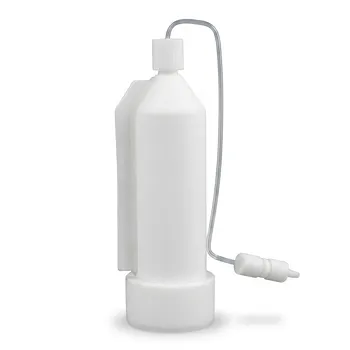
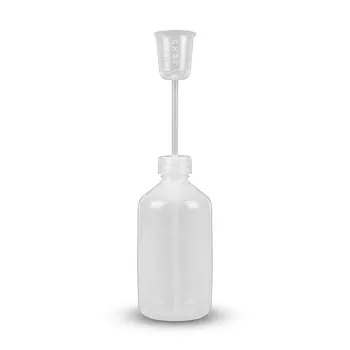
- Custom PTFE Dissolution Bottle 50ml with PFA Ultra Fine Tubing Corrosion Resistant No Leaching
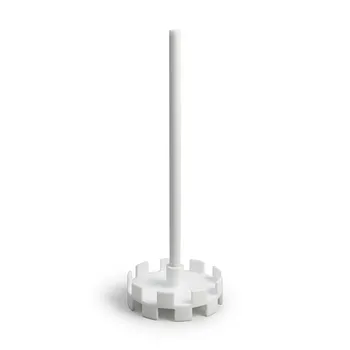
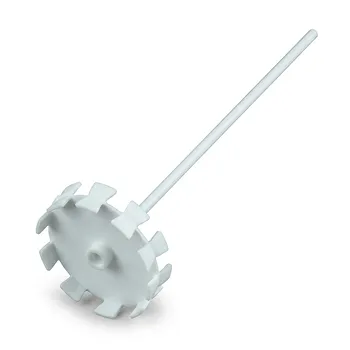
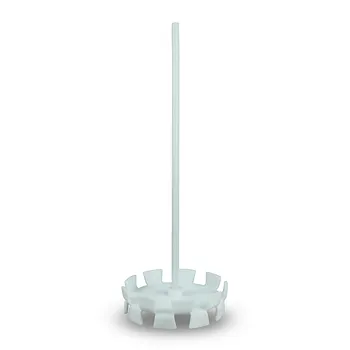
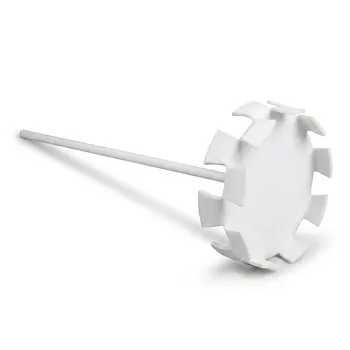
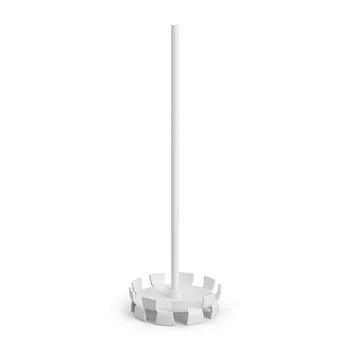
- Corrosion Resistant PTFE Stirring Impeller and Customizable Polytetrafluoroethylene Dispersion Disk
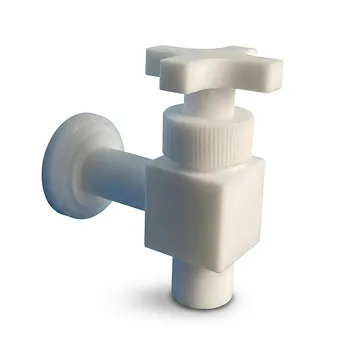
- Corrosion Resistant PTFE Polytetrafluoroethylene Valve and Customizable Laboratory Fluid Dispensing Faucet for Aggressive Chemical Handling in Industrial Storage Tanks and Plastic Drums
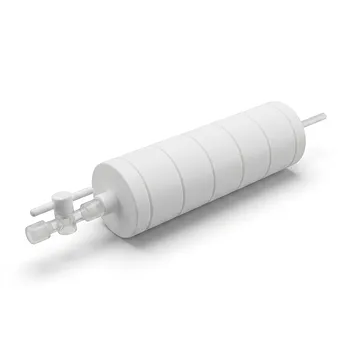
- Custom PTFE Constant Pressure Separatory Funnel Corrosion Resistant Low Background Labware for PFA Flasks
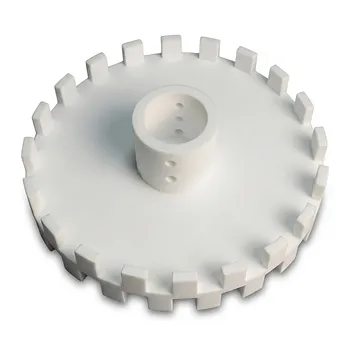
- High Purity Corrosion Resistant PTFE Dispersion Disk and Inert Stirring Paddle for Food Pharmaceutical and Cosmetic Mixing
People Also Ask
- What are the temperature limits for the PTFE bottle? Ensure Safety from -200°C to 260°C
- What are the advantages of the PTFE bottle's non-stick surface? Ensure Purity and Efficiency in Your Lab
- What makes the PTFE bottle durable? Unmatched Chemical & Thermal Stability for Demanding Applications
- What are the key applications of the PTFE bottle? Ensure Chemical Safety and Sample Purity
- How does the PTFE bottle perform in terms of chemical resistance? Unmatched Protection for Harsh Chemicals