Amorphous fluoropolymers are well suited to high-performance laboratory and fluid handling applications because they combine chemical inertness, thermal and oxidative stability, low moisture uptake, optical clarity, and exceptionally stable electrical properties. Their dielectric constants are typically very low—about 1.87 to 2.2—and remain largely unaffected by humidity or exposure to aggressive chemicals. These properties help components preserve sample purity, dimensional reliability, and measurement consistency in trace analysis and specialized fluid systems.
The central advantage is property stability: amorphous fluoropolymers resist chemical and thermal attack while maintaining low moisture absorption, optical transparency, and predictable dielectric behavior. That combination is valuable when contamination, fluid compatibility, or signal stability cannot be compromised.
Why Amorphous Fluoropolymers Perform Reliably
Exceptional chemical resistance
The fluorinated polymer structure provides strong resistance to aggressive reagents, corrosive media, and many organic solvents. As a result, tubing, vessels, valves, seals, and other components are less likely to degrade or introduce extractable contaminants into sensitive samples.
This resistance is particularly important in trace analysis, chemical digestion, reagent storage, and high-purity fluid transfer, where even minor material interactions can affect results.
Thermal and oxidative stability
Amorphous fluoropolymers maintain useful performance across demanding temperature conditions and resist oxidative degradation. They are therefore suitable for laboratory processes involving elevated temperatures, repeated chemical exposure, or prolonged service.
Thermal stability also helps reduce embrittlement, deformation, and contamination caused by material breakdown. The actual operating temperature must still be established for the specific polymer grade and component design.
Low moisture absorption
Low moisture uptake limits changes in mass, dimensions, dielectric behavior, and surface condition when humidity varies. This is important because moisture can influence both analytical accuracy and the consistency of fluid handling components.
For critical laboratory equipment, resistance to humidity-related property changes provides a more stable operating baseline than moisture-sensitive materials.
Properties That Protect Samples and Fluids
Low surface energy and non-stick behavior
Amorphous fluoropolymers have very low surface energy, producing low adhesion and non-stick behavior. Samples, reagents, and residues are less likely to cling to vessel walls, tubing, or valves.
This can improve fluid recovery, simplify cleaning, and reduce carryover between samples. It is especially useful where trace contamination or loss of a small sample volume matters.
Low friction and wear resistance
Fluoropolymer surfaces generally exhibit very low friction. In fluid handling systems, this can support smooth movement in valves, seals, and sliding interfaces while reducing adhesion-related failures.
Their tribological performance also contributes to durability, although wear resistance depends on the specific grade, load, mating material, temperature, and operating environment.
Broad resistance to environmental degradation
The same chemical stability that protects against reagents also helps components withstand corrosive or otherwise aggressive service environments. This supports longer service life in specialized laboratory and industrial fluid systems.
However, environmental resistance should be evaluated against the actual chemicals, concentrations, temperatures, pressure, and exposure time rather than assumed from the material family alone.
Why Electrical and Optical Properties Matter
Extremely low dielectric constant
Amorphous fluoropolymers typically have dielectric constants between 1.87 and 2.2, among the lowest values available for polymeric materials. Their electrical properties are also relatively insensitive to humidity and chemical exposure.
This makes them useful in laboratory systems that combine fluid handling with sensors, analytical instrumentation, signal transmission, or electrical insulation. Stable dielectric behavior helps reduce changes in measurement performance caused by environmental conditions.
High optical clarity
Many amorphous fluoropolymers provide high optical transparency compared with opaque or semi-crystalline fluoropolymer materials. This allows visual inspection of fluid flow, bubbles, particles, phase changes, or sample condition.
Optical clarity is valuable in transparent tubing, vessels, observation windows, and analytical components where direct monitoring improves process control.
Low contamination potential
Chemical inertness, low surface adhesion, and resistance to degradation work together to reduce contamination risks. The material is less likely to react with a sample, release degradation products, or retain residues on its surface.
This does not eliminate the need for cleaning, qualification, or extractables and leachables testing. It means the material offers a strong starting point for high-purity system design.
Understanding the Trade-offs
Chemical resistance is not universal
Fluoropolymers are highly resistant to many aggressive chemicals, but no polymer is compatible with every reagent under every condition. Temperature, concentration, pressure, exposure time, and mechanical stress can change performance.
Material compatibility should therefore be verified using supplier data and application-specific testing, particularly for unusual solvents, reactive species, or high-temperature service.
Mechanical performance requires application-level evaluation
Amorphous fluoropolymers can provide excellent chemical and optical performance, but their mechanical properties may not match those of reinforced engineering plastics or metals in every application. Component geometry, pressure, creep, sealing load, and thermal cycling must be considered.
A chemically compatible resin may still be unsuitable for a highly loaded valve, pressurized line, or precision seal if the design does not control deformation.
Permeation and processing may matter
Low surface energy can make bonding, printing, coating, and adhesive attachment more difficult. Fluoropolymer components may also require specialized fabrication methods.
For fluid systems, designers should additionally evaluate permeability, especially when handling volatile compounds, gases, or fluids whose concentration must remain tightly controlled.
Cost and sourcing can be higher
Specialized amorphous fluoropolymer grades and fabrication processes may cost more than conventional plastics. That premium is justified when chemical purity, optical monitoring, dielectric stability, or long-term reliability is critical—not necessarily for routine, low-demand applications.
Choosing the Material for the Application
The best selection depends on the interaction between the polymer’s properties and the system’s actual operating conditions.
- If your primary focus is chemical compatibility: Prioritize fluoropolymer grades with verified resistance to the specific reagents, solvents, temperatures, and exposure times involved.
- If your primary focus is trace analysis and sample purity: Select a low-adhesion, chemically inert material and validate cleaning, extractables, leachables, and carryover performance.
- If your primary focus is optical monitoring: Choose an amorphous grade that provides the required transparency while confirming that temperature and chemical exposure will not cause haze or degradation.
- If your primary focus is electrical or analytical stability: Use the low dielectric constant and low moisture absorption to maintain predictable performance, but verify the properties across the intended humidity and chemical conditions.
- If your primary focus is long service life: Evaluate friction, wear, creep, pressure, thermal cycling, and component geometry in addition to chemical resistance.
Amorphous fluoropolymers are most valuable when their stable chemical, thermal, optical, moisture, and electrical properties directly address the risks of contamination, degradation, or measurement variability.
Summary Table:
| Property | Typical Value/Behavior | Benefit in Lab/Fluid Handling |
|---|---|---|
| Chemical resistance | Resists aggressive reagents & solvents | Prevents contamination, ensures sample purity |
| Thermal stability | Maintains performance at elevated temps | Suitable for high-temp processes |
| Low moisture absorption | Minimal water uptake | Stable dimensions & dielectric behavior |
| Dielectric constant | 1.87–2.2, stable | Reliable electrical insulation & signal integrity |
| Optical clarity | High transparency | Visual inspection of fluids and samples |
| Surface energy | Low, non-stick | Easy cleaning, reduces carryover |
| Friction | Low friction coefficient | Smooth valve operation, reduced wear |
Looking for high-purity PTFE/PFA components that deliver the stable performance of amorphous fluoropolymers? KINTEK specializes in custom CNC-machined parts, labware, and fluid systems designed for your exact specifications. From trace-analysis instruments to complex fluid transfer setups, our fluoropolymer expertise ensures reliability, purity, and durability. Contact us today to discuss your unique requirements and get a tailored solution—get in touch with KINTEK!
Related Products
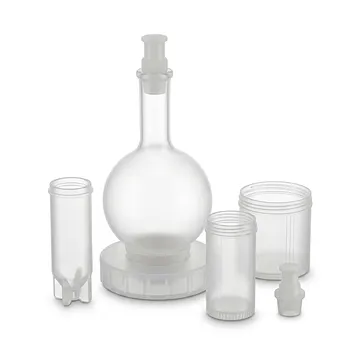
- High Purity PFA Chromatography Columns and Collection Bottles Corrosion Resistant Fluoropolymer Filtration Systems for Trace Analysis
- High Purity PFA Chromatography Column with Collection Bottle Corrosion Resistant Fluoropolymer Filtration System for Trace Analysis
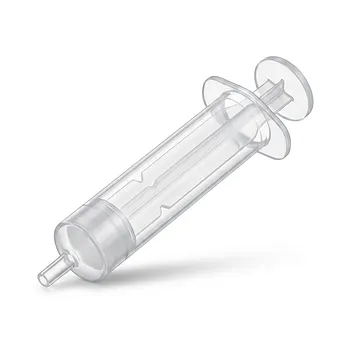
- Corrosion Resistant PFA Syringe Translucent Visual Fluoropolymer Labware 10ml Chemical Handling Tool
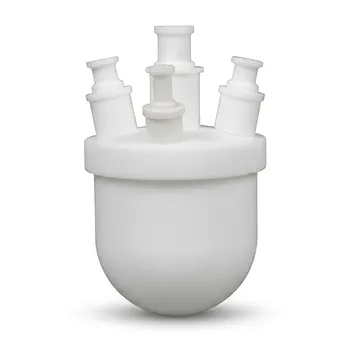
- Custom PTFE Flask 250ml High Purity Fluoropolymer Laboratory Vessel for Chemical Research
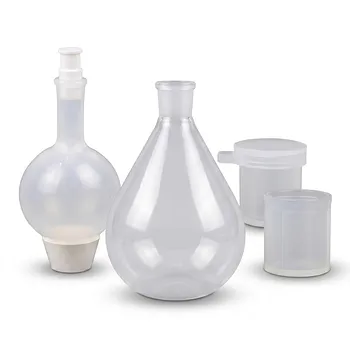
- Custom PFA Pear Shaped Flask High Purity Corrosion Resistant Labware Custom Molded Fluoropolymer Flask Glass Replacement Solution
People Also Ask
- Why use high-purity PFA bottles for Carbon Quantum Dots? Ensure Ink Stability and Prevent Fluorescence Quenching
- Why is PFA often selected over traditional PTFE for manufacturing complex fluoropolymer fluid components, custom fittings, and sealed laboratory digestion vessels? Discover the key advantages for your lab.
- What are the primary functional and temperature differences between PFA and FEP when selecting melt-processible fluoropolymers for custom laboratory apparatus?
- Why is the chemical stability of polymer endgroups critical when selecting melt-processible fluoropolymers like PFA for high-purity laboratory apparatus? Choose Stable Endgroups for Reliable Performance
- What are the characteristics of PFA material? A Guide to Its High-Performance Balance