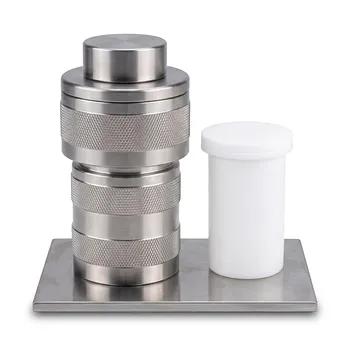
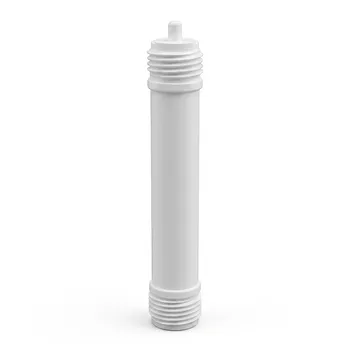
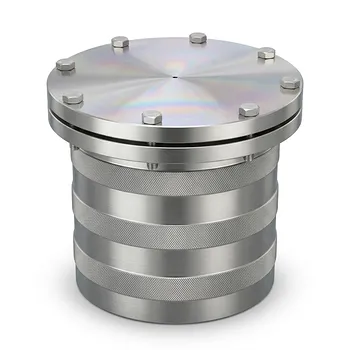
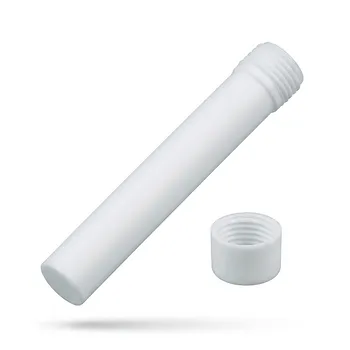
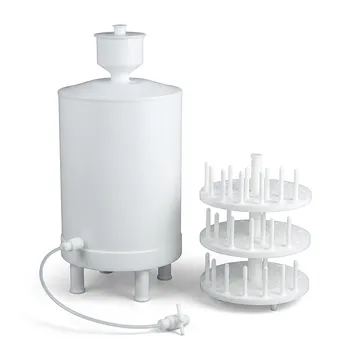
High-pressure hydrothermal autoclaves and inert liners are the fundamental tools for achieving high-performance magnesium alloy coatings. These systems provide the extreme thermal and barometric energy required to transform chemical precursors into dense, crystalline films. Without the chemical protection of high-purity PTFE or PFA liners, the resulting coatings would suffer from metal contamination and structural defects.
The hydrothermal process creates a high-energy environment that drives crystal growth directly onto the magnesium substrate. The use of high-purity liners is essential to prevent corrosive precursors from attacking the reactor walls and to ensure the chemical purity of the synthesized microstructure.
The Role of High-Pressure Autoclaves in Synthesis
Driving Film Formation and Crystal Growth
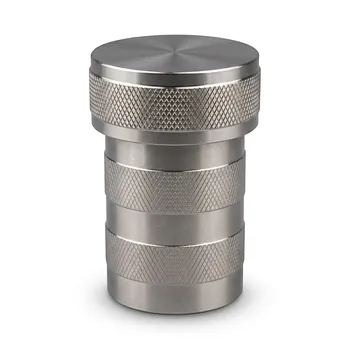
Hydrothermal autoclaves create a closed, high-temperature environment that far exceeds the boiling point of the solvents used. This increased energy is necessary for the self-assembly of chemical precursors onto the magnesium alloy surface.
The pressure generated within the vessel facilitates the growth of specialized structures, such as vertically aligned nanosheets or spherical microstructures. These features are critical for developing superhydrophobic properties and high specific surface areas.
Maintaining a Stable Physicochemical Environment
The closed nature of the autoclave prevents the loss of volatile components and maintains a constant concentration of reactants. This stability is vital for the controllable growth of nanocrystals and porous materials.
By providing a consistent pressure and temperature profile, the autoclave ensures that the coating develops a uniform and dense morphology. This uniformity is the primary factor in determining the coating’s long-term corrosion resistance.
The Critical Necessity of PTFE and PFA Liners
Chemical Inertness in Aggressive Media
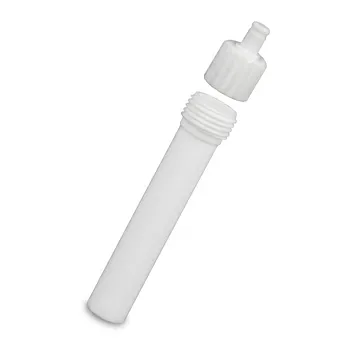
Magnesium alloy coating processes often involve strongly alkaline or oxidizing solutions that would rapidly corrode standard stainless steel. High-purity PTFE (Polytetrafluoroethylene) and PFA (Perfluoroalkoxy) liners act as a chemical barrier that protects the autoclave body.
These polymers are selected for their exceptional chemical resistance, allowing them to remain stable at temperatures up to 260°C. They ensure the reaction vessel remains structurally sound while containing harsh chemical precursors.
Eliminating Metal Ion Contamination
If precursors were to contact the metal walls of the reactor, metal ions like iron or chromium could leach into the reaction solution. Such impurities interfere with crystal growth and degrade the performance of Magnesium-Aluminum Layered Double Hydroxide (LDH) samples.
High-purity liners provide physical isolation, ensuring that the resulting coating is chemically pure. This purity is essential for achieving the specific microscopic morphology required for advanced industrial applications.
Improving Adhesion and Recovery
The non-stick surface of PTFE and PFA liners prevents synthesized materials from adhering to the container walls. This facilitates the efficient recovery of powders and ensures that the film growth is focused entirely on the magnesium substrate.
The result is a coating with a strongly adherent microstructure. Proper liner selection directly influences how well the protective layer bonds to the magnesium alloy, preventing delamination under stress.
Understanding the Trade-offs
Temperature and Pressure Limitations
While PTFE and PFA are highly resilient, they have finite thermal limits, typically around 220°C to 260°C for safe operation. Exceeding these temperatures can lead to liner deformation or the release of toxic fluorinated vapors.
Seal Integrity and Maintenance
The effectiveness of the hydrothermal process depends on the sealing properties of the liner's "cap" or "O-ring" interface. Any minor scratch or deformation on the liner's sealing surface can lead to pressure loss, which halts crystal growth and may damage the autoclave threads.
Cost vs. Purity Requirements
High-purity, virgin-grade PTFE is significantly more expensive than recycled or lower-grade alternatives. However, using lower-grade liners introduces the risk of organic outgassing, which can act as a surfactant and unintentionally alter the morphology of the magnesium coating.
Applying These Components to Your Project
Recommendations for Implementation
- If your primary focus is coating purity: Always opt for high-purity, virgin PTFE liners to prevent trace metal leaching from the autoclave body.
- If your primary focus is complex morphology (e.g., nanosheets): Prioritize the sealing integrity of the liner to ensure high internal pressures are maintained throughout the reaction.
- If your primary focus is high-temperature synthesis (above 200°C): Consider PFA liners over PTFE, as they often offer better dimensional stability and lower gas permeability at elevated temperatures.
- If your primary focus is reactor longevity: Implement a strict inspection protocol for liners to ensure no corrosive media bypasses the polymer barrier and reaches the stainless steel shell.
The precise synergy between high-pressure containment and chemical isolation is what enables the transition from simple chemical solutions to advanced, high-performance magnesium alloy protections.
Summary Table:
| Component | Role in Coating Synthesis | Material Advantage |
|---|---|---|
| Hydrothermal Autoclave | Provides high thermal/barometric energy | Drives crystal growth and self-assembly of precursors |
| PTFE/PFA Liners | Acts as a chemical & physical barrier | Prevents metal ion leaching and reactor corrosion |
| Sealing System | Maintains internal pressure | Ensures uniform density and specialized morphology |
| Non-stick Surface | Facilitates sample recovery | Improves adhesion and focuses growth on the substrate |
Elevate Your Synthesis with KINTEK’s High-Performance Fluoropolymers
Precision in magnesium alloy coating synthesis requires zero-contamination environments. KINTEK provides the ultimate protection for your research with our exclusive focus on high-performance PTFE and PFA materials. Whether you are performing high-pressure hydrothermal synthesis or complex fluid transfers, we deliver the chemical inertness your lab demands.
Our extensive range includes:
- Basic Labware: Beakers, crucibles, reagent bottles, and centrifuge tubes.
- Synthesis Tools: High-purity hydrothermal liners, microwave digestion vessels, and custom-machined reactor components.
- Fluid & Filtration: Tubing, fittings, valves, and high-purity filtration tools.
- Advanced Apparatus: Custom electrochemical cells, battery testing fixtures, and microchannel reactors.
Backed by end-to-end custom CNC fabrication, KINTEK is equipped to deliver everything from high-volume standard consumables (O-rings, gaskets, seal tapes) to bespoke laboratory setups designed for your specific application.
Ensure the purity of your next discovery—Contact KINTEK today to discuss your custom project.
References
- Zainab Sabah Abbas, Xi Liu. Innovative Fabrication Techniques of Superhydrophobic Coatings for Corrosion Protection of Magnesium Alloy (AZ31): A Review. DOI: 10.51173/jt.v7i3.2699
This article is also based on technical information from Kintek Knowledge Base .
Related Products
- PTFE Lined High Pressure Digestion Vessel 50ml High Temperature Hydrothermal Synthesis Tank
- High Purity PTFE Microwave Digestion Vessel for Soil and Food Analysis Acid Resistant Fluoropolymer Sample Preparation Liners
- Custom TFM Reaction Vessel with Stainless Steel Jacket and PTFE Inner Cup for High Corrosion Resistance
- High Purity TFM Microwave Digestion Vessels PTFE Acid Evaporation Liners Domestic GT-400 Equivalent Laboratory Reaction Containers
- High Purity PTFE PFA Plastic Crucible for Corrosion Resistant Acid Digestion and Trace Analysis
People Also Ask
- What are the benefits of using a PTFE-lined vessel for carbon-sulfur cathode treatment? Maximize Purity & Performance
- Why are PTFE-lined pressure digestion vessels required for the preparation of Ag/CeO2 catalysts? Purity & Performance
- What is the function of high-pressure PTFE digestion vessels in mineral analysis? Optimize Sample Mineralization
- What safety features are typically incorporated into high-pressure PTFE digestion vessel designs? Ensure Lab Safety
- What is the function of PTFE lined high-pressure vessels in g-C3N4 synthesis? Achieve High-Purity Material Growth