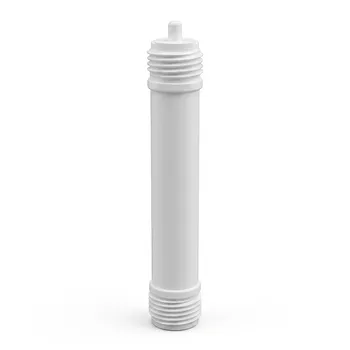
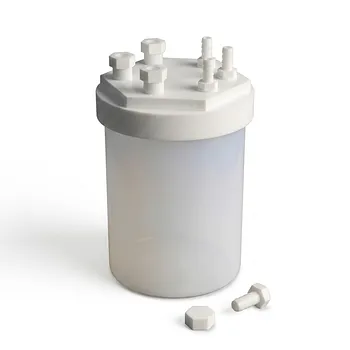
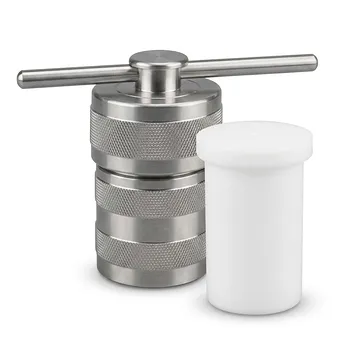
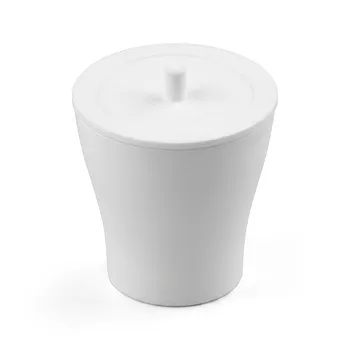
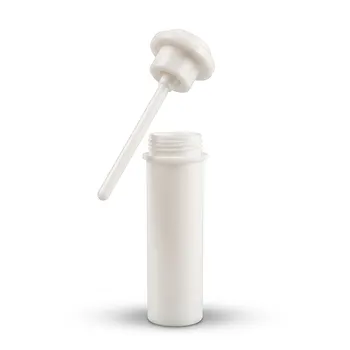
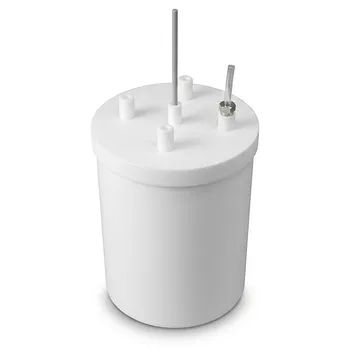
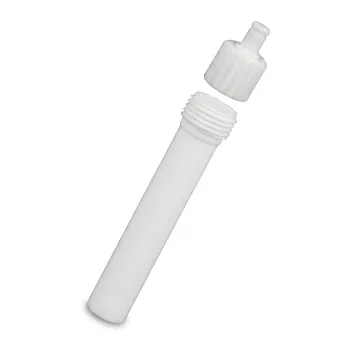
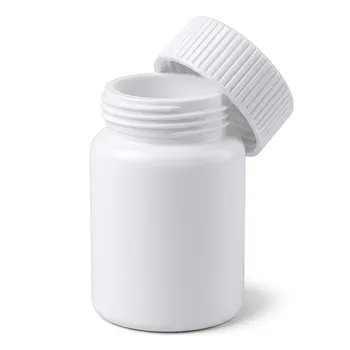
The synthesis of high-performance cerium oxide (CeO2) relies on the precise synergy between mechanical pressure and chemical inertness provided by lined digestion tanks. These vessels facilitate a hydrothermal environment where high temperatures and internal pressures drive the oriented growth of precursors. By manipulating reaction parameters within this closed system, researchers can dictate the final morphology of the nanoparticles—transforming them into nanocubes, nanorods, or octahedrons.
Core Takeaway: Stainless steel high-pressure digestion tanks provide the mechanical framework to sustain hydrothermal conditions, while high-purity fluoropolymer liners (PTFE/PFA) ensure a chemically inert environment. This combination is essential for controlling the crystallographic orientation of cerium oxide while preventing metallic contamination from the reactor walls.
The Hydrothermal Synthesis Environment
Achieving Oriented Crystal Growth
The primary role of the digestion tank is to create a sealed, high-temperature, and high-pressure environment. These conditions are necessary to force cerium precursors to grow along specific crystallographic directions.
By maintaining a stable hydrothermal state, the reactor allows the material to develop dominated by specific crystal facets, such as the (110), (100), and (111) planes. This orientation is critical because the surface reactivity of cerium oxide changes significantly depending on which facet is exposed.
Precise Morphological Control
The ability to adjust reaction temperature and duration within these tanks allows for precise morphological evolution. Depending on the settings, the same precursor can be shaped into nanocubes, nanorods, or octahedrons.
This level of control is achieved by balancing the concentration of mineralizers, like sodium hydroxide, with the thermal energy provided by the reactor. The closed system prevents the loss of volatile components, ensuring the chemical stoichiometry remains constant throughout the process.
The Critical Role of the Fluoropolymer Liner
Protection Against Corrosive Media
Cerium oxide synthesis often involves highly alkaline environments, frequently utilizing high concentrations of sodium hydroxide (NaOH) or phosphate solutions. These reagents are extremely corrosive to standard metals and would quickly degrade a bare stainless steel vessel.
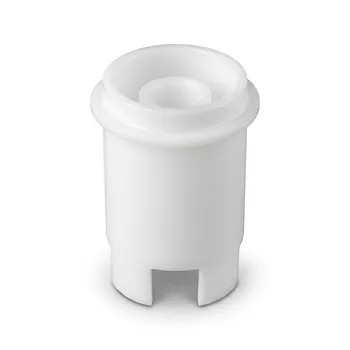
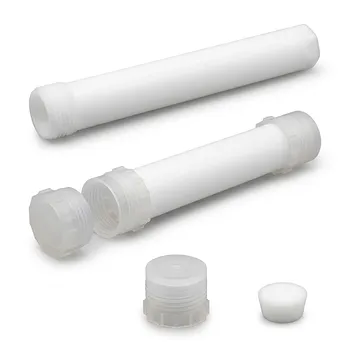
The high-purity fluoropolymer liner (typically PTFE or PFA) acts as a sacrificial barrier that is chemically inert. It protects the outer stainless steel jacket from corrosion, ensuring the structural integrity and longevity of the laboratory equipment.
Preservation of Material Purity
In nanomaterial synthesis, even trace amounts of metal ions can poison the catalyst or alter the electronic properties of the crystal. The liner prevents the reaction media from leaching chromium, nickel, or iron from the steel reactor body.
Furthermore, the non-stick surface of materials like PTFE facilitates the efficient recovery of synthesized powders. This ensures that the final cerium oxide product maintains high purity and consistent particle size distribution without contamination from previous batches.
Understanding the Trade-offs and Limitations
Thermal and Pressure Constraints
While fluoropolymer liners offer excellent chemical resistance, they have distinct thermal limitations. PTFE, for example, begins to soften and lose structural integrity as it approaches 250°C, which can lead to "creeping" or deformation under high pressure.
Users must also be wary of the heating and cooling rates. Rapid temperature changes can cause the liner and the steel jacket to expand or contract at different rates, potentially leading to leaks or trapped gases between the liner and the vessel wall.
Mechanical Stress and Sealing
The stainless steel jacket provides the necessary mechanical support to reach pressures typically between 7 and 12.5 MPa. However, if the seal is not perfectly maintained, volatile elements can escape, or the internal pressure can drop, ruining the morphological control of the cerium oxide.
Over time, liners can become porous or stained after repeated exposure to aggressive mineralizers. This requires regular inspection and replacement to ensure that the "high-purity" environment is not compromised by residual precursors from prior experiments.
How to Apply This to Your Synthesis Goals
When selecting or operating a high-pressure digestion tank for cerium oxide synthesis, your choice should be dictated by your specific material requirements.
- If your primary focus is precise morphology (e.g., nanorods): Prioritize a reactor with highly accurate temperature control and a thick PTFE liner to ensure stable, long-duration hydrothermal growth.
- If your primary focus is extreme chemical purity: Use high-purity PFA liners, which often have lower trace-metal backgrounds than standard PTFE and offer better resistance to "memory effects" from previous samples.
- If your primary focus is high-throughput synthesis: Select vessels with a reliable quick-seal mechanism to shorten the time between batches while ensuring the safety of volatile element containment.
The successful synthesis of cerium oxide nanocrystals is ultimately a balance between the brute force of high-pressure physics and the delicate chemical isolation provided by advanced fluoropolymers.
Summary Table:
| Component/Feature | Role in CeO2 Synthesis | Benefit for Researchers |
|---|---|---|
| Stainless Steel Shell | Provides mechanical support for 7-12.5 MPa pressure | Enables hydrothermal growth environment |
| PTFE/PFA Liner | Creates a chemically inert sacrificial barrier | Prevents metallic contamination (Fe, Ni, Cr) |
| Thermal Stability | Maintains steady temps (up to 250°C) | Controls crystal facets like (110) and (100) |
| Sealed System | Maintains constant chemical stoichiometry | Precise control over nanocubes and nanorods |
| Non-stick Surface | High-purity fluoropolymer interface | Facilitates easy powder recovery and reuse |
Elevate Your Synthesis with KINTEK’s Fluoropolymer Expertise
Precision in cerium oxide synthesis demands equipment that can withstand the "brute force" of high pressure while maintaining absolute chemical purity. KINTEK specializes in high-performance laboratory supplies crafted exclusively from PTFE and PFA, ensuring your hydrothermal processes remain free from metallic contamination.
From everyday basic labware (beakers, crucibles, reagent bottles) and fluid transfer components (tubing, valves) to advanced custom-machined digestion vessels and electrochemical cells, we provide the tools necessary for high-stakes research. Backed by end-to-end custom CNC fabrication, KINTEK can deliver everything from bespoke laboratory setups to high-volume orders tailored to your specific morphological requirements.
Ready to optimize your lab’s efficiency and material purity?
Contact KINTEK Today to discuss your project requirements or request a quote for our standard and custom fluoropolymer solutions.
References
- Zelun Zhao, Xue Wang. Electrochemical CO<sub>2</sub>-to-CO <i>via</i> enriched oxygen vacancies at gold/ceria interfaces. DOI: 10.1039/d4ta03768e
This article is also based on technical information from Kintek Knowledge Base .
Related Products
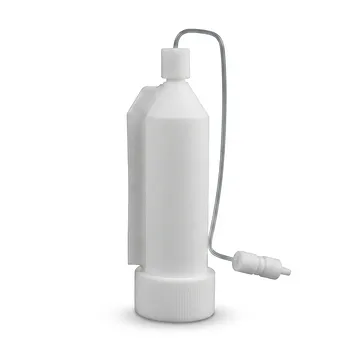
- High Purity PTFE Microwave Digestion Vessel for Soil and Food Analysis Acid Resistant Fluoropolymer Sample Preparation Liners
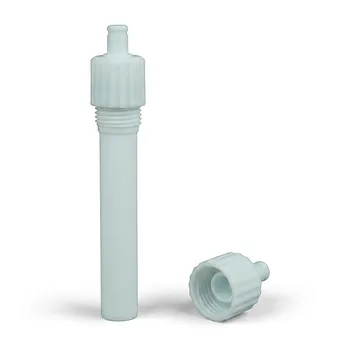
- PFA Chemical Reaction Tank with Customizable Fittings for Corrosive Solvent Synthesis and High Purity Lab Applications
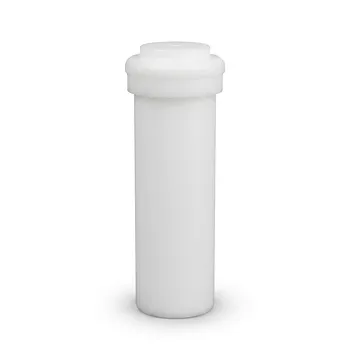
- 5ml High Pressure PTFE Digestion Vessel for Geological Mineral Analysis Corrosion Resistant Polytetrafluoroethylene TFM Digestion Inner Liner
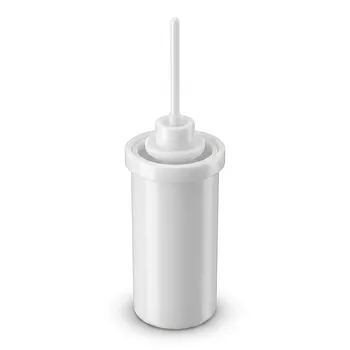
- PTFE Lined High Pressure Digestion Vessel 50ml High Temperature Hydrothermal Synthesis Tank
- High Purity Custom PTFE Square Tank Semiconductor Soaking Cleaning Acid Cylinder Corrosion Resistant Fluoropolymer Filtration Tank
People Also Ask
- Why is PTFE preferred for microwave-assisted Ln-MOF synthesis? Key Benefits for Purity & Speed
- How does the dielectric property of PTFE benefit microwave-assisted digestion? Unlock Rapid and Uniform Sample Heating
- What are the advantages of using microwave digestion vessels? Optimize EG@MO synthesis with superior thermal control.
- What are the advantages of using microwave digestion vessels for environmental analysis? Boost speed and sample accuracy.
- What safety features are commonly integrated into microwave digestion vessels? Ensuring High-Pressure Laboratory Safety