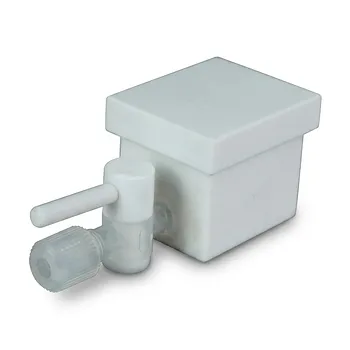
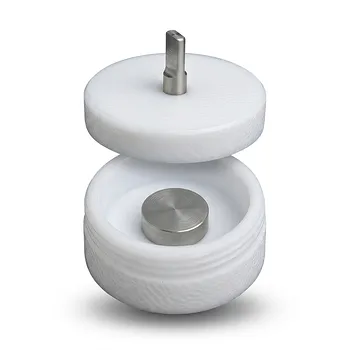
The two-electrode electrolytic cell system is the primary method for evaluating the practical viability of catalysts in real-world water-splitting applications. Unlike three-electrode setups used for fundamental research, the two-electrode configuration measures the total cell voltage required to drive both the hydrogen and oxygen evolution reactions simultaneously. This approach allows researchers to simulate industrial conditions and calculate the true energy conversion efficiency of a system.
The core purpose of a two-electrode system is to transition from studying individual half-reactions to evaluating the comprehensive performance of a full electrochemical cell. It provides the definitive metric for how much energy is actually required to produce hydrogen and oxygen at scale.
Simulating Industrial Realities
Mimicking Real-World Electrolyzers
In an industrial setting, water splitting occurs in a cell with two electrodes working in tandem. By using a two-electrode setup, researchers can apply a bifunctional catalyst—such as Ni3S2@MoO3@Co3O4@AMO/NF—to both the anode and the cathode. This symmetry allows for a direct assessment of how a single material handles the distinct stresses of both oxygen and hydrogen production.
Measuring Practical Current Densities
Industrial applications require high production rates, often measured at current densities like 100 mA cm⁻². The two-electrode system is essential for determining if a catalyst can sustain these high rates without excessive energy loss. This measurement is the "gold standard" for determining if a laboratory discovery has any commercial potential.
Comprehensive Performance Evaluation
Determining Total Cell Voltage
The primary metric obtained from this system is the cell voltage, which represents the sum of the overpotentials of both electrodes plus the ohmic resistance of the electrolyte. This single value tells an engineer exactly how much electrical "pressure" is needed to split water molecules. It is the most direct indicator of the system's energy conversion efficiency.
Assessing Morphological Stability
Water splitting is a violent process that can physically degrade catalyst surfaces over time. A two-electrode system allows for the observation of long-term stability under continuous operation. This ensures the catalyst remains effective and maintains its structural integrity throughout the duration of a performance test.
Safety and Gas Management
Preventing Product Cross-Mixing
In advanced setups like the H-type double-chamber cell, a membrane is used to separate the anode and cathode compartments. This prevents the hydrogen and oxygen gases from mixing, which is critical for maintaining product purity. Separating the gases also prevents the formation of explosive mixtures, ensuring experimental safety.
Facilitating Ion Transport
While the membrane isolates the gases, it still allows for ion transport to complete the electrical circuit. This setup mimics the function of commercial proton or anion exchange membrane electrolyzers. It allows for a more accurate assessment of how the catalyst performs when physical barriers are present in the system.
Understanding the Trade-offs
Loss of Individual Electrode Detail
The main drawback of the two-electrode system is the lack of a reference electrode. This means you cannot easily distinguish which electrode (anode or cathode) is responsible for a drop in performance or a spike in overpotential. It provides a "total" view but sacrifices the granular detail found in three-electrode studies.
Impact of Internal Resistance
In a two-electrode setup, the distance between the electrodes and the conductivity of the electrolyte significantly impact the results. If the cell is not designed correctly, ohmic resistance (iR drop) can overshadow the actual catalytic performance. Researchers must be diligent in compensating for these factors to ensure the data reflects the catalyst's true capability.
How to Apply This to Your Project
Selecting the Right Evaluation Metric
When moving from fundamental discovery to application testing, your choice of setup defines your results.
- If your primary focus is mechanistic insight: Stick to a three-electrode setup to isolate the behavior of a single catalytic surface against a reference.
- If your primary focus is industrial scalability: Transition to a two-electrode system to measure the total cell voltage and verify the catalyst's durability at high current densities.
- If your primary focus is high-purity hydrogen production: Utilize an H-type cell with an exchange membrane to prevent gas crossover and ensure safety.
The two-electrode system serves as the definitive bridge between laboratory curiosity and a functional, energy-efficient technology.
Summary Table:
| Feature | Two-Electrode System | Three-Electrode System |
|---|---|---|
| Primary Focus | Practical viability & industrial simulation | Fundamental mechanistic research |
| Measurement | Total cell voltage (V_cell) | Individual electrode overpotential |
| Reference Electrode | Not used | Required (e.g., Ag/AgCl, SCE) |
| Key Metric | Overall energy conversion efficiency | Half-reaction catalytic activity |
| Industrial Mimicry | High - simulates real electrolyzers | Low - isolates single surfaces |
Optimize Your Water Splitting Research with KINTEK
Transitioning from fundamental research to industrial-scale application requires high-performance, chemical-resistant equipment. KINTEK specializes in manufacturing a comprehensive range of laboratory supplies crafted from high-purity PTFE and PFA, specifically designed for harsh electrochemical environments.
Whether you are conducting performance tests with advanced electrochemical cells, battery testing fixtures, or high-purity trace analysis, we provide the precision tools you need. Our catalog spans from everyday labware (beakers, reagent bottles, and centrifuge tubes) and fluid transfer components (tubing, fittings, valves) to bespoke custom-machined CNC parts and reaction apparatus like hydrothermal synthesis liners and microwave digestion vessels.
Ensure the integrity of your results with materials that withstand the rigors of long-term stability testing. Contact us today to discuss your custom laboratory setup or high-volume order!
References
- Jiabang Liang, Liangjuan Gao. Ni3S2@MoO3@Co3O4@AMO/NF core–shell heterostructure for high performance alkaline overall water splitting. DOI: 10.1186/s11671-025-04283-x
This article is also based on technical information from Kintek Knowledge Base .
Related Products
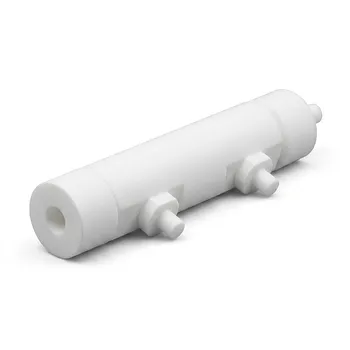
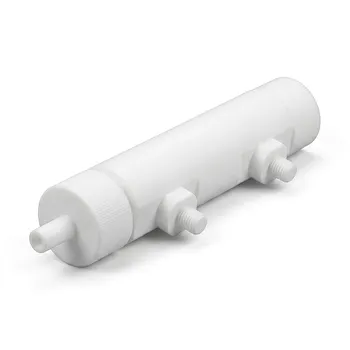
- Custom PTFE Electrolytic Cell Corrosion Resistant Low Background Reaction Vessel with Inlet Outlet Ports
- White PTFE Electrolytic Cell with Movable Slider and Insulated Lid for Fluorine Corrosion Resistance
- Custom PTFE Corrosion Resistant Insulating Electrophoresis Reaction Cell with Septum and Valves for Low Background Trace Analysis
- High Purity Custom PTFE Reaction Cell Electrolytic Tank for Semiconductor and Polysilicon Industrial Applications
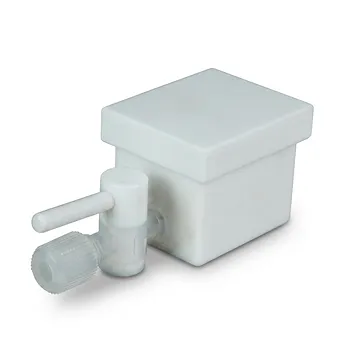
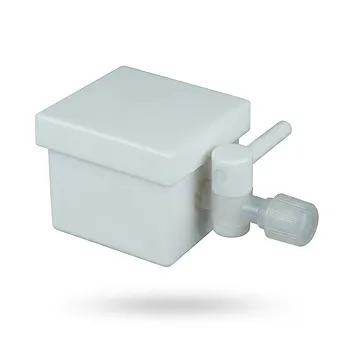
- Square PTFE Electrochemical Cell for Silicon Wafer Processing and Hydrofluoric Acid Resistance in Semiconductor and New Energy Research
People Also Ask
- Why are high-purity PTFE or PFA reaction vessels recommended for the synthesis of PANI-TiC hybrid materials? - Guide
- Why is a high-quality PTFE reaction vessel required for the etching preparation of Ti3C2Tx MXene? Ensure Pure Synthesis.
- What reaction vessel and fluid handling considerations are necessary for living cationic polymerization of fluorinated monomers involving Lewis acid catalysts? Key design and safety tips
- Why is a PTFE reaction vessel required for Ti3C2Tx MXene synthesis? Ensure Safe HF Etching & High Purity
- Why are fluoroplastic (PTFE) reaction vessels recommended for Methylene Blue (MB) adsorption kinetic experiments?