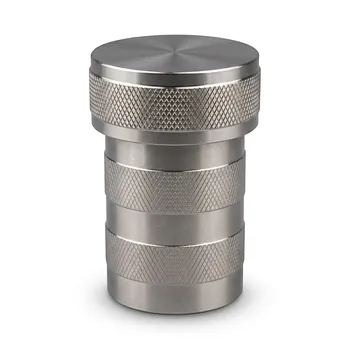
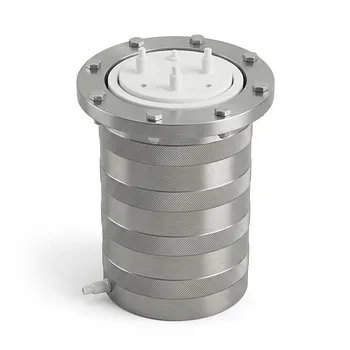
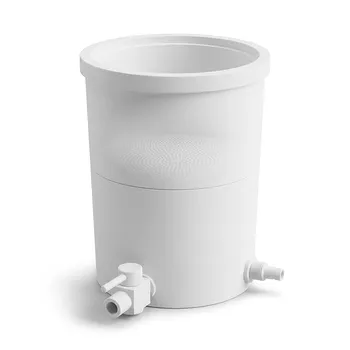
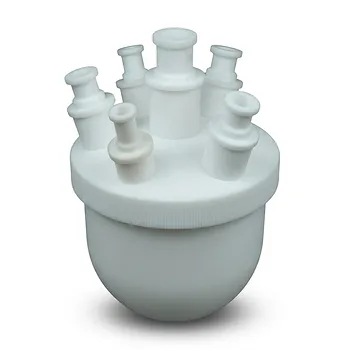
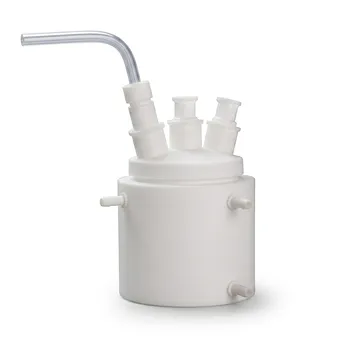
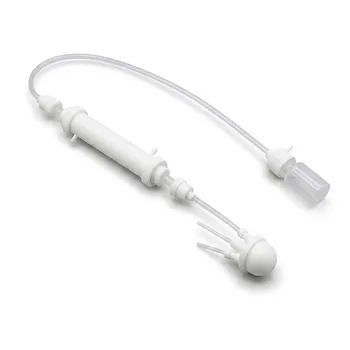
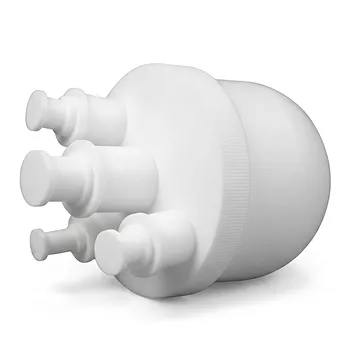
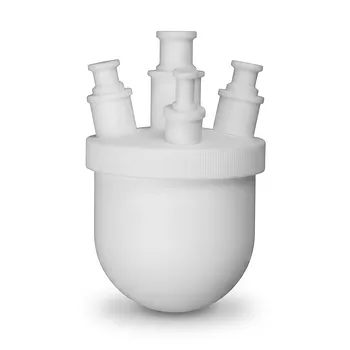
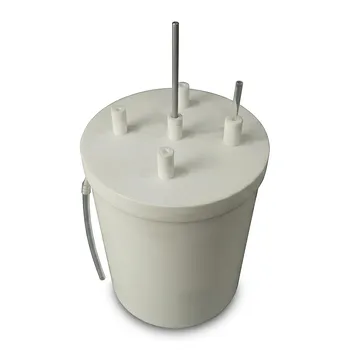
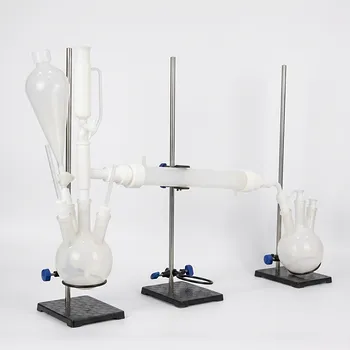
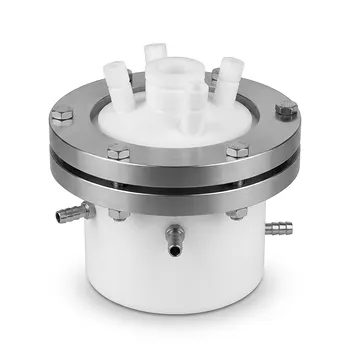
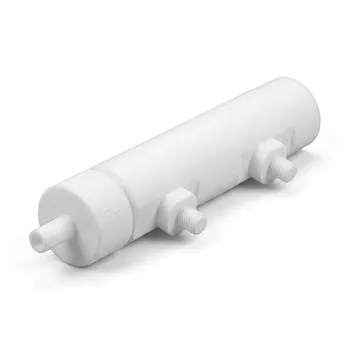
The primary function of high-pressure reactors and liners is to facilitate chemical reactions at temperatures and pressures far exceeding the normal boiling point of solvents. This environment is essential for the effective dissolution of precursors, the initiation of nucleation, and the controlled growth of transition metal dichalcogenide (TMD) nanocrystals with precise morphologies.
Core Takeaway: High-pressure reactors provide the extreme physical environment necessary for hydrothermal synthesis, while specialized liners ensure chemical purity and protect the reactor vessel from corrosive precursors and solvents.
Creating the Superheated Reaction Environment
Exceeding Normal Boiling Points
In the hydrothermal synthesis of TMDs, the reactor acts as a pressure vessel that allows aqueous solutions to remain in a liquid state well above 100°C. By containing the expansion of the solvent, the system generates autogenous pressure, which is critical for reaching the energy thresholds required for complex crystal formation.
Driving Precursor Dissolution and Nucleation
The extreme temperature and pressure significantly enhance the solubility of precursors that are otherwise insoluble at room temperature. This increased solubility leads to a higher concentration of reactive species in the solution, triggering rapid nucleation and allowing for the growth of high-crystallinity nanostructures.
Accelerating Ion Diffusion
High-pressure environments accelerate ion diffusion within the reaction mixture. This kinetic boost is vital for the formation of complex hydroxide or sulfide structures, ensuring that raw material components fully react and deposit uniformly on substrates.
The Critical Role of Reactor Liners
Chemical Isolation and Corrosion Resistance
Hydrothermal reactions often involve strong acids or alkalis that would aggressively corrode the stainless steel body of a reactor. Liners made from Polytetrafluoroethylene (PTFE) or Para-polyphenylene (PPL) act as an inert barrier, protecting the structural integrity of the autoclave.
Preventing Metal Ion Contamination
Liners ensure that the reaction remains a "closed system" free from external elements. By isolating the precursors from the metal reactor walls, they prevent metal ion leaching, which is essential for maintaining the high purity and specific electrical properties of the synthesized TMDs.
Maintaining System Sealing
At elevated temperatures, the liner serves a mechanical function by helping to maintain a tight seal. This ensures that the generated pressure does not leak, allowing the reaction to proceed safely and consistently for extended durations, sometimes spanning several days.
Influencing Crystal Morphology and Quality
Control Over Directional Growth
By precisely adjusting the temperature and pressure within the reactor, researchers can guide the directional crystallization of the material. This control allows for the synthesis of specific shapes, such as nanosheets, nanoflowers, or nanotubes, which optimize the material's catalytic activity.
Achieving High Crystallinity
The stable, high-energy environment of a sealed reactor facilitates the self-assembly of atoms into highly ordered lattices. Compared to open-air methods like co-precipitation, hydrothermal synthesis produces TMDs with fewer defects and superior oxygen vacancy concentrations or pore structures.
Understanding the Trade-offs and Limitations
Temperature Constraints of Materials
While reactors are robust, the liners have strict thermal limits; PTFE generally fails above 220°C, while PPL can withstand slightly higher temperatures. Exceeding these limits can lead to liner deformation, "creeping," or the release of toxic vapors.
Thermal Expansion Mismatch
There is a significant difference in the thermal expansion coefficients between the plastic liner and the steel reactor shell. If the reactor is cooled too quickly, the liner may collapse or crack, potentially ruining the sample and damaging the vessel.
Pressure Safety Risks
The internal autogenous pressure increases exponentially with temperature. Overfilling the liner (typically beyond 80% capacity) leaves insufficient "headspace" for expansion, which can lead to catastrophic pressure spikes and reactor failure.
How to Apply This to Your Synthesis Goals
Optimizing Your Experimental Design
- If your primary focus is high chemical purity: Utilize high-quality PTFE liners and ensure they are thoroughly acid-washed between runs to eliminate residual metal ions.
- If your primary focus is achieving temperatures above 230°C: Opt for PPL liners or specialized metallic alloy reactors, as standard PTFE will lose structural integrity at these levels.
- If your primary focus is specific crystal morphology: Carefully calibrate the fill degree of your liner, as the resulting headspace volume directly dictates the autogenous pressure and growth kinetics.
By mastering the balance between the reactor's physical containment and the liner's chemical isolation, you can precisely tune the properties of transition metal dichalcogenides for advanced applications.
Summary Table:
| Component | Primary Function | Key Advantages |
|---|---|---|
| High-Pressure Reactor | Environmental Containment | Enables autogenous pressure & temperatures exceeding normal solvent boiling points. |
| Inert Liner (PTFE/PPL) | Chemical Isolation | Prevents metal ion leaching & protects reactor vessel from corrosive precursors. |
| Combined System | Kinetic Enhancement | Accelerates ion diffusion and facilitates nucleation for high-crystallinity TMDs. |
| Morphology Control | Growth Direction | Precise pressure/temperature tuning allows synthesis of nanosheets, tubes, or flowers. |
Elevate Your Research with KINTEK’s Precision Fluoropolymer Solutions
To achieve high-purity transition metal dichalcogenides, the integrity of your reaction environment is paramount. KINTEK specializes in high-performance PTFE and PFA laboratory supplies, providing the chemical resistance and thermal stability required for demanding hydrothermal synthesis.
From high-volume hydrothermal synthesis liners, microwave digestion vessels, and reagent bottles to complex custom CNC-machined parts and reaction apparatus, we deliver end-to-end solutions tailored to your specific research needs. Whether you require standard consumables like centrifuge tubes and stirring bars or bespoke electrochemical cells and battery testing fixtures, our focus on fluoropolymer excellence ensures zero contamination and superior experimental repeatability.
Ready to optimize your synthesis workflow? Contact us today to discuss your standard or custom laboratory requirements!
References
- Syed Asim Ali, Tokeer Ahmad. Fabricating advanced functional materials for Hydrogen evolution reaction applications. DOI: 10.62110/sciencein.jmc.2025.1204
This article is also based on technical information from Kintek Knowledge Base .
Related Products
- High Temperature Corrosion Resistant Hydrothermal Synthesis Reactor with TFM Inner Liner and Straight Cylinder Design
- High Pressure Custom TFM Reactor Stainless Steel Outer Vessel PTFE Inner Cup for Corrosive Synthesis
- Custom TFM Reaction Vessel with Stainless Steel Jacket and PTFE Inner Cup for High Corrosion Resistance
- PTFE Lined High Pressure Digestion Vessel 50ml High Temperature Hydrothermal Synthesis Tank
- Custom PTFE Multilayer Reaction Apparatus High Temperature Corrosion Resistant Threaded Modular Sieve System
People Also Ask
- What is the role of a corrosion-resistant reactor in the synthesis of lignin-based carbon dots? Ensure Maximum Purity
- What are the technical advantages of using hydrothermal synthesis reactors for advanced electronic & optical nanomaterials?
- How does a hydrothermal synthesis reactor facilitate the production of crystalline materials with tailored morphologies? Precision Crystal Growth
- Why is the sealing reliability of a hydrothermal synthesis reactor critical for 24-hour cycles? Ensure Nano-Precision
- What role do hydrothermal synthesis reactors play in CQD preparation? Achieve High-Purity Nanomaterial Synthesis