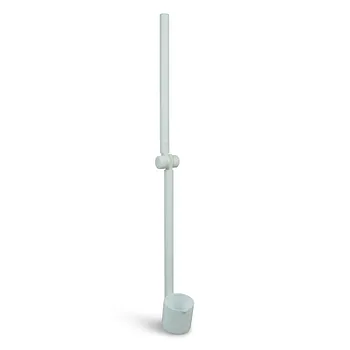
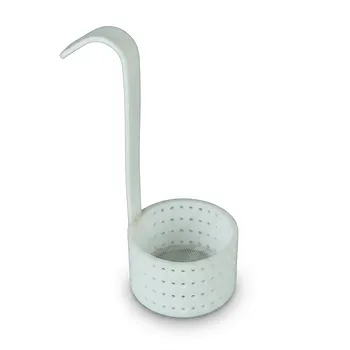
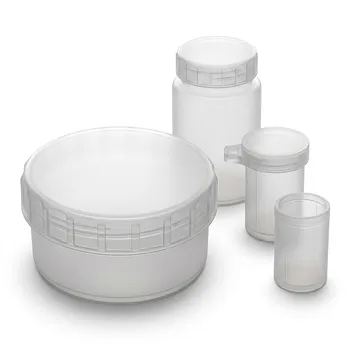
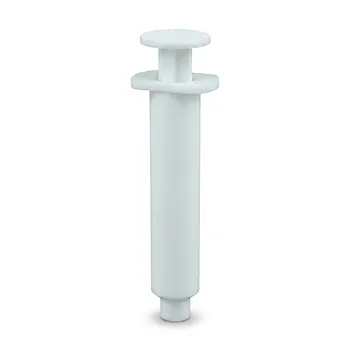
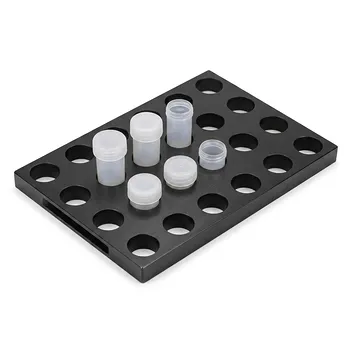
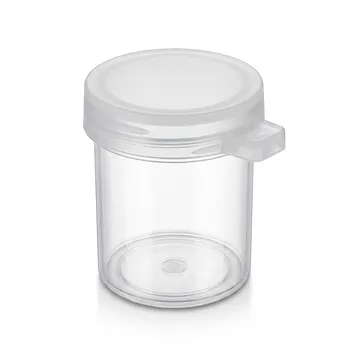
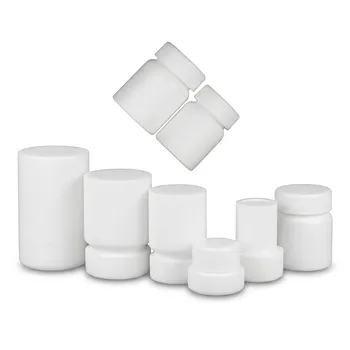
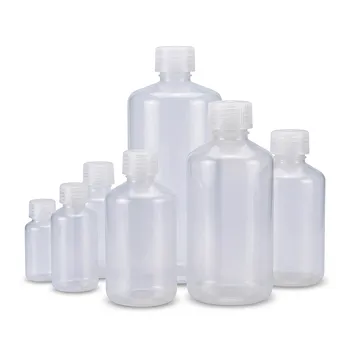
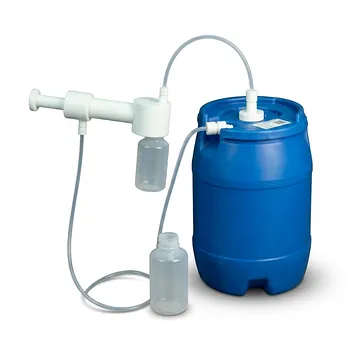
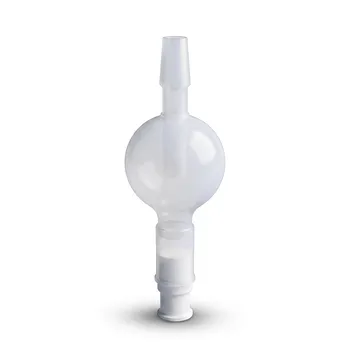
Heat-resistant precision sampling containers are essential for maintaining the integrity of the solid-liquid phase distribution during the synthesis of SSZ-13 zeolites. They allow for rapid sampling and phase separation at temperatures close to reaction conditions, preventing the uncontrolled precipitation or unintended crystal growth that typically occurs during cooling. This technical precision is the only way to obtain the reliable data necessary for calculating mass balances and determining the exact nutrient adjustments required to control aluminum distribution.
To achieve specific aluminum distributions in SSZ-13, researchers must utilize sampling hardware that preserves the reaction's chemical state at the moment of capture. This prevents "cooling artifacts" from corrupting the data used to calculate subsequent feeding requirements and framework composition.
The Role of Split Synthesis in Aluminum Control
Precision Through Strategic Timing
Split synthesis involves terminating a reaction at a precise interval to adjust the chemical components. This technique allows researchers to manipulate the environment mid-synthesis, directly influencing how aluminum atoms are incorporated into the zeolite framework.
Eliminating Cooling Artifacts
When a reaction mixture cools slowly, it often triggers uncontrolled precipitation or secondary crystal growth. Heat-resistant containers allow for phase separation at or near reaction temperature, ensuring the sample reflects the true state of the hydrothermal process.
Preserving the Solid-Liquid Equilibrium
By capturing the mixture at high temperatures, the ratio of dissolved species to solid crystals remains locked. This preservation is critical for understanding the kinetics of crystal formation and the distribution of aluminum between the liquid phase and the zeolite lattice.
Quantifying Success with Mass Balance
The Foundation of TGA Accuracy
Thermogravimetric Analysis (TGA) is used to calculate the mass balance of the synthesis. The accuracy of this analysis depends entirely on the reliability of the solid-liquid phase distribution data obtained at the "split point."
Determining Precise Feeding Requirements
Once the current state of the synthesis is accurately measured, researchers can calculate the exact amount of silica or alumina needed for the next phase. High-precision sampling ensures these feeding requirements are based on fact rather than estimates skewed by precipitation during cooling.
Consistency in Framework Composition
Achieving a specific Si/Al ratio and distribution requires rigorous control over the nutrient environment. Precision containers provide the high-fidelity data needed to ensure that each adjustment moves the synthesis toward the desired molecular architecture.
Understanding the Trade-offs and Challenges
Technical Complexity and Safety
Operating with heat-resistant, pressurized sampling equipment increases the complexity of the experimental setup. Researchers must balance the need for rapid phase separation with the safety protocols required for handling high-temperature materials.
Equipment Calibration and Maintenance
Precision containers require frequent calibration to ensure they maintain a seal under hydrothermal conditions. Any leakage or thermal instability can lead to pressure drops, which may prematurely terminate the reaction or alter the crystal morphology.
The Cost of High-Fidelity Data
The specialized materials and engineering required for these containers represent a higher upfront cost compared to standard sampling methods. However, this investment is often necessary to avoid the resource waste associated with failed batches or inaccurate framework distributions.
How to Apply This to Your Project
When integrating high-precision sampling into your SSZ-13 synthesis workflow, your choice of equipment should align with your specific material requirements.
- If your primary focus is stoichiometric accuracy: Prioritize containers that allow for immediate phase separation to ensure your TGA-based mass balance calculations are not corrupted by cooling-induced precipitation.
- If your primary focus is tailored aluminum distribution: Use heat-resistant sampling to capture the exact "split point" chemistry, allowing for highly calibrated nutrient additions in the subsequent synthesis stage.
By prioritizing the stability of your sample at the moment of extraction, you ensure that your analytical data serves as a reliable map for complex zeolite engineering.
Summary Table:
| Feature | Standard Sampling | Heat-Resistant Precision Sampling |
|---|---|---|
| Phase Separation | Occurs after cooling | Occurs at reaction temperature |
| Data Reliability | Skewed by "cooling artifacts" | High-fidelity mass balance data |
| Crystal Control | Uncontrolled precipitation | Precise framework Si/Al ratio |
| Process Utility | Limited to endpoint analysis | Enables split-synthesis adjustments |
Elevate Your Zeolite Engineering with KINTEK
Achieving the perfect Si/Al ratio in SSZ-13 requires more than just chemistry—it requires hardware that maintains integrity under extreme hydrothermal pressure. KINTEK specializes in high-performance fluoropolymer solutions designed to eliminate cooling artifacts and capture real-time reaction data.
Our expertise extends from PTFE and PFA hydrothermal synthesis liners and microwave digestion vessels to high-purity trace analysis instruments and bespoke laboratory setups. Whether you need standard labware (beakers, crucibles, reagent bottles), fluid transfer components (tubing, fittings, valves), or custom CNC-fabricated parts for complex reaction apparatus, KINTEK delivers precision-engineered tools with an exclusive focus on high-performance fluoropolymers.
Ready to optimize your synthesis workflow? Contact our experts today to discover how our custom-machined PFA and PTFE supplies can ensure the accuracy of your next breakthrough.
References
- Sven Robijns, Michiel Dusselier. Split Syntheses: Introducing Bottom-Up Control over Aluminum in SSZ-13 and ZSM-5 Zeolites. DOI: 10.1021/jacsau.4c00551
This article is also based on technical information from Kintek Knowledge Base .
Related Products
- High Purity PTFE Lab Tweezers Chemical Resistant Heat Stable Non Stick Precision Sample Handling Forceps
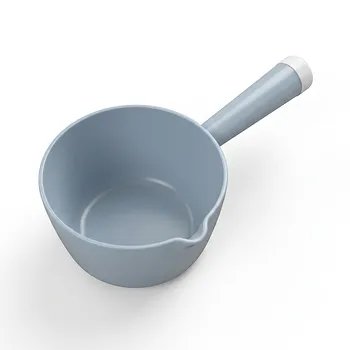
- Corrosion Resistant PTFE Sampling Cup Custom Fabricated PTFE Sampling Scoop Laboratory Fluoropolymer Sampling Tools
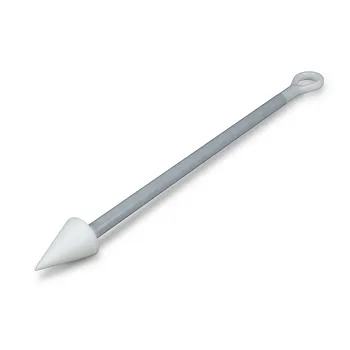
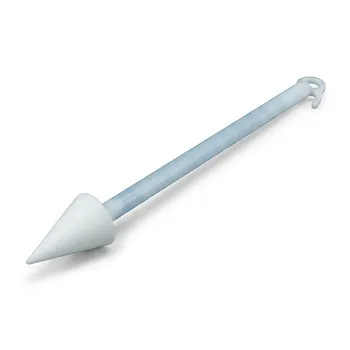
- Customizable Bendable PTFE Sampling Cup Corrosion Resistant Low Background Fluoropolymer Deep Liquid Sampler
- Corrosion Resistant PTFE Sampling Spoon and Cleaning Basket for Acid Tank Reagent Handling
- Customizable 22ml PTFE Cup Deep Layer Sampler and Corrosion Resistant Cylinder with Handle
People Also Ask
- What molecular characteristics provide PTFE laboratory tools with ultra-low surface energy and anti-stick properties for fluid transfer? Discover the science behind PTFE's non-stick performance.
- What other PTFE lab accessories are commonly used? Essential Tools for Chemical Resistance & Purity
- What are the non-stick properties of PTFE and their applications? Unlock Clean Release & Low Friction
- How do PTFE and PFA liquid handling tools optimize phase separation and intermediate extraction in fluorinated polymer synthesis? Discover key benefits and best practices.
- What are the key properties of PTFE heat sealing bands and wear strips? Enhance System Performance & Reliability