The key mechanism is quantitative photochemical radical reactivation of both PVDF–iodine chain-end isomers. During VDF polymerization, the desired –CH₂–CF₂–I ends become less prevalent as conversion increases, while regioinverted, less-reactive –CF₂–CH₂–I ends accumulate. Stoichiometric manganese decacarbonyl, Mn₂(CO)₁₀, activated by light, cleaves the C–I bonds and converts both populations into reactive PVDF radicals that can initiate polymerization of a second alkene block.
Mn₂(CO)₁₀ photolysis turns otherwise unequal PVDF iodine chain ends into a common reactive radical population, enabling controlled AB or ABA block formation. High-purity PTFE and PFA labware protects this process from metal contamination, chemical attack, oxygen, moisture, and leaks that could disrupt radical kinetics.
How Both PVDF Chain Ends Become Reactive
The problem with VDF chain-end structure
VDF polymerization can produce different regioisomeric chain ends. The more reactive end is typically represented as PVDF–CH₂–CF₂–I, whereas the inverted PVDF–CF₂–CH₂–I end is substantially less effective at directly initiating subsequent radical polymerization.
As VDF conversion increases, the less-reactive inverted ends accumulate. If only the naturally active ends are used, the material contains chains with different reactivities, making block growth incomplete and less uniform.
Photochemical activation by manganese carbonyl
Under irradiation, Mn₂(CO)₁₀ generates manganese-centered radical species capable of mediating iodine-atom transfer. In simplified form, the PVDF–I bond is cleaved or activated:
[ \text{PVDF–I} \rightarrow \text{PVDF}^\bullet + \text{I-containing manganese species} ]
This process is important because it does not rely solely on the original regioisomeric reactivity of the PVDF chain end. It provides a route to activate both –CH₂–CF₂–I and –CF₂–CH₂–I populations.
Formation of the second block
Once generated, the PVDF macroradical adds to a radically polymerizable alkene such as:
- Styrene
- Butadiene
- Vinyl acetate
- Methyl acrylate
Repeated monomer addition extends the original PVDF chain into a second polymer segment. Depending on the starting PVDF architecture and the activation strategy, this produces AB or ABA-type block copolymers.
Why this produces well-defined blocks
The critical feature is chain-end reactivation rather than uncontrolled new-chain generation. The pre-existing PVDF chains serve as macromolecular initiators, so the second block grows from defined PVDF segments instead of forming an unrelated population of homopolymer chains.
When activation is sufficiently quantitative and side reactions are suppressed, the process preserves the intended block architecture and minimizes unwanted mixtures.
Why Chain-End Reactivation Must Be Quantitative
Incomplete activation creates homopolymer impurities
If some PVDF–I ends remain unreacted, they cannot efficiently initiate the second block. The reaction then contains a mixture of:
- PVDF chains that successfully grow a second block
- PVDF chains that remain unextended
- New homopolymer formed from free monomer radicals
That mixture broadens the molecular-weight distribution and compromises the definition of the block copolymer.
Side reactions compete with block growth
Hydrogen abstraction from solvents can generate terminated PVDF ends such as PVDF–CF₂–CH₂–H or PVDF–CH₂–CF₂–H. These capped chains generally cannot continue the intended block-growth pathway.
Some transition-metal carbonyl systems may also promote β-fluorine elimination, producing unsaturated chain ends such as PVDF–CF=CH₂. These reactions reduce the fraction of chains available for clean block extension.
Reaction conditions control the outcome
Activation depends on several variables, including:
- Solvent identity
- Catalyst concentration
- Light exposure
- Monomer reactivity
- Atmosphere
- Reagent purity
The relative reactivity of the comonomer also matters. The reference identifies a general order of vinyl acetate > methyl acrylate > styrene under the relevant photochemical conditions.
Why PTFE and PFA Labware Are Needed
Metal leaching can alter radical kinetics
The reaction uses a carefully controlled organometallic activator. Trace metals released from ordinary metal fittings, reaction vessels, or machining residues can interact with radicals or catalyst species.
That contamination can change activation rates, promote termination, deactivate the manganese system, or introduce poorly controlled radical pathways. High-purity PTFE and PFA minimize this source of interference.
Fluoropolymers resist aggressive reagents
PVDF synthesis may involve reactive fluorinated monomers, strong radical species, organic solvents, iodine-containing compounds, and organometallic reagents. PTFE and PFA are highly resistant to these chemical environments, reducing corrosion, swelling, degradation, and extractable contamination.
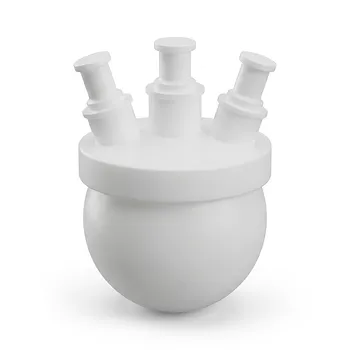
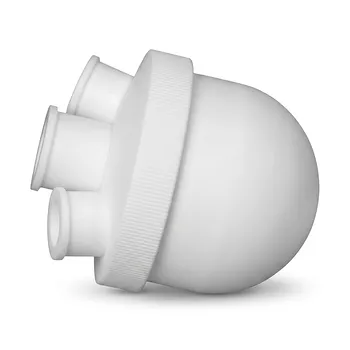
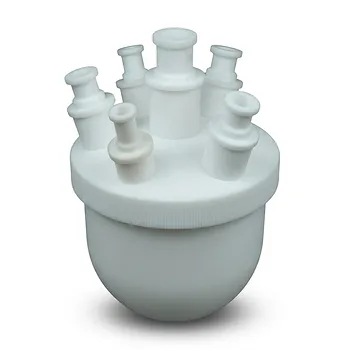
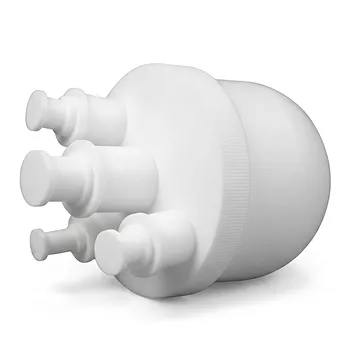
PFA is particularly useful when transparency, flexibility, or melt-processable custom components are needed. PTFE is useful for chemically inert machined parts, seals, lids, vessels, and fittings.
Inert surfaces protect product purity
The reaction vessel is not merely a container. Its internal surfaces are part of the chemical environment surrounding the polymerization.
High-purity fluoropolymer surfaces help prevent:
- Trace elemental contamination
- Catalyst poisoning
- Adsorption of reactive intermediates
- Formation of corrosion products
- Introduction of unintended chain-transfer species
This is especially important when the objective is a narrow molecular-weight distribution and a high fraction of correctly functionalized chain ends.
Airtight components maintain atmosphere control
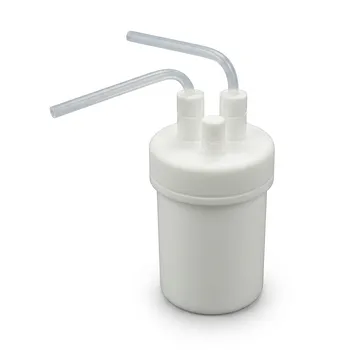
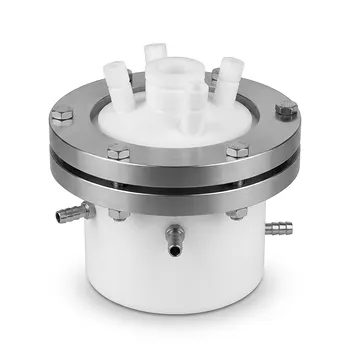
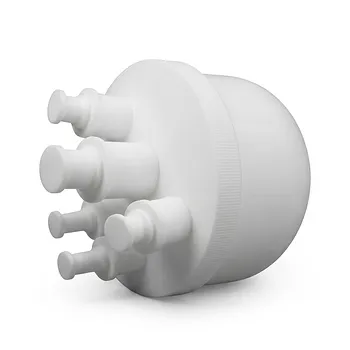
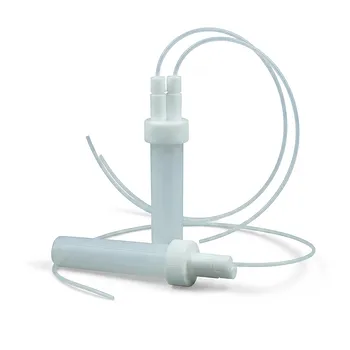
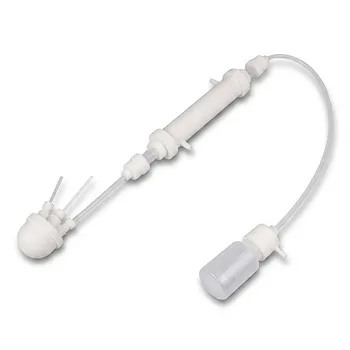
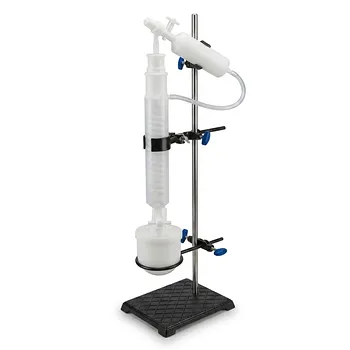
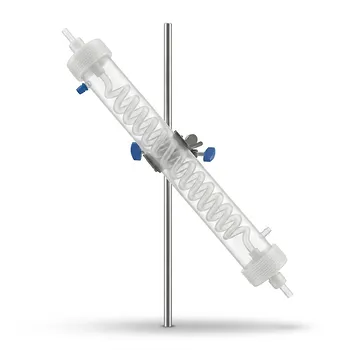
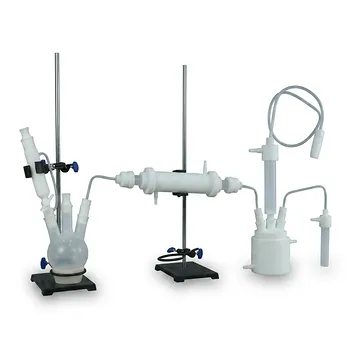
Oxygen and moisture can interfere with radical polymerization by trapping radicals or changing catalyst behavior. Custom-machined PTFE or PFA lids, inert valves, tubing, and fluid-transfer fittings help create a sealed system for purging and controlled reagent addition.
Maintaining an oxygen- and moisture-controlled atmosphere reduces premature termination and improves reproducibility between batches.
Understanding the Trade-offs
Fluoropolymer labware does not correct poor reaction design
PTFE and PFA can prevent contamination and chemical attack, but they cannot compensate for insufficient catalyst, unsuitable solvent, incomplete irradiation, or poor monomer purification.
The reaction still requires quantitative chain-end activation and carefully controlled photochemical conditions.
Catalyst loading involves a balance
Too little manganese carbonyl can leave part of the PVDF–I population inactive, leading to incomplete block formation and iodine degenerative-transfer products. Excessive activation, however, can increase unwanted radical reactions or complicate purification.
The catalyst level must therefore be selected together with solvent, monomer reactivity, light intensity, and target conversion.
Material compatibility is broader than chemical resistance
A labware component may be chemically resistant yet unsuitable mechanically or operationally. The design must also account for:
- Temperature and pressure
- Seal integrity
- Permeation and leak resistance
- Light access where photolysis is required
- Compatibility with pumps, valves, and tubing
- Cleanability and extractables
The correct system is a complete high-purity assembly, not simply a PTFE vessel placed into an otherwise contaminated setup.
Making the Right Choice for Your Goal
The best setup combines quantitative photochemical chain-end activation with contamination-controlled hardware.
- If your primary focus is well-defined AB or ABA block architecture: Activate both PVDF–CH₂–CF₂–I and PVDF–CF₂–CH₂–I populations quantitatively before introducing the second alkene block.
- If your primary focus is molecular-weight uniformity: Minimize unreactivated iodine ends, solvent-mediated hydrogen abstraction, and competing homopolymer formation.
- If your primary focus is reaction reproducibility: Use high-purity PTFE or PFA vessels, lids, fittings, valves, and tubing with strict oxygen and moisture control.
- If your primary focus is catalyst stability: Eliminate metallic contact surfaces and other sources of trace leaching that can perturb organometallic radical kinetics.
- If your primary focus is high-purity fluoropolymer product: Treat labware selection, atmosphere control, reagent purity, and photochemical dosing as one integrated process.
The synthesis succeeds when chemical chain-end reactivation and contamination-free reaction engineering are controlled together.
Summary Table:
| Aspect | Key Points |
|---|---|
| Mechanism | Mn₂(CO)₁₀ photolysis activates both PVDF-I chain-end isomers to radicals, initiating second block. |
| Requirement | Quantitative activation to avoid homopolymer impurities and ensure well-defined blocks. |
| Labware Need | High-purity PTFE/PFA prevents metal contamination, chemical attack, and maintains inert atmosphere. |
| Trade-offs | Catalyst balance, material compatibility, and integrated design are critical. |
Elevate your fluoropolymer synthesis with KINTEK's high-purity PTFE and PFA labware. Our custom-machined components ensure contamination-free reactions for precise block copolymers. Contact us today to optimize your setup! Get in touch
Related Products
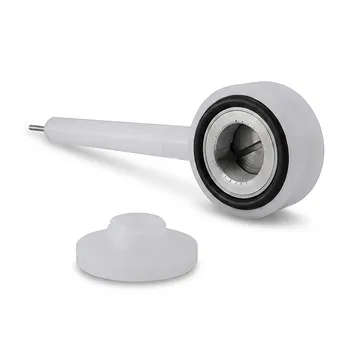
- PVDF Sample Support Body for Corrosion Testing and Electrochemical Analysis
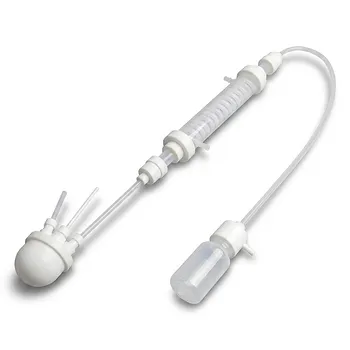
- Corrosion Resistant Hydrogen Fluoride Reflux Apparatus PTFE Flask Condenser Separatory Funnel Collection Bottle High Temperature Laboratory System
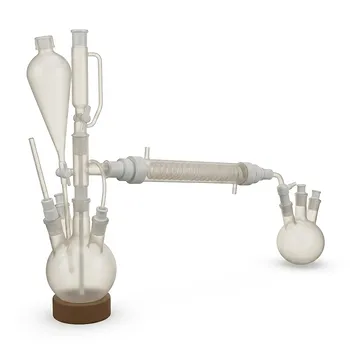
- PTFE Distillation Condensation Apparatus High Temperature Hydrofluoric Acid Resistant Fluorination Reaction Flask
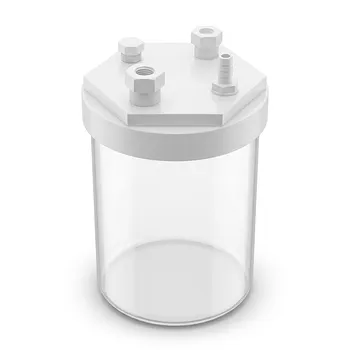
- PFA Reaction Tank 6L Customizable Fittings Corrosion Resistant Solvent Resistant PFA Reaction Bottle for New Material Synthesis
- Custom PTFE Continuous Reaction Bottles Virgin Fluoropolymer High Purity Low Background Synthesis Vessels
People Also Ask
- How do PVDF, PTFE, and PFA compare for chemical process and filtration applications?
- What is the function of β-phase fluoropolymer interfaces in lithium dendrite suppression, and how does this guide the selection of fluoropolymer electrochemical testing apparatus?
- How to Balance Ionic Conductivity and Water Barrier in Amphiphilic Polymer Electrolyte Membranes? Optimize with Fluoropolymer Testing Supplies
- What role do non-stick fluoropolymer substrates play during the thermal processing and film casting of electroactive PVDF membranes? Optimize your fabrication with PTFE/PFA release surfaces.
- What are the primary operational challenges with gaseous fluorinated monomers like VDF? Discover how specialized PTFE/PFA apparatus enables safe, low-pressure photopolymerization.