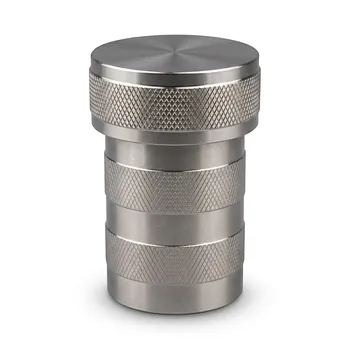
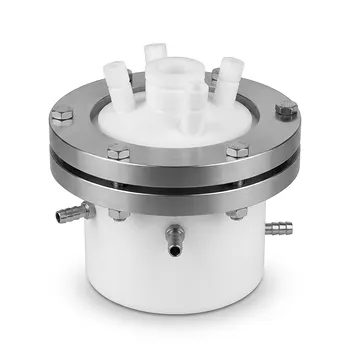
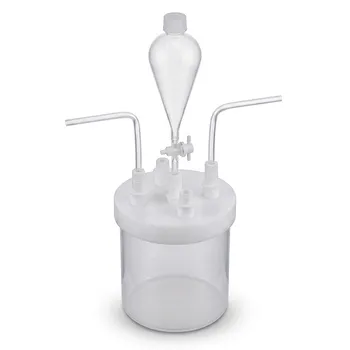
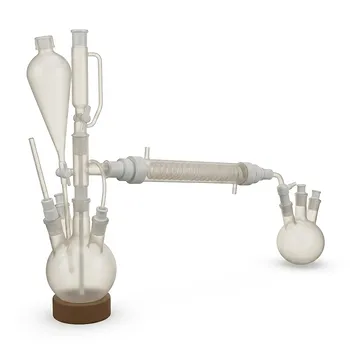
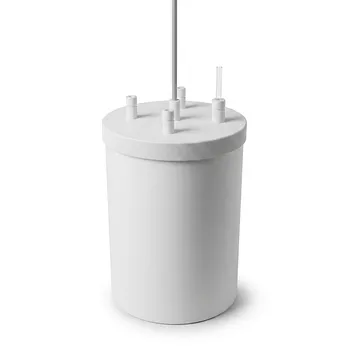
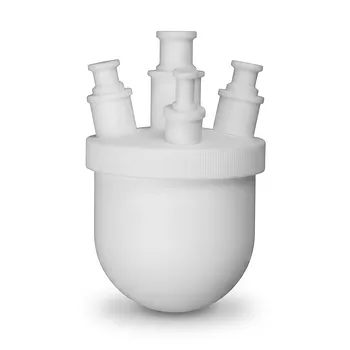
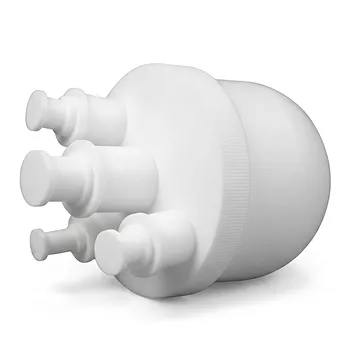
The two principal structural components of a standard laboratory hydrothermal synthesis reactor are the outer shell and the inner lining.
The outer shell, often called the pressure vessel or jacket, is a high-strength metal housing designed to provide mechanical integrity against extreme internal pressures. The inner lining, also known as the insert or reaction chamber, is a removable, chemically inert vessel that fits inside the shell to contain the reaction and protect the metal from corrosion.
Core Takeaway: A hydrothermal reactor utilizes a dual-layer design to decouple structural strength from chemical resistance, ensuring that high-pressure reactions can proceed safely without corroding the vessel or contaminating the product.
The Outer Shell: The Foundation of Structural Integrity
High-Strength Alloy Construction
The outer shell is typically fabricated from high-strength stainless steel alloys, most commonly Grade 304 or 316. These materials are chosen specifically for their ability to maintain shape and safety under significant mechanical stress.
Managing High Internal Pressures
This component acts as the primary safety barrier against the autogenous pressure generated during heating. A standard laboratory shell is designed to withstand internal pressures ranging from 3 to 30 MPa, and sometimes significantly higher.
The Sealing Mechanism
The outer shell includes a threaded or bolted lid system that creates a gas-tight seal. This ensures that the solvent remains in a liquid or supercritical state at temperatures far exceeding its normal boiling point.
The Inner Lining: The Barrier of Chemical Inertness
PTFE and PPL Material Composition
The inner lining is usually made from polytetrafluoroethylene (PTFE) or polyphenylene polymers (PPL). These materials are chosen for their exceptional chemical resistance and non-stick properties.
Preventing Corrosion and Contamination
Because the lining is chemically inert, it prevents corrosive precursors from attacking the stainless steel outer shell. This dual-layer approach also ensures that metal ions from the shell do not leach into and contaminate the synthesized product.
Thermal Expansion and Fit
The lining is designed to fit precisely within the steel cavity, though it must account for thermal expansion. During the heating process, the lining expands against the steel wall, which provides the necessary support to prevent the plastic from deforming under pressure.
Understanding the Trade-offs and Safety Risks
Thermal Limits of Lining Materials
While the steel shell can withstand very high temperatures, the reactor is limited by the melting or softening point of the lining. PTFE is generally limited to operating temperatures below 220°C, while PPL can extend this range slightly higher.
The Danger of Over-filling
A critical pitfall is exceeding the recommended fill volume, typically 60% to 80% of the liner's capacity. Over-filling leaves insufficient space for the expansion of the liquid phase, which can cause a catastrophic pressure spike and reactor failure.
Cooling and Thermal Shock
Rapid cooling of the reactor can lead to thermal shock, potentially cracking the liner or damaging the sealing threads. Both heating and cooling should be performed gradually, often at a rate of ≤5 °C per minute, to maintain the longevity of the components.
How to Apply This to Your Laboratory Workflow
Selecting and maintaining your reactor depends heavily on your specific experimental parameters and safety requirements.
- If your primary focus is high-temperature synthesis (>250°C): Ensure you are using a PPL liner or specialized high-temperature alloys, as standard PTFE will begin to degrade and lose structural integrity.
- If your primary focus is working with highly acidic or basic precursors: Prioritize the inspection of your PTFE liner for any signs of pitting or discoloration before every run to protect the outer steel shell.
- If your primary focus is maximizing safety and equipment lifespan: Always use a secondary protective enclosure during the heating phase and strictly adhere to slow cooling protocols before attempting to open the vessel.
By understanding the synergy between the pressure-bearing shell and the inert liner, you can conduct high-energy chemical synthesis with both precision and safety.
Summary Table:
| Component | Typical Material | Primary Function | Key Operational Limit |
|---|---|---|---|
| Outer Shell | Stainless Steel (304/316) | Structural integrity & pressure containment | 3 - 30+ MPa pressure resistance |
| Inner Lining | PTFE or PPL | Chemical inertness & corrosion protection | PTFE < 220°C; PPL < 280°C |
| Sealing System | Threaded/Bolted Lid | Maintains gas-tight autogenous pressure | Avoid rapid thermal shock |
Elevate Your Synthesis with KINTEK’s Precision Fluoropolymer Engineering
At KINTEK, we specialize in the high-performance materials that drive discovery. Whether you are conducting high-pressure hydrothermal synthesis or handling sensitive trace analysis, our absolute focus on PTFE and PFA ensures your results remain uncontaminated and your equipment stays durable.
From everyday essentials like beakers, crucibles, and reagent bottles to advanced hydrothermal synthesis liners, microwave digestion vessels, and custom electrochemical cells, we provide the full spectrum of laboratory supplies. Our end-to-end custom CNC fabrication allows us to deliver everything from high-volume consumables (O-rings, gaskets, tubing) to complex, non-standard machined parts tailored to your specific research needs.
Ready to upgrade your lab's performance and safety? Contact KINTEK today to discuss your custom project or bulk order.
Related Products
- High Temperature Corrosion Resistant Hydrothermal Synthesis Reactor with TFM Inner Liner and Straight Cylinder Design
- PTFE Lined High Pressure Digestion Vessel 50ml High Temperature Hydrothermal Synthesis Tank
- Custom PTFE Reaction System with Hose Barb Fittings Corrosion Resistant High Sealing 2L 4L Lab Reactor with Separatory Funnel
- High Pressure Custom TFM Reactor Stainless Steel Outer Vessel PTFE Inner Cup for Corrosive Synthesis
- High Purity PFA Reaction Vessel for Biopharmaceutical Synthesis and Corrosive Chemical Fluid Handling with Customizable Tube Fittings
People Also Ask
- What is the role of a corrosion-resistant reactor in the synthesis of lignin-based carbon dots? Ensure Maximum Purity
- What are the technical advantages of using hydrothermal synthesis reactors for advanced electronic & optical nanomaterials?
- How does a hydrothermal synthesis reactor facilitate the production of crystalline materials with tailored morphologies? Precision Crystal Growth
- Why is the sealing reliability of a hydrothermal synthesis reactor critical for 24-hour cycles? Ensure Nano-Precision
- What role do hydrothermal synthesis reactors play in CQD preparation? Achieve High-Purity Nanomaterial Synthesis