Operating a hydrothermal synthesis reactor requires a disciplined approach to thermal management and pressure containment. The process involves loading chemical precursors into a chemically inert liner, sealing that liner within a high-strength stainless steel autoclave, and applying controlled heat to facilitate reactions under autogenous pressure. To ensure safety, operators must strictly adhere to specific heating and cooling rates while never exceeding the vessel's rated capacity or temperature limits.
Core Takeaway: The safety and success of hydrothermal synthesis depend on the integrity of the internal liner and the gradual transition of temperatures. Failure to control heating rates or cooling cycles can lead to catastrophic vessel failure or hazardous pressure releases.
The Assembly and Loading Process
Selecting and Preparing the Liner
The reaction occurs within an inner liner, typically made of polytetrafluoroethylene (PTFE) or polypropylene (PPL), which protects the outer steel body from corrosion. Before loading, ensure the liner is free of scratches or degradation that could compromise its ability to contain high-pressure aqueous solutions.
Managing Fill Volume
Never exceed the rated fill volume of the liner, as liquid expansion at high temperatures can cause a dangerous spike in internal pressure. Maintaining a "headspace" is critical because it allows the autogenous pressure to develop safely without hydraulically stressing the vessel walls.
Sealing the Pressure Vessel
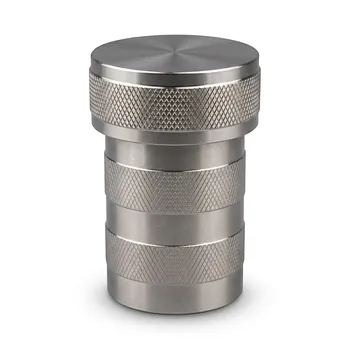
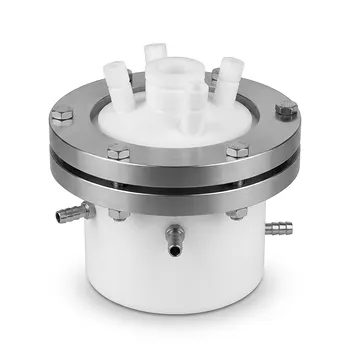
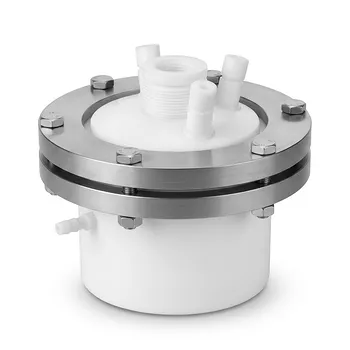
Place the loaded liner into the stainless steel jacket (typically grade 304 or 316) and ensure the lid is tightened securely. This outer shell provides the mechanical integrity required to withstand internal pressures that can range from 3 to 30 MPa.
Managing the Heating and Reaction Phase
Controlled Temperature Ramping
Heat the reactor gradually, maintaining a ramp rate of ≤5 °C/min to prevent thermal shock to the liner and the steel casing. Gradual heating ensures that the pressure builds predictably as the water reaches and exceeds its boiling point.
Utilizing Protective Enclosures
Always operate the reactor within a protective enclosure or a dedicated blast-proof oven during the heating phase. This provides a secondary layer of defense in the unlikely event of a mechanical failure or a seal breach under high pressure.
Monitoring Reaction Limits
Strictly observe the temperature limits of your liner material; for example, PTFE liners generally should not exceed 220–250°C. Exceeding these limits can cause the liner to soften or "creep," leading to a loss of seal and potential damage to the stainless steel outer body.
Safe Cooling and Product Recovery
The Necessity of Slow Cooling
Once the reaction is complete, the reactor must be allowed to cool slowly to room temperature before any attempt is made to open it. Rapid cooling can cause the stainless steel to contract faster than the internal pressure drops, potentially warping the vessel or trapping the lid.
Avoiding Thermal Shock
Do not quench the reactor in cold water or expose it to forced air cooling unless the equipment is specifically rated for such procedures. A natural, ambient cooling process is the safest way to ensure the internal autogenous pressure returns to safe atmospheric levels.
Safe Depressurization
Only open the reactor once it is cool to the touch. Opening a hot reactor can result in a rapid, hazardous release of pressurized steam and chemical vapors, which poses a severe risk of burns and inhalation of toxic substances.
Understanding the Trade-offs and Pitfalls
Material Limitations vs. Chemical Resistance
While PTFE liners offer excellent chemical resistance, they have lower temperature thresholds than the stainless steel bodies that house them. Operators often mistake the durability of the steel shell for the durability of the entire unit, leading to liner failure from overheating.
Pressure Risks of Volatile Solvents
Using solvents with lower boiling points than water can generate significantly higher pressures at lower temperatures. If your precursors produce gases during the reaction, the standard fill-volume guidelines may no longer be sufficient to prevent over-pressurization.
Mechanical Fatigue and Maintenance
Repeated heating and cooling cycles eventually cause metal fatigue in the stainless steel threads and body. Neglecting regular inspections for hairline cracks or thread wear can lead to a catastrophic failure even when operating within "safe" temperature parameters.
How to Apply This to Your Project
Best Practices for Experimental Success
Before starting your synthesis, evaluate your experimental goals against the physical limits of your hardware.
- If your primary focus is synthesizing nanomaterials at high heat: Ensure your temperature controller is calibrated to never overshoot the 5 °C/min ramp rate to protect the liner's structural integrity.
- If your primary focus is maximum yield through high fill volumes: Limit your fill to 60-80% of the liner's capacity to provide enough headspace for safe gas expansion.
- If your primary focus is long-term equipment safety: Perform a visual inspection of the stainless steel threads and the liner's seal surface before every single run.
The foundation of hydrothermal synthesis is the respect for the immense energy stored within a pressurized vessel.
Summary Table:
| Parameter | Recommended Protocol | Safety Significance |
|---|---|---|
| Fill Volume | 60% – 80% of liner capacity | Prevents hydraulic stress and over-pressurization. |
| Heating Rate | ≤ 5 °C/min | Protects liner integrity and ensures predictable pressure buildup. |
| Max Temp (PTFE) | 220°C – 250°C | Prevents liner softening ("creep") and seal failure. |
| Cooling Method | Natural ambient cooling | Avoids thermal shock, vessel warping, and trapped lids. |
| Pressure Limit | 3 MPa – 30 MPa | Requires high-strength 304/316 stainless steel jackets. |
Elevate Your Lab Safety with KINTEK’s Precision Fluoropolymer Solutions
Achieving consistent results in hydrothermal synthesis demands more than just protocol—it requires high-performance hardware you can trust. KINTEK is your premier partner for high-performance fluoropolymer materials, manufacturing virtually all imaginable laboratory supplies crafted from PTFE and PFA.
Whether you need everyday essentials like beakers, crucibles, and reagent bottles, or specialized components like hydrothermal synthesis liners, microwave digestion vessels, and custom electrochemical cells, we deliver unmatched chemical resistance and thermal stability. Our expertise extends to comprehensive fluid transfer components (tubing, fittings, valves), sample prep tools, and advanced reaction apparatus designed for the most rigorous trace analysis environments.
Why choose KINTEK?
- End-to-End Customization: Our custom CNC fabrication capabilities allow us to deliver everything from complex non-standard machined parts to high-volume orders.
- Material Excellence: An exclusive focus on high-performance PTFE and PFA ensures your equipment withstands extreme laboratory conditions.
- Comprehensive Range: From O-rings and gaskets to bespoke laboratory setups, we provide absolutely everything for your fluoropolymer needs.
Ensure your next reaction is safe and successful. Contact KINTEK today for high-quality standard supplies or a quote on custom-fabricated components!
Related Products
- High Temperature Corrosion Resistant Hydrothermal Synthesis Reactor with TFM Inner Liner and Straight Cylinder Design
- PTFE Lined High Pressure Digestion Vessel 50ml High Temperature Hydrothermal Synthesis Tank
- Custom PTFE Reaction System with Hose Barb Fittings Corrosion Resistant High Sealing 2L 4L Lab Reactor with Separatory Funnel
- High Pressure Custom TFM Reactor Stainless Steel Outer Vessel PTFE Inner Cup for Corrosive Synthesis
- High Purity PFA Reaction Vessel for Biopharmaceutical Synthesis and Corrosive Chemical Fluid Handling with Customizable Tube Fittings
People Also Ask
- What is the role of a corrosion-resistant reactor in the synthesis of lignin-based carbon dots? Ensure Maximum Purity
- What are the technical advantages of using hydrothermal synthesis reactors for advanced electronic & optical nanomaterials?
- How does a hydrothermal synthesis reactor facilitate the production of crystalline materials with tailored morphologies? Precision Crystal Growth
- Why is the sealing reliability of a hydrothermal synthesis reactor critical for 24-hour cycles? Ensure Nano-Precision
- What role do hydrothermal synthesis reactors play in CQD preparation? Achieve High-Purity Nanomaterial Synthesis