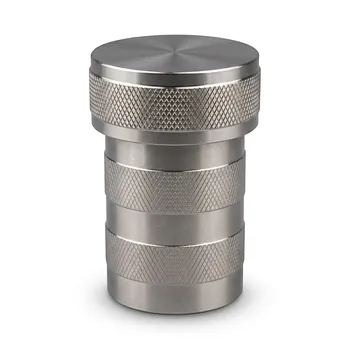
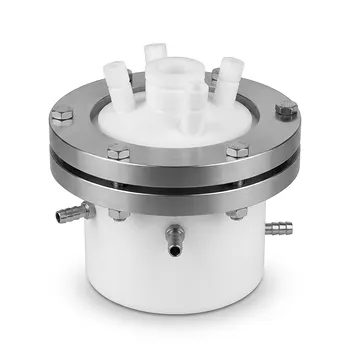
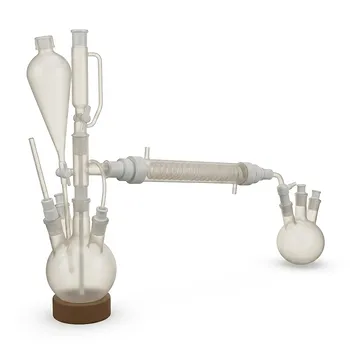
A hydrothermal synthesis reactor, also known as a "digestion bomb," is a dual-layered pressure vessel composed of a high-strength stainless steel outer shell and a chemically inert inner liner. It operates by heating aqueous solutions to temperatures between 100°C and 300°C, generating internal "autogenous" pressures that typically range from 3 to 30 MPa (30 to 300 bar) to facilitate chemical reactions.
A hydrothermal synthesis reactor enables the creation of advanced materials by using high-temperature water and pressure to dissolve and recrystallize substances. This environment allows for the synthesis of single crystals and nanomaterials that are impossible to produce under standard atmospheric conditions.
The Dual-Layer Structural Design
The Stainless Steel Outer Shell (The Jacket)
The outer body is the primary structural component designed to provide mechanical integrity. It is typically fabricated from high-strength, corrosion-resistant alloys such as Stainless Steel 304 or 316.
This shell acts as a pressure vessel, safely containing the extreme force generated as the internal liquid expands and turns to vapor. It is designed to withstand several hundred bars of pressure without deforming or failing.
The Inert Inner Liner (The Insert)
The inner liner serves as a critical chemical barrier between the reactive solution and the metal shell. It is most commonly made from Polytetrafluoroethylene (PTFE) or Polyphenylene Polymer (PPL).
This liner prevents corrosive chemicals from attacking the stainless steel, which could lead to vessel failure or product contamination. While PTFE is the standard for most applications, PPL is often used when slightly higher operating temperatures are required.
Critical Operating Conditions
Temperature and Autogenous Pressure
The reactor operates in a "closed system," meaning as the internal temperature rises above the boiling point of water, the liquid expands. Because the volume is fixed, this creates autogenous pressure—pressure generated purely by the heating process.
Most laboratory reactors are rated for temperatures up to 300°C. The pressure is directly dependent on the temperature and the "fill ratio" of the liquid inside the vessel.
Controlled Thermal Cycles
Standard operation requires gradual heating, typically at a rate of ≤5 °C per minute, to avoid thermal shock to the liner and shell. This ensures the materials expand at a predictable rate and maintains the seal's integrity.
Cooling is equally critical and must be done slowly until the reactor reaches room temperature. Opening a reactor before it has cooled completely can cause a hazardous release of high-pressure steam.
Understanding the Trade-offs and Pitfalls
Material Degradation Limits
While PTFE is highly inert, it has a physical limit; exceeding its rated temperature (usually around 220°C–250°C) can cause it to soften or release toxic fumes. If your reaction requires higher temperatures, you must switch to a PPL liner or a specialized metallic alloy.
The Danger of Overfilling
One of the most common and dangerous mistakes is overfilling the liner. You must never fill the vessel to its total capacity; standard safety protocols suggest a fill volume of 60% to 80%.
Leaving "headspace" is mandatory to allow for the thermal expansion of the liquid. If the vessel is 100% full, the hydraulic pressure generated upon heating will likely cause the reactor to explode.
Making the Right Choice for Your Goal
How to Apply This to Your Project
To ensure a successful and safe synthesis, your choice of reactor and operation method should align with your specific research objectives.
- If your primary focus is synthesizing high-purity nanomaterials: Ensure you use a high-quality PTFE liner to prevent any metal ions from the outer shell from leaching into your reaction.
- If your primary focus is high-temperature crystal growth (above 250°C): Utilize a PPL liner or a specialized high-pressure autoclave rated for extreme temperatures to avoid liner deformation.
- If your primary focus is safety and vessel longevity: Always maintain a heating/cooling rate of less than 5 °C/min and never exceed a 75% fill ratio to prevent catastrophic pressure spikes.
By balancing material selection with strict adherence to thermal protocols, you can harness the unique solvent properties of high-temperature water to create materials with precision.
Summary Table:
| Component/Parameter | Specification | Purpose/Key Limit |
|---|---|---|
| Outer Shell | SS 304 or 316 Stainless Steel | Structural integrity & pressure containment |
| Inner Liner | PTFE or PPL | Chemical inertness & corrosion resistance |
| Operating Temp | 100°C – 300°C | Facilitates dissolution & recrystallization |
| Internal Pressure | 3 – 30 MPa (Autogenous) | High-pressure environment for crystal growth |
| Safe Fill Ratio | 60% – 80% of volume | Prevents hazardous hydraulic expansion |
| Thermal Rate | ≤ 5 °C per minute | Protects liner and seal integrity |
Elevate Your Material Synthesis with KINTEK’s High-Performance Solutions
Success in hydrothermal synthesis depends on the integrity of your materials. KINTEK maintains an exclusive focus on high-performance fluoropolymer materials, ensuring your lab equipment delivers the chemical purity and pressure resistance your research demands.
From everyday basic labware like PTFE beakers, crucibles, and digestion tubes to advanced reaction apparatus such as custom electrochemical cells and hydrothermal synthesis liners, we manufacture virtually every laboratory supply you can imagine. Backed by end-to-end custom CNC fabrication, we deliver everything from high-volume orders to complex, non-standard machined parts tailored to your specific research parameters.
Ready to optimize your lab setup? Contact our engineering team today to discuss how our PTFE and PFA expertise can support your next breakthrough!
Related Products
- High Temperature Corrosion Resistant Hydrothermal Synthesis Reactor with TFM Inner Liner and Straight Cylinder Design
- PTFE Lined High Pressure Digestion Vessel 50ml High Temperature Hydrothermal Synthesis Tank
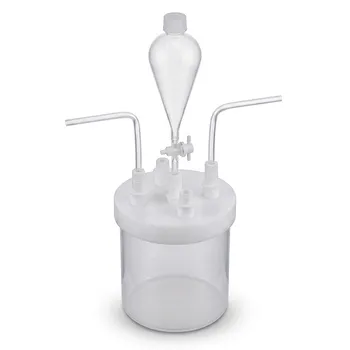
- Custom PTFE Reaction System with Hose Barb Fittings Corrosion Resistant High Sealing 2L 4L Lab Reactor with Separatory Funnel
- High Pressure Custom TFM Reactor Stainless Steel Outer Vessel PTFE Inner Cup for Corrosive Synthesis
- High Purity PFA Reaction Vessel for Biopharmaceutical Synthesis and Corrosive Chemical Fluid Handling with Customizable Tube Fittings
People Also Ask
- What is the role of a corrosion-resistant reactor in the synthesis of lignin-based carbon dots? Ensure Maximum Purity
- What are the technical advantages of using hydrothermal synthesis reactors for advanced electronic & optical nanomaterials?
- How does a hydrothermal synthesis reactor facilitate the production of crystalline materials with tailored morphologies? Precision Crystal Growth
- Why is the sealing reliability of a hydrothermal synthesis reactor critical for 24-hour cycles? Ensure Nano-Precision
- What role do hydrothermal synthesis reactors play in CQD preparation? Achieve High-Purity Nanomaterial Synthesis