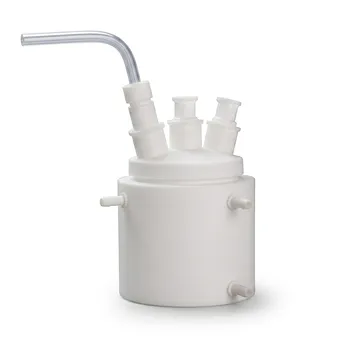
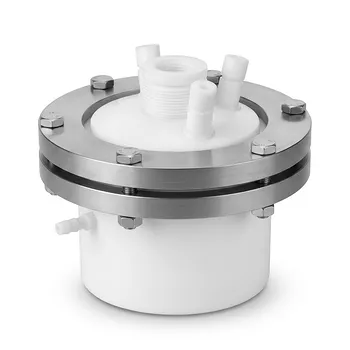
The primary advantages of PTFE and PPL reactor linings lie in their ability to ensure chemical purity and operational efficiency. These non-stick, non-porous surfaces facilitate uniform heat transfer and eliminate "wall effects" that can otherwise disrupt sensitive chemical reactions. Practically, they allow for the effortless harvesting of crystals and products while drastically reducing the time required for cleaning and batch turnover.
PTFE and PPL linings transform reactor maintenance from a labor-intensive hurdle into a streamlined, repeatable process. By preventing material adhesion and chemical absorption, these surfaces safeguard product integrity while maximizing equipment uptime.
Enhancing Reaction Consistency and Precision
Facilitating Uniform Heat Transfer
The smooth, consistent surface of these linings ensures an even interface between the vessel wall and the reactants. This minimizes localized temperature fluctuations, which is critical for maintaining stable reaction kinetics and product quality.
Minimizing Disruptive Wall Effects
Non-porous surfaces prevent reactants from becoming trapped or reacting prematurely at the vessel’s boundary layer. This ensures that the chemical process remains focused on the bulk solution rather than being influenced by the surface of the container.
Low Coefficient of Friction
PTFE, in particular, features an exceptionally low coefficient of friction, allowing materials to slide across the surface with minimal resistance. This property is vital in dynamic applications where moving parts or fluids must flow without drag or turbulence.
Optimizing Product Recovery and Purity
Simplifying Crystal and Product Harvesting
The non-stick nature of PTFE and PPL allows solid products, such as crystals, to be removed effortlessly post-reaction. This ensures complete sample recovery and prevents the mechanical damage that can occur when scraping products off more adhesive surfaces.
Eliminating Cross-Contamination
Because these surfaces are non-porous, they do not absorb oils, greases, or particulate matter from previous batches. This inherent "self-cleaning" property is essential for laboratories and plants that switch between different chemical formulations frequently.
Hydrophobic and Residue-Free Operation
The hydrophobic nature of these materials prevents the buildup of aqueous contaminants and ensures that no residue is left behind. This results in a cleaner environment for sensitive reactions and maintains the reusability of caps, gaskets, and seals.
Reducing Operational Overhead and Maintenance
Drastic Reduction in Equipment Downtime
Cleaning a non-stick surface requires significantly less time and fewer aggressive solvents than cleaning traditional metal or glass surfaces. This rapid turnover increases the total number of batches a reactor can process within a specific timeframe.
Simplified Maintenance and Installation
The easy-release nature of these materials simplifies the installation and replacement of gaskets and seals. This prevents components from "baking" onto mating surfaces, which reduces the labor costs and potential for damage during routine maintenance.
Mitigation of Seal Failure
By preventing the buildup of debris and contaminants, the non-stick surface helps maintain the integrity of seals over extended periods. This reduces the risk of leaks and premature wear, ensuring the reactor operates at peak performance longer.
Understanding the Trade-offs
Mechanical Vulnerability
While chemically robust, PTFE and PPL are relatively soft materials compared to stainless steel or specialized alloys. They are susceptible to physical gouging or scratching from abrasive solids, which can create "pits" where materials may eventually stick.
Temperature and Pressure Limitations
These polymers have specific thermal and pressure thresholds that must be strictly monitored. Operating beyond these limits can cause the lining to deform or experience "cold flow," potentially compromising the seal of the reactor.
Heat Transfer Efficiency Comparisons
Although these linings facilitate uniform heat transfer, the thermal conductivity of polymers is generally lower than that of bare metal. Operators must account for this insulating effect when designing heating and cooling protocols for the reaction.
How to Apply This to Your Project
When selecting a lining for your reactor, consider your primary operational goals:
- If your primary focus is high-purity synthesis: Prioritize PTFE for its superior non-porous nature to virtually eliminate the risk of batch-to-batch cross-contamination.
- If your primary focus is maximizing production throughput: Leverage the non-stick properties of these linings to reduce cleaning intervals and accelerate the product harvesting phase.
- If your primary focus is handling viscous or "sticky" reagents: Utilize the low coefficient of friction provided by these materials to prevent buildup and ensure smooth material flow.
By leveraging the unique surface properties of PTFE and PPL, you can ensure your chemical processes remain clean, efficient, and highly reproducible.
Summary Table:
| Feature | Practical Advantage | Operational Impact |
|---|---|---|
| Non-Stick Surface | Easy crystal & product harvesting | Maximizes yield and speeds up batch turnover |
| Non-Porous Nature | Prevents absorption and "wall effects" | Eliminates cross-contamination & ensures purity |
| Low Friction | Minimal drag for fluids and moving parts | Enhances flow dynamics and reaction consistency |
| Hydrophobic | Repels aqueous residues | Simplifies cleaning and maintains seal integrity |
| Chemical Inertness | Resists aggressive reagents | Extends equipment lifespan and reduces overhead |
Elevate Your Lab Precision with KINTEK’s Fluoropolymer Expertise
Maximize your chemical purity and operational efficiency with high-performance solutions from KINTEK. We specialize in the absolute focus on high-performance fluoropolymers, delivering everything from everyday basic labware (beakers, crucibles, reagent bottles, and digestion tubes) to high-purity trace analysis instruments and comprehensive fluid transfer components like tubing, fittings, and valves.
Whether you require standard sample prep tools—such as filters, pipettes, and spatulas—or advanced reaction apparatus like custom electrochemical cells, battery testing fixtures, and microwave digestion vessels, our end-to-end custom CNC fabrication ensures a perfect fit for your specific research needs. From high-volume consumables to complex, bespoke machined parts, KINTEK provides the durability and non-stick performance your laboratory demands.
Ready to streamline your workflow and safeguard your product integrity?
Contact KINTEK Today to discuss your custom requirements and discover how our PTFE and PFA solutions can transform your lab productivity.
Related Products
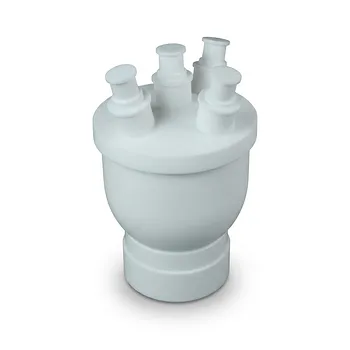
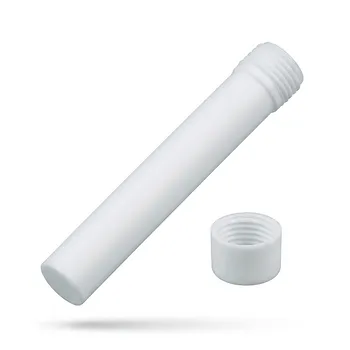
- Customizable Polytetrafluoroethylene PTFE Reactor and Corrosion Resistant Teflon Flask
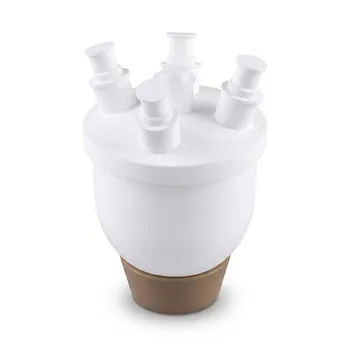
- High Performance Customizable PTFE Reaction Vessel and Corrosion Resistant Polytetrafluoroethylene Flask for Chemical Laboratory Use
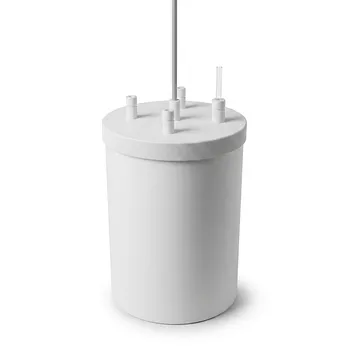
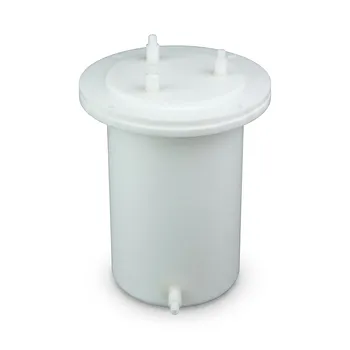
- High Purity PTFE Reaction Vessel Polyfluortetraethylene Cylindrical Tank Petrochemical Reaction Container
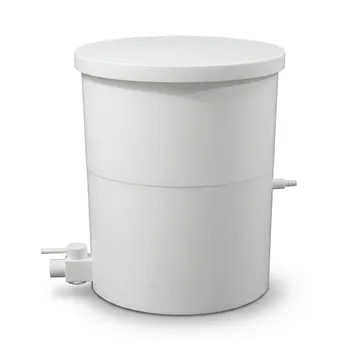
- Large Scale PTFE Double Layer Reaction Tank with Integrated Filter Plate High Purity Polytetrafluoroethylene Chemical Vessel 25L
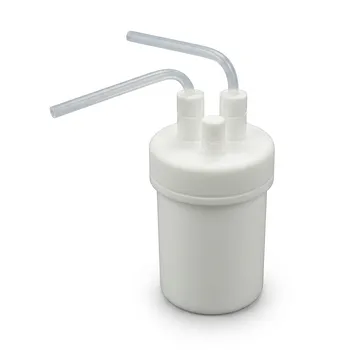
- Custom PTFE Reaction System with Hose Barb Fittings Corrosion Resistant High Sealing 2L 4L Lab Reactor with Separatory Funnel
People Also Ask
- Why are PP or PTFE reactors preferred over glass in tribocatalysis? Maximize Charge Separation & Catalytic Efficiency
- What functional advantages do PTFE reactors provide over glass? Achieve Superior Purity and Safety in Synthesis
- What are the primary fabrication methods for capillary-based and monolithic PTFE reactors? Expert Production Insights
- Why are PTFE or PFA reaction vessels required for the selective etching process of MXene using hydrofluoric acid (HF)?
- Why is a Teflon-lined (PTFE) reactor vessel required for the hydrothermal synthesis of V2O5 and SnO2 nanomaterials?