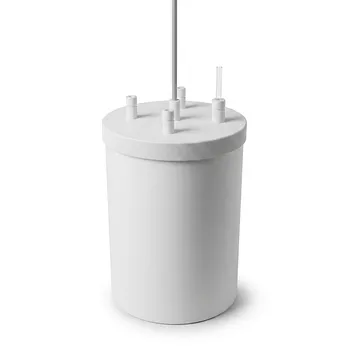
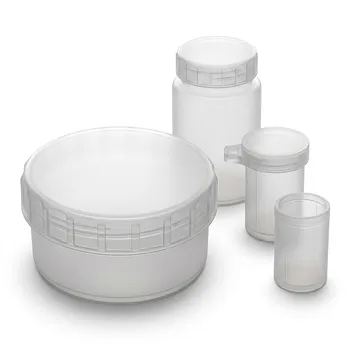
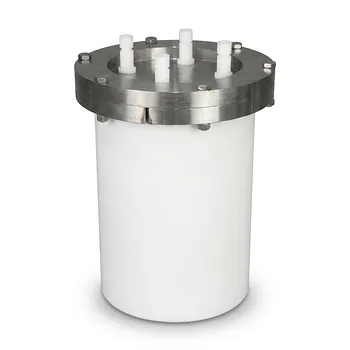
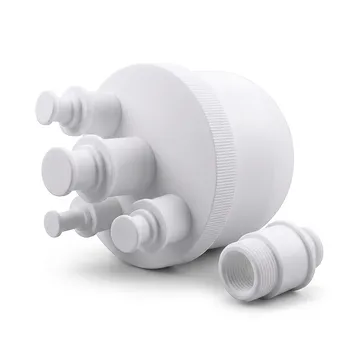
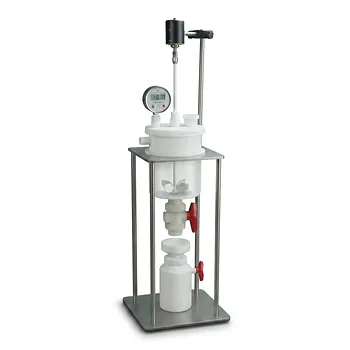
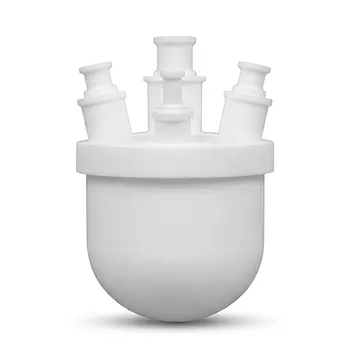
The selection of reaction vessel materials is critical for the chemical integrity and purity of PANI@XTiO3 composites. For the in-situ oxidative polymerization of polyaniline (PANI) on perovskite (XTiO3) in strong acidic mediums like 1M HCl, reaction vessels must be constructed from high-performance acid-resistant materials, specifically fluoropolymer-lined containers like PTFE (Polytetrafluoroethylene) or PFA (Perfluoroalkoxy). These materials prevent chemical corrosion and the subsequent leaching of impurities that would otherwise degrade the polyaniline coating.
To ensure the high purity and structural integrity of PANI@XTiO3 composites, reaction vessels must utilize chemically inert fluoropolymers to withstand aggressive 1M HCl environments and prevent the introduction of foreign contaminants.
The Necessity of Chemical Inertness
Resisting Strong Acidic Environments
The in-situ polymerization process for PANI@XTiO3 typically occurs in a 1M HCl environment, which is highly corrosive to standard materials. This strong acidity requires equipment that can maintain structural integrity without undergoing surface degradation during the reaction period.
Preventing Ion Leaching and Contamination
Standard laboratory glass or low-grade plastics can leach ions or organic impurities when exposed to strong mineral acids for extended periods. Utilizing acid-resistant materials ensures that the polyaniline deposited on the perovskite surface remains free from external chemical "noise," which is vital for maintaining consistent electrical and chemical properties.
Recommended Material Specifications
The Role of Fluoropolymers (PTFE and PFA)
PTFE and PFA are the industry standards for these reactions because they offer near-total chemical universal resistance. Their non-reactive nature ensures that the oxidative polymerization happens exclusively on the XTiO3 surface rather than interacting with the container walls.
Stirring Component Requirements
Material requirements extend beyond the vessel itself to include all stirring components and internal probes. Magnetic stir bars or mechanical impellers must also be encapsulated in fluoropolymers to avoid introducing metal ions into the acidic medium.
Understanding the Trade-offs
Thermal Conductivity and Temperature Control
Fluoropolymers like PTFE have lower thermal conductivity compared to glass or metal. When performing polymerization that requires precise temperature control, researchers must account for the slower thermal response time of lined vessels.
Cost and Material Maintenance
High-grade fluoropolymer-lined equipment involves a higher initial capital investment than standard borosilicate glassware. Additionally, while these materials are chemically resistant, they are softer than glass and can be prone to mechanical scratching, which may eventually harbor microscopic residue if not cleaned properly.
Implementing the Right Setup for Your Project
Recommendations for Equipment Selection
Depending on the specific scale and purity requirements of your PANI@XTiO3 synthesis, different vessel configurations may be appropriate:
- If your primary focus is maximum purity: Use solid PFA vessels and stirrers, as PFA offers superior surface smoothness and lower trace-metal extractables compared to PTFE.
- If your primary focus is cost-effective scaling: Utilize PTFE-lined stainless steel or glass reactors, which provide the necessary chemical protection at a lower cost than solid fluoropolymer builds.
- If your primary focus is thermal precision: Implement a jacketed reaction system with a thin fluoropolymer coating to balance chemical resistance with efficient heat transfer.
Selecting the correct acid-resistant materials is the foundation of achieving high-purity, high-performance polyaniline-perovskite composites.
Summary Table:
| Material Option | Key Characteristics | Best Application Case |
|---|---|---|
| PFA (Perfluoroalkoxy) | Highest purity, smoothest surface, lowest metal leaching. | High-precision research and maximum purity requirements. |
| PTFE (Teflon) | Exceptional chemical resistance, cost-effective for scaling. | Standard synthesis and high-volume production runs. |
| Fluoropolymer-Lined | Combines acid resistance with structural metal/glass strength. | Large-scale reactions requiring jacketed temperature control. |
| Stirring Bars | Must be encapsulated in PTFE/PFA. | Preventing ion leaching from magnetic cores in 1M HCl. |
Elevate Your Synthesis Purity with KINTEK Fluoropolymer Solutions
Don't let chemical leaching compromise your PANI@XTiO3 composites. At KINTEK, we specialize in high-performance fluoropolymer labware designed specifically for aggressive acidic environments. Whether you need standard labware—such as beakers, measuring cylinders, crucibles, and reagent bottles—or advanced components like custom electrochemical cells, hydrothermal synthesis liners, and microwave digestion vessels, we have the expertise to support your research.
From everyday consumables like stirring bars and O-rings to complex bespoke laboratory setups crafted via end-to-end custom CNC fabrication, KINTEK delivers unmatched precision in PTFE and PFA.
Ready to optimize your reaction setup? Contact our fluoropolymer experts today to discuss your custom project requirements and ensure the absolute chemical integrity of your materials.
References
- Mariyem Abouri, Adnane El Hamidi. Enhanced photocatalytic degradation of Rhodamine B using polyaniline-coated XTiO3(X = Co, Ni) nanocomposites. DOI: 10.1038/s41598-024-83610-1
This article is also based on technical information from Kintek Knowledge Base .
Related Products
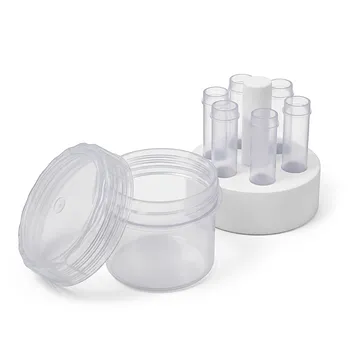
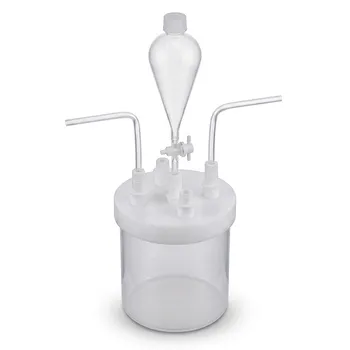
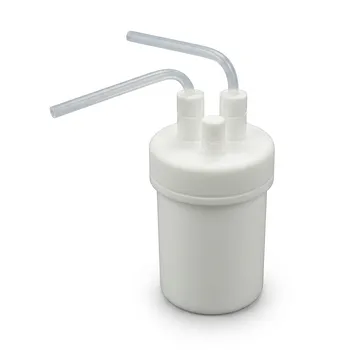
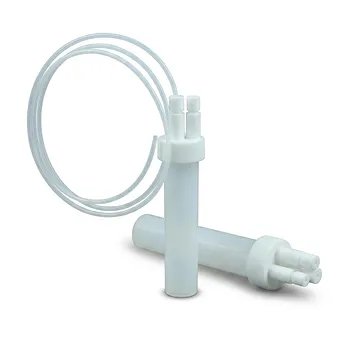
- High Purity Corrosion Resistant PFA Reaction Vessel with PTFE Holder and Integrated Sampling Tube for Trace Analysis
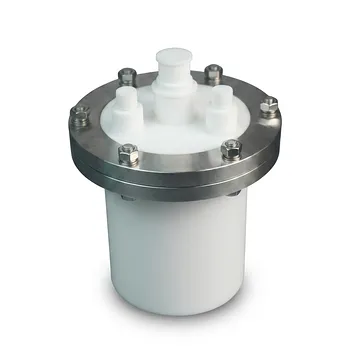
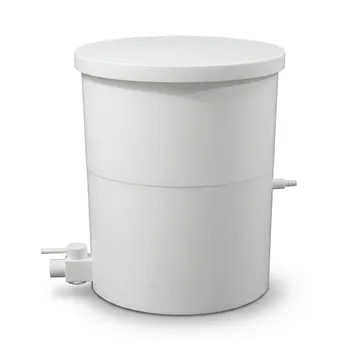
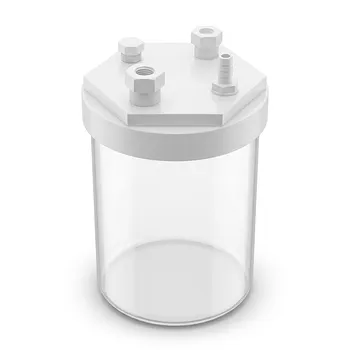
- Custom PTFE Reaction Kettle 2L Flanged Fluoropolymer Reactor Tank Acid and Alkali Resistant Polytetrafluoroethylene Vessel
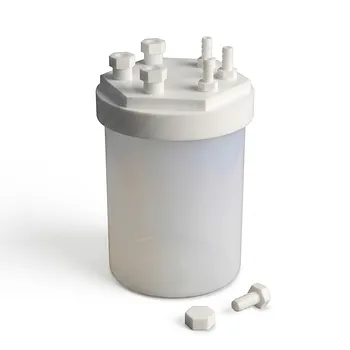
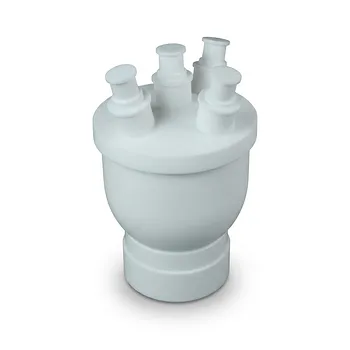
- PFA Chemical Reaction Tank with Customizable Fittings for Corrosive Solvent Synthesis and High Purity Lab Applications
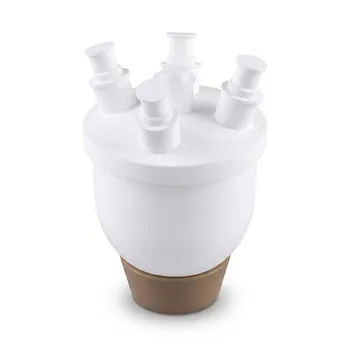
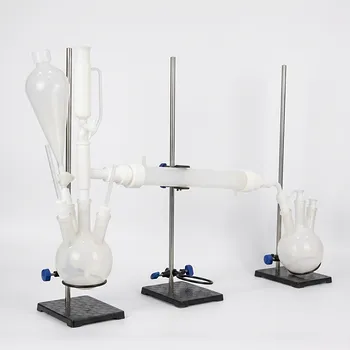
- High Performance Customizable PTFE Reaction Vessel and Corrosion Resistant Polytetrafluoroethylene Flask for Chemical Laboratory Use
- High Purity PFA Reaction Vessel for Biopharmaceutical Synthesis and Corrosive Chemical Fluid Handling with Customizable Tube Fittings
People Also Ask
- Why is the choice of reaction vessel material critical during B-NiBDC synthesis? Optimize MOF Purity & Performance
- How do the material choice and sealing integrity of the reaction vessel affect the growth of NiFe-LDH? Optimize Synthesis
- Why are well-sealed reaction vessels necessary for superacid-promoted Friedel-Crafts polycondensation? Optimize Synthesis
- Role of reaction vessels in alkali treatment for oil palm waste: Achieve High-Purity Cellulose with PTFE Vessels
- What is the role of high chemical inertness reaction vessels in the organic synthesis of acylhydrazone ligands? | Guide