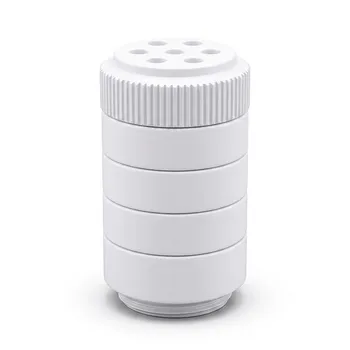
PTFE and PPL linings serve as the critical barrier in hydrothermal synthesis, yet they differ fundamentally in their thermal limits and structural rigidity. PTFE is the industry standard for applications up to 200°C due to its universal chemical resistance, while PPL is engineered for high-temperature environments reaching 260°C to 280°C where standard polymers would fail or deform.
While both materials offer essential corrosion protection and chemical purity, the choice between them is dictated by your operating temperature: PTFE provides unmatched non-stick properties for standard reactions, whereas PPL offers the thermal stability and mechanical strength required for extreme high-heat synthesis.
Thermal Performance and Operating Limits
PTFE: The 200°C Industry Standard
Polytetrafluoroethylene (PTFE) is the primary choice for most hydrothermal applications. Its molecular structure, defined by incredibly strong carbon-fluorine bonds, allows it to remain stable and chemically inert up to a maximum operating temperature of 200°C.
PPL: Engineered for Extreme Heat
Polyphenylene polymer (PPL) is specifically designed to bridge the gap between standard polymers and high-temperature requirements. It maintains its integrity in a much higher range, generally between 260°C and 280°C, making it the only viable choice for high-pressure synthesis exceeding the limits of PTFE.
Structural Rigidity and Mechanical Integrity
PPL’s Resistance to Deformation
Beyond its thermal range, PPL is valued for its superior structural rigidity. In high-pressure environments, PPL is significantly more resistant to physical deformation than PTFE, ensuring the lining maintains its shape and seal under stress.
PTFE’s Surface Properties
While less rigid at high temperatures, PTFE offers exceptional non-stick properties. This makes it much easier to recover synthesized materials and clean the liner between experiments, provided the temperature remains within its safe operating window.
Protecting Reactor Integrity and Sample Purity
Prevention of Metal Ion Leaching
Both liners act as a critical shield between the reaction liquid and the stainless steel reactor body. By providing corrosion resistance, they prevent metal ions from leaching into the sample, which is vital for maintaining the purity of the hydrochar or functional groups on the material's surface.
Maintaining Chemical Inertness
The high purity of both PTFE and PPL ensures that the liner does not participate in the reaction. This chemical inertness is what allows researchers to achieve consistent, repeatable results without contamination from the vessel itself.
Understanding the Trade-offs
Temperature Sensitivity and Failure
Exceeding the rated temperature of a liner is the most common cause of failure. If PTFE is pushed beyond 200°C, it can soften significantly or release toxic fumes; conversely, using PPL for low-temperature tasks may be an unnecessary expense, as it is generally more costly than standard PTFE.
Material Recovery Challenges
While PPL offers higher heat resistance, its surface may not always be as "slick" as PTFE. Users must balance the need for high-temperature stability against the potential difficulty of removing specialized or sticky precipitates from the liner walls.
Selecting the Right Liner for Your Research
Choosing the correct material depends entirely on your reaction's thermal profile and the sensitivity of your synthesis process.
- If your primary focus is standard hydrothermal synthesis below 200°C: PTFE is the most cost-effective and chemically reliable choice, offering easy cleaning and universal inertness.
- If your primary focus is high-temperature synthesis between 200°C and 280°C: PPL is the required material to ensure structural integrity and safety under extreme heat and pressure.
- If your primary focus is maintaining high chemical purity and preventing metal contamination: Both materials are suitable, provided you select the one that matches your specific temperature requirements.
Selecting the appropriate liner ensures not only the purity of your experimental results but also the longevity and safety of your high-pressure reactor hardware.
Summary Table:
| Feature | PTFE Lining | PPL Lining |
|---|---|---|
| Max Temperature | Up to 200°C | 260°C to 280°C |
| Structural Rigidity | Moderate (softer at high heat) | High (resists deformation) |
| Surface Property | Exceptional non-stick | Good (less slick than PTFE) |
| Chemical Inertness | Universal resistance | High purity/stability |
| Primary Application | Standard hydrothermal synthesis | High-temperature/High-pressure |
| Cost Efficiency | More cost-effective | Higher specialized investment |
Elevate Your Research with KINTEK Precision Fluoropolymer Labware
Maximize your laboratory's potential with high-performance materials tailored for extreme environments. KINTEK specializes in manufacturing virtually all imaginable laboratory supplies crafted from high-grade PTFE and PPL. From everyday essentials like beakers, crucibles, and reagent bottles to advanced fluid transfer components (tubing, valves) and sample prep tools (filters, pipettes, tweezers), we ensure absolute chemical purity and thermal stability.
Looking for more than standard supplies? Our end-to-end custom CNC fabrication allows us to deliver complex non-standard parts, bespoke laboratory setups, and advanced reaction apparatus—including electrochemical cells, microwave digestion vessels, and microchannel reactors. Whether you need high-volume consumables or a one-of-a-kind reactor liner, KINTEK provides the expertise and high-performance fluoropolymers your research demands.
Ready to optimize your synthesis workflow? Contact our technical experts today to discuss your custom requirements!
Related Products
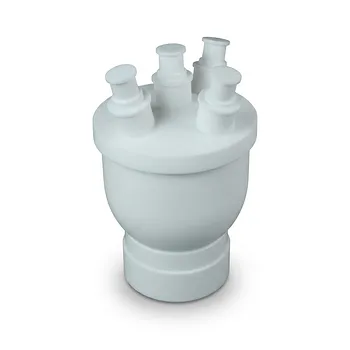
- Customizable Polytetrafluoroethylene PTFE Reactor and Corrosion Resistant Teflon Flask
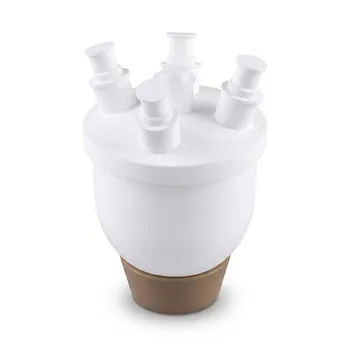
- High Performance Customizable PTFE Reaction Vessel and Corrosion Resistant Polytetrafluoroethylene Flask for Chemical Laboratory Use
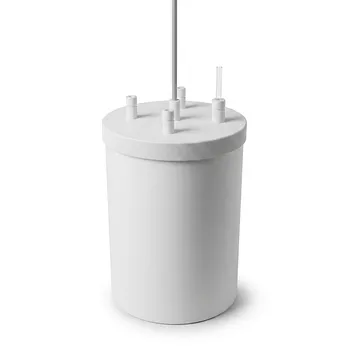
- High Purity PTFE Reaction Vessel Polyfluortetraethylene Cylindrical Tank Petrochemical Reaction Container
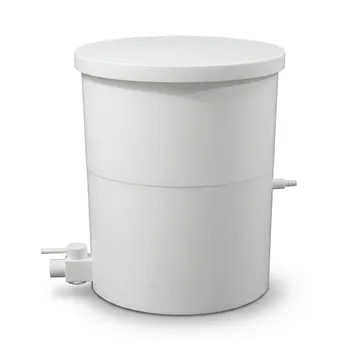
- Large Scale PTFE Double Layer Reaction Tank with Integrated Filter Plate High Purity Polytetrafluoroethylene Chemical Vessel 25L
- Corrosion Resistant PTFE Support with PFA Transparent Reaction Tank and High Purity PFA Sampling Tube for Trace Analysis
People Also Ask
- Why are PP or PTFE reactors preferred over glass in tribocatalysis? Maximize Charge Separation & Catalytic Efficiency
- What functional advantages do PTFE reactors provide over glass? Achieve Superior Purity and Safety in Synthesis
- What are the primary fabrication methods for capillary-based and monolithic PTFE reactors? Expert Production Insights
- Why are PTFE or PFA reaction vessels required for the selective etching process of MXene using hydrofluoric acid (HF)?
- Why is a Teflon-lined (PTFE) reactor vessel required for the hydrothermal synthesis of V2O5 and SnO2 nanomaterials?